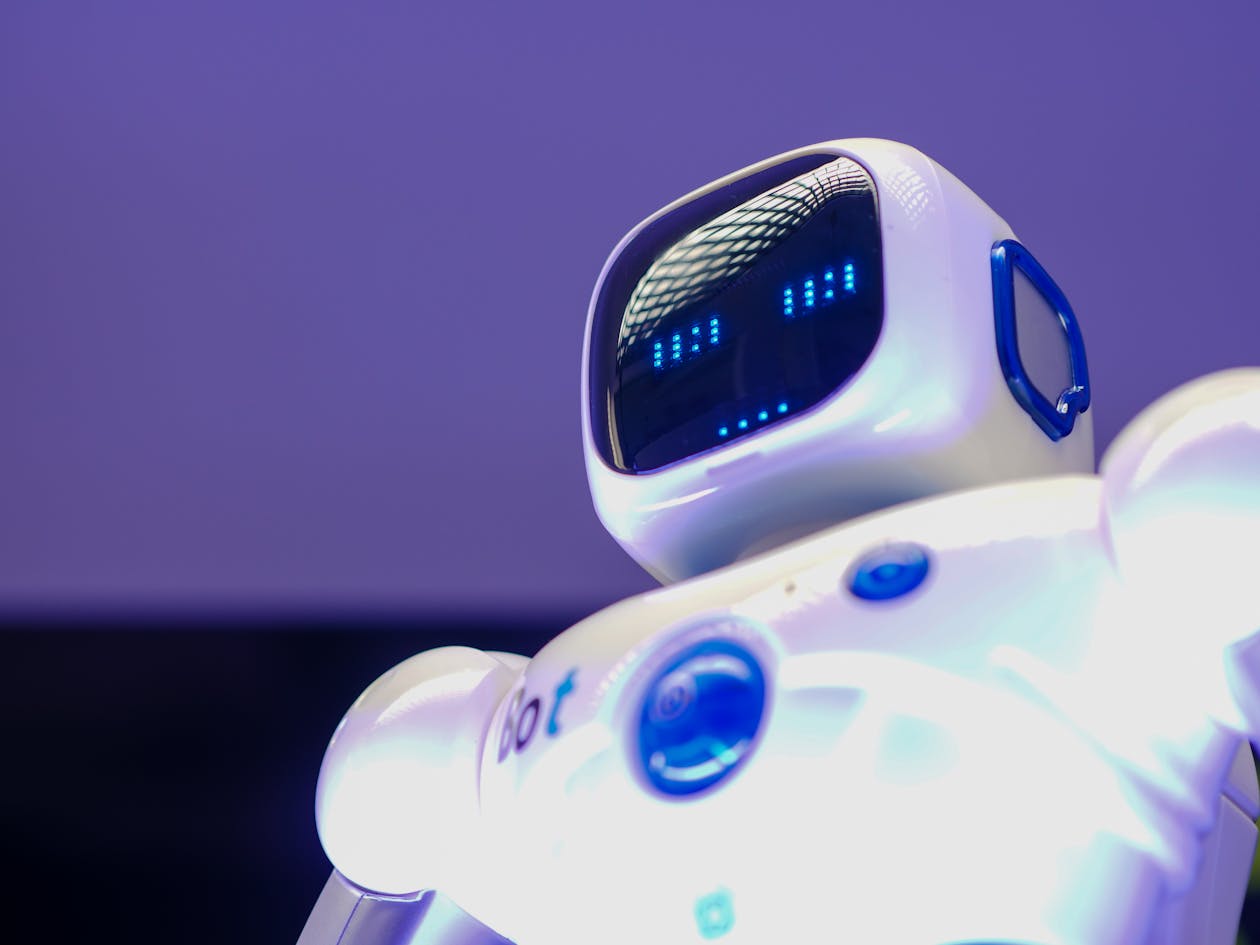
AI education moved from theory to practice this week. Universities are launching AI courses, schools are training teachers, and students are already building projects that attract national attention. The gap between AI capability and AI literacy is narrowing — at least in some places.
1
Ohio State Expands AI Literacy to Central Ohio Schools
March 17, 2026 | Source: EdTech Innovation Hub
Ohio State University partnered with central Ohio school districts to expand AI literacy programs. The initiative brings AI concepts and tools into K-12 classrooms, focusing on practical understanding rather than just theory.
The program targets teachers first — training them to use AI tools and understand the concepts before bringing it to students. It’s a recognition that AI literacy can’t be taught by educators who don’t understand it themselves.
The Honest Take
Starting with teachers is the right move. Too many AI-in-education initiatives skip the instructor training and go straight to students. But AI changes faster than curriculum — if teachers aren’t comfortable with the tools, they can’t adapt. The question is whether universities can scale this faster than AI changes the job market.
2
aiEDU’s Trailblazer Fellowship Trains 150 Educators
March 6, 2026 | Source: aiEDU
aiEDU launched its Spring 2026 Trailblazer Fellowship with 150 educators across 35 states. The 12-week professional learning program focuses on AI literacy for high school classrooms.
- 150 educators from 140 schools
- 35 states represented
- 12-week program with hands-on AI curriculum
- Focus: Practical AI tools, ethical considerations, classroom integration
The Fellowship provides educators with curriculum resources, community support, and direct experience with AI tools they can bring back to their students.
The Honest Take
150 educators across 35 states is significant scale — but it’s still a drop in the ocean of US education. The real test will be whether these educators can train others, creating a multiplier effect. Professional development that stops at the first layer doesn’t scale.
3
Dartmouth Launches New AI Courses Across Campus
March 2026 | Source: Dartmouth News
Dartmouth announced new AI courses spanning multiple departments — not just computer science, but business, medicine, and humanities. The courses bridge technical understanding and human wisdom, recognizing that AI affects every field.
Students at Tuck School of Business participated in “vibe coding” sessions — hands-on AI development workshops that prioritize practical application over theory.
The Honest Take
Dartmouth’s cross-disciplinary approach is where AI education needs to go. AI isn’t just for programmers — it’s for doctors, lawyers, writers, and business leaders. The “vibe coding” name is silly, but the hands-on approach matters. Students need to use AI, not just study it.
4
Students’ AI Reading Project Draws National Interest
March 10, 2026 | Source: Coshocton Tribune
Ridgewood High School students in Ohio created an AI-powered reading program that attracted national attention. The project, developed in class, helps students improve reading comprehension through AI-assisted feedback.
Students presented their project to government officials and tech companies — demonstrating that AI education can produce tangible results, not just theoretical understanding.
The Honest Take
This is the gold standard for AI education: students building something useful. Not just learning about AI, but applying it. The fact that it drew national interest suggests there’s demand for student-led AI projects — and that schools should encourage building, not just studying.
What This Means for Education
AI literacy is moving from “should we teach this?” to “how do we teach this at scale?” Universities are creating courses, schools are training teachers, and students are building projects. The infrastructure for AI education is being built.
The gap that remains: These initiatives reach thousands of students. AI affects billions. The education system is adapting, but the question is whether it can adapt fast enough to keep pace with AI’s job market impact.
Share this article
Share this article