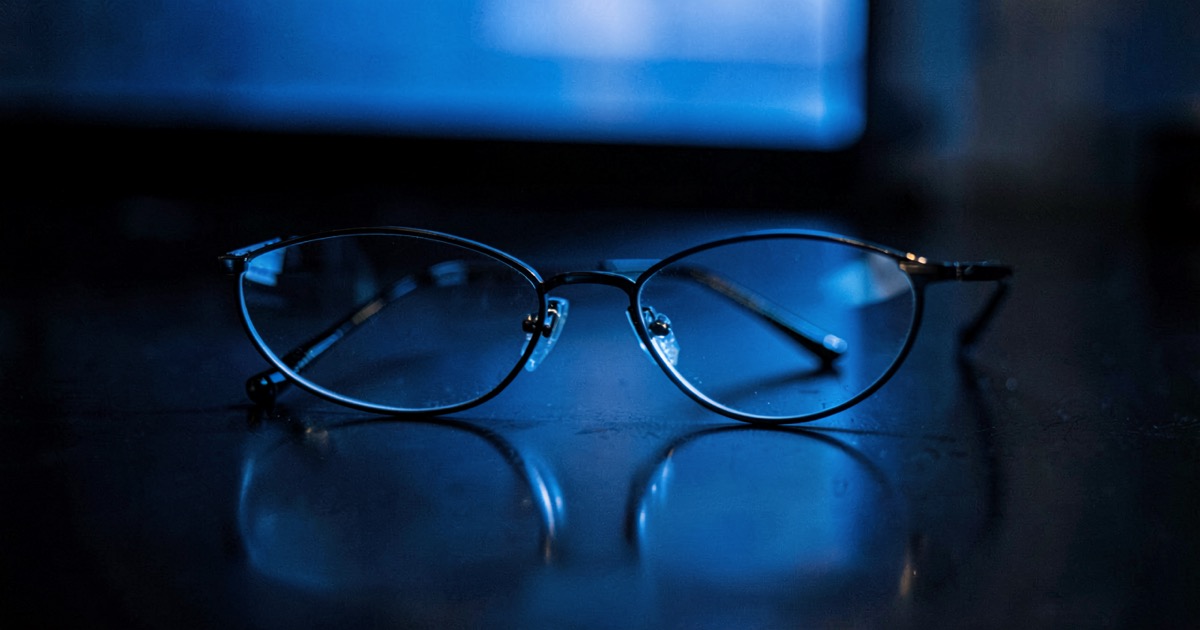
AI smart glasses are turning up in high-stakes exam rooms across East Asia — and the institutions running those exams have no reliable way to stop them. South Korea has logged its first documented cases on English proficiency tests. Taiwanese proctors caught a medical school candidate by the heat signature off his frame. China is now physically screening every pair of spectacles handed to its 13 million college entrance examinees. This isn’t a story about a few clever students. It’s what an unregulated wearable AI market looks like when it crashes into a paper-based assessment.
🔍 THE BOTTOM LINE
Cheap wearable AI has broken the implicit contract that lets high-stakes testing work: that the person answering questions is doing their own thinking. Once a US$200 pair of glasses can stream exam questions to a chatbot in under a second and pipe answers back through a bone-conduction speaker, every assumption proctoring was built on — controlled room, no devices, invigilator scrutiny — needs to be re-examined. Institutions that don’t redesign the test will be redesigning it under pressure.
What Actually Happened
The pattern is regional, not anecdotal:
- South Korea. Two cases in the last month of students using smart glasses during English proficiency tests. The education ministry confirmed the incidents in early June and is reviewing device policy.
- Taiwan. Proctors at a medical school entrance exam noticed abnormal heat radiating from one student’s glasses — the giveaway that the frame was running an active AI model. The student was disqualified.
- China. For the gaokao — the national college entrance exam taken by roughly 13 million students — authorities now physically screen every pair of spectacles before candidates sit down. Metal-detector walks for eyewear are now standard.RNZ’s coverage frames the region as “ground zero” for exactly this reason: high-stakes, high-pressure testing cultures are getting hit first by a technology that is, by design, invisible to the room.
The Surveillance Endgame Was Already Here
The most uncomfortable detail isn’t that students are cheating — it’s what the cheating device already contains. A separate security audit of Meta’s Stella companion app, documented on Meta, found a complete on-device facial recognition pipeline shipped dormant on millions of pairs of Meta Ray-Bans. Face detection, alignment, a 2048-dimension biometric embedding, and a local vector index — all wired together, all functional, just gated off.
The same hardware a student wears into a test could, with a software update, identify invigilators, record every face in the room, and stream it off-device. Cheating on the exam is the obvious failure mode. The harder failure is that the hardware is now a permanent surveillance platform the user doesn’t control.
A Pattern, Not a Series of Incidents
England’s exam watchdog, Ofqual, has specifically warned that AI-enabled earbuds pose a parallel threat — audio-based cheating that bypasses the same visual controls being layered onto glasses. CNN’s reporting on the East Asian cases draws the line through to the UK and US: this is a global race between consumer electronics and institutional rules, and the institutions are losing.
Three things make this wave different from the old calculator-and-phone era:
- Cost. US$150–300 buys a usable AI-glasses setup.
- Plausibility. The glasses look normal. No one confiscates eyewear.
- Latency. Round-trip from question to LLM answer is now under two seconds on the better devices. Faster than a human invigilator notices hesitation.
What New Zealand’s System Would Face
NZ doesn’t run anything like the gaokao. NCEA is course-based, sprawled over the year, and largely school-internal. That makes a single coordinated cheat ring harder — but a long, low-grade cheating problem easier. If a student can wear AI glasses through a year of internal assessments, the contamination isn’t a single exam. It’s the entire credential.
This connects to research on Students Who Use AI to Study Remember Less — And They Don: when the tool doing the work is also the tool doing the cheating, the line between “study aid” and “assessment fraud” dissolves.
The conversation surfaced by 250+ Experts Demand a 5-Year AI Moratorium in Schools points at this directly: the gap between what schools are equipped to assess and what students can now outsource.
The Hard Trade-Off Nobody Wants to Discuss
There’s a legitimate accessibility case for these devices: real-time captioning, translation, navigation. Banning wearables outright throws that out.
The honest policy answer is context-specific rules: declared devices, registered AI features, signal-suppressed rooms, and assessments designed so that an AI assistant is the wrong tool. Oral defences, applied problem-solving with an examiner present, and portfolio work defended in person all do this. None easy to scale. All cheaper than a credential nobody trusts.
❓ FAQ
Q: How are students actually getting answers into their ears without being spotted? A: Most current AI glasses pair with a phone over Bluetooth. The phone runs the chatbot; the glasses have a near-invisible bone-conduction speaker. Proctors hear nothing. The Taiwan case was caught only because the heavy AI model made the frame overheat.
Q: Is this really a New Zealand problem, or just a high-pressure Asian testing problem? A: The device is the same everywhere. The risk in NZ is lower for one-off high-stakes exams (we don’t have a gaokao) but higher for ongoing internal assessment, where low-grade, hard-to-detect cheating can run for months.
Q: Won’t metal detectors and signal jammers just fix this? A: Signal jamming is illegal in NZ under the Radiocommunications Act without a licence, and metal detectors don’t catch glasses with no metal components. Both treat the symptom. The structural fix is changing what’s being assessed.
Q: Could AI glasses actually help students cheat less over time, by giving everyone equal access? A: The optimistic read. The realistic read: any tool that lowers the cost of cheating faster than it lowers the cost of learning widens the gap between credentials that mean something and credentials that don’t.
🔍 THE BOTTOM LINE
The exam cheating cases in South Korea, Taiwan, and China aren’t a gadget problem — they’re an assessment problem. When a $200 pair of glasses can outperform a year of study in two seconds, the exam itself is what’s broken. The institutions that redesign assessment for the wearable AI era will preserve credential value. The ones that add more metal detectors won’t.