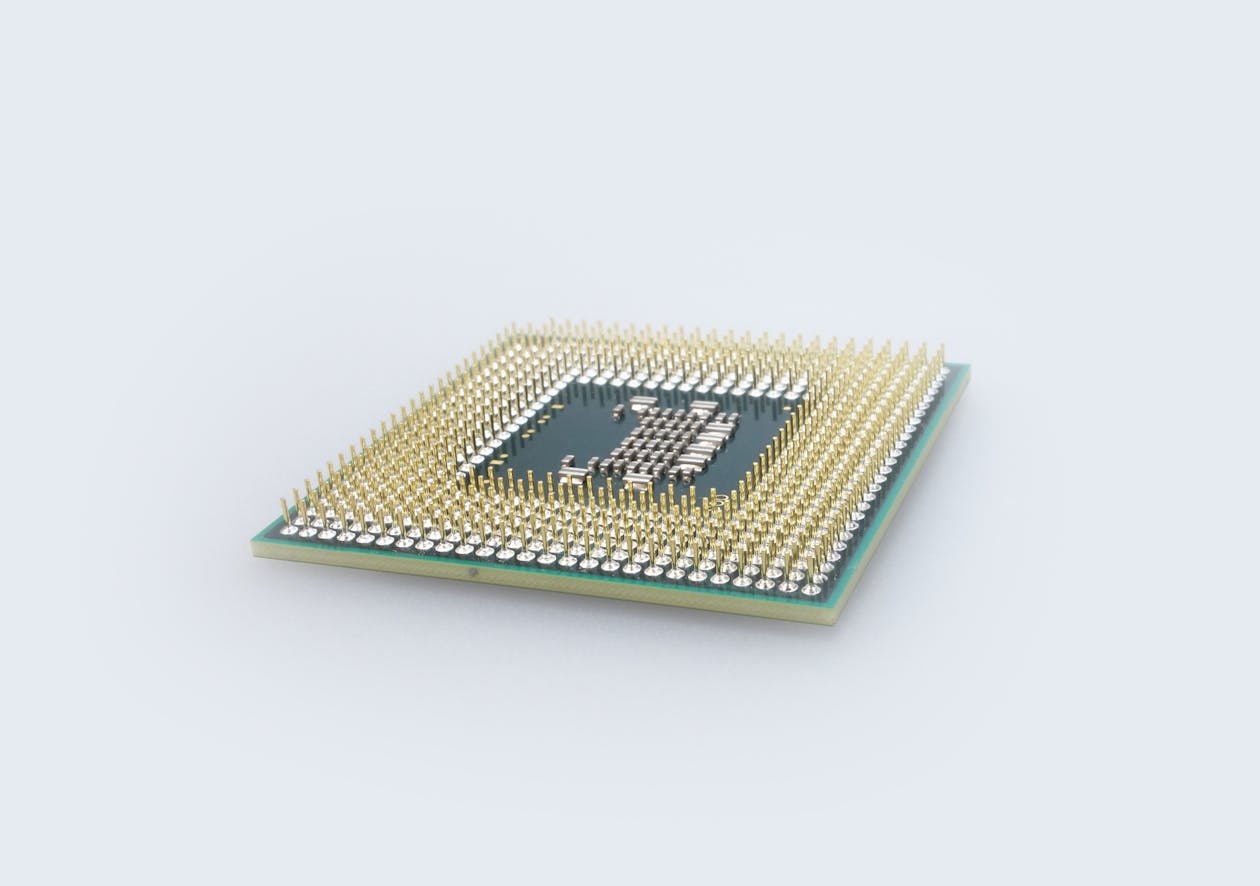
On March 24, 2026, Arm announced its first-ever silicon product: a 136-core CPU designed specifically for AI agents. They’re calling it the AGI CPU, and it’s the first processor built for agentic workloads.
WHAT IS THE AGI CPU?
The Arm AGI CPU is a production-ready processor built on the Neoverse platform, optimized for:
- Agent orchestration: Coordinating thousands of AI agents running simultaneously
- Accelerator management: Managing GPUs, NPUs, and other AI accelerators
- Low-latency decisions: Agents need to act fast — the CPU is optimized for response time
- Memory efficiency: 136 cores need efficient memory access patterns
This isn’t a GPU. This isn’t an NPU. This is a CPU designed specifically for the orchestration layer — the code that manages AI agents and routes their requests.
WHY A CPU FOR AGENTS?
Current AI infrastructure was built for one thing: model inference. You load a model, you run inference, you get output.
Agentic AI is different:
- Agents don’t just run models — they coordinate multiple models
- Agents don’t just respond — they plan, execute, and iterate
- Agents don’t work alone — they collaborate with other agents
This orchestration — the coordination layer — happens on the CPU. And current CPUs weren’t designed for thousands of agents running simultaneously.
THE SPECS
| Specification | AGI CPU |
| Cores | 136 |
| Platform | Arm Neoverse |
| Target | Data center, cloud |
| Workload | Agentic AI orchestration |
| Availability | Production-ready |
WHY THIS MATTERS
The AI industry has spent the last three years building GPUs for model inference. Now Arm is building CPUs for what happens between models.
This signals a shift:
-
Phase 1: Model-centric (GPUs, NPUs for inference)
-
Phase 2: Agent-centric (CPUs for orchestration)
Arm expects “billions in annual revenue” from this product line. That’s not a side project. That’s a bet that agentic AI will be a significant portion of compute demand.
ARM’S FIRST SILICON
This is also notable because Arm has never produced its own silicon before. The company designs architectures and licenses them to manufacturers like Apple, Qualcomm, and Samsung.
With the AGI CPU, Arm is building and selling the chip directly. They’re becoming a silicon company, not just an architecture company.
THE COMPETITIVE LANDSCAPE
Arm isn’t alone in rethinking hardware for AI:
- Nvidia: GPU-dominant, building agent orchestration into CUDA
- Intel: Xeon with AI accelerators, but not agent-specific
- AMD: EPYC with AI extensions, same limitation
- Custom silicon: OpenAI’s Titan, Google’s TPU, Amazon’s Trainium
Arm’s AGI CPU is the first specifically designed for the coordination layer. That’s a new category.
WHAT THIS MEANS FOR YOU
If you’re building AI agents: the hardware is catching up to your software. Orchestration will get faster, cheaper, and more efficient.
If you’re running infrastructure: the CPU layer is being rebuilt. The servers of 2027 will look different from the servers of 2024.
If you’re watching the AI industry: this is another signal that agentic AI is the next phase. The hardware companies are betting on it.
THE HONEST TAKE
“AGI” in the name is marketing. This CPU doesn’t create AGI. But it is designed for the workloads that agentic AI requires — coordination, orchestration, and low-latency decision-making.
What’s significant is the signal: the hardware layer is being rebuilt. Not just for models. For agents.
First came GPUs for inference. Now comes CPUs for orchestration. The infrastructure is adapting to what AI actually does — not just respond, but act.