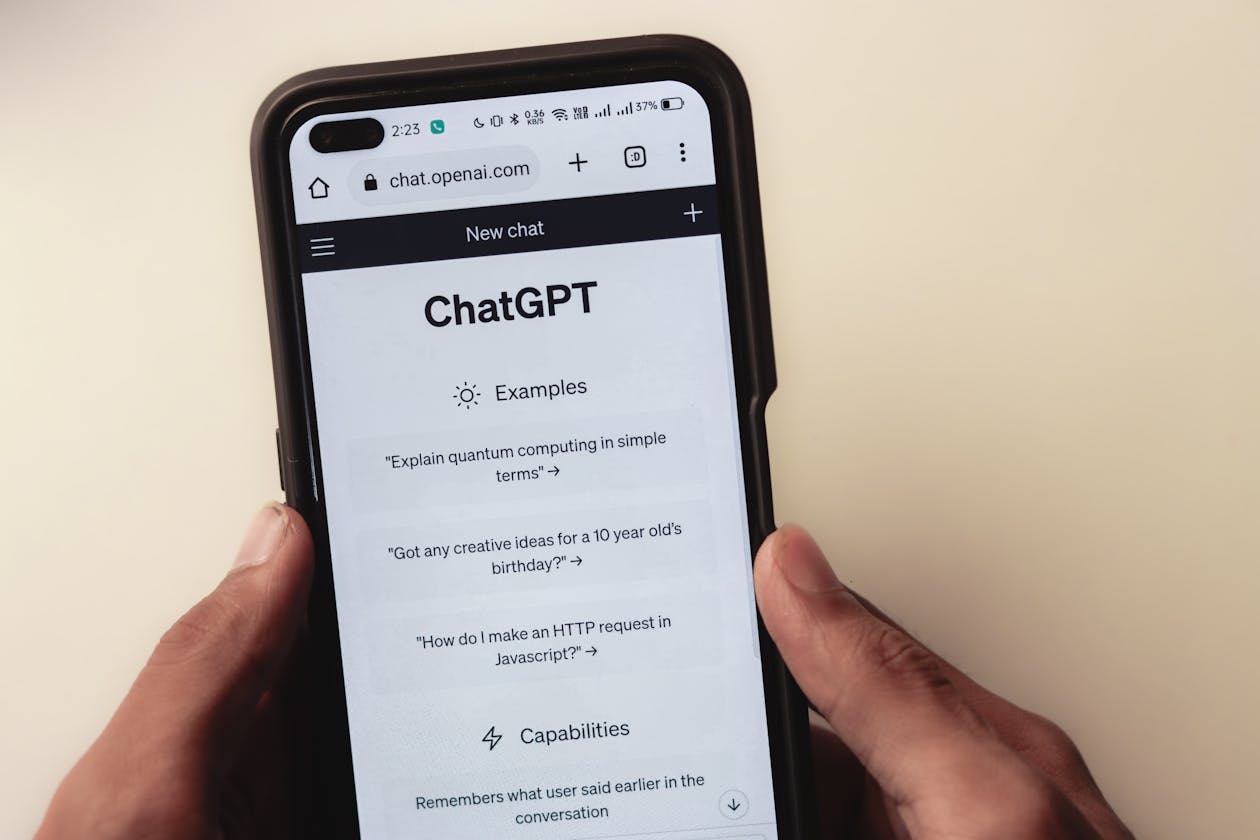
Daily News: March 21, 2026
In an exclusive interview, OpenAI chief scientist Jakub Pachocki revealed the company’s new “North Star”: building AI systems capable of conducting autonomous research. The plan involves creating an “AI research intern” by September that can handle multi-day tasks independently, followed by a full multi-agent research system by 2028.
- Codex foundation: OpenAI claims most technical staff now use Codex for daily work, viewing it as an early prototype of the AI researcher concept
- Chain-of-thought monitoring: The company is developing safety systems that watch AI “scratch pads” to catch unwanted behavior before problems occur
- Scientific focus: Initial targets include math and physics proofs, biology and chemistry problems, and business dilemmas
- Sandbox approach: Pachocki recommends deploying powerful models in isolated environments cut off from anything they could break or misuse
“I think we are getting close to a point where we’ll have models capable of working indefinitely in a coherent way just like people do. But I think we will get to a point where you kind of have a whole research lab in a data center.” — Jakub Pachocki, OpenAI Chief Scientist
The Honest Take
OpenAI’s vision is simultaneously ambitious and unnerving. Building systems that can “work indefinitely” raises fundamental questions about control and oversight. Pachocki’s acknowledgment that “it’s going to be a very weird thing” with “extremely concentrated power” is refreshing—but also underscores why society needs stronger governance frameworks now, not after these systems arrive.
2
OpenAI Plans Desktop “Superapp”
March 20, 2026 | The Verge
In a parallel move toward consolidation, OpenAI is merging ChatGPT, Codex, and its Atlas browser into a single desktop application. Fidji Simo, CEO of Applications, cited fragmentation as a barrier to quality.
- Unified experience: The merger aims to simplify OpenAI’s scattered product lineup into one cohesive tool
- Avoiding “side quests”: Simo told employees to avoid distractions and focus on what’s working, like Codex
- Mobile unchanged: The ChatGPT mobile app will continue as-is
- Competitive pressure: The move comes as Anthropic’s Claude Code gains momentum
The Honest Take
Consolidation makes business sense—scattered products confuse users and dilute engineering focus. But wrapping everything into one superapp also locks users deeper into OpenAI’s ecosystem at a time when questions about AI concentration of power are intensifying.
3
Microsoft & NVIDIA Scale Agentic AI
March 20, 2026 | AI Magazine
Microsoft and NVIDIA announced a partnership to scale enterprise AI agents using Microsoft Foundry, Azure infrastructure, and physical AI systems. The collaboration focuses on autonomous agents that can manage long-running tasks across multiple channels.
- Enterprise focus: The partnership targets business-scale deployment of AI agents
- Infrastructure backbone: Azure AI combined with NVIDIA’s hardware acceleration
- Long-running tasks: New capabilities for agents that operate over extended periods
4
NVIDIA Expands Open AI Models
March 20, 2026 | Engineering.com
NVIDIA has expanded its open AI models for agents, robotics, and science. The new models are designed to help developers and scientists build intelligent systems that can operate in physical and digital environments.
- Agent development: New toolkits for building autonomous AI systems
- Robotics integration: Isaac GR00T N1 foundation model for humanoid robots
- Scientific applications: Models optimized for research workflows
What This Means for News Readers
Speed is accelerating. OpenAI’s autonomous research timeline—intern by September, full system by 2028—suggests the pace of AI capability development will keep quickening. Scientific breakthroughs that once took years could happen in months or weeks.
Consolidation continues. Both OpenAI’s superapp plan and Microsoft-NVIDIA’s partnership point toward fewer, more integrated AI platforms. This raises questions about competition, lock-in, and who controls the infrastructure of intelligence.
Safety discussions are lagging. Pachocki’s honest assessment of the risks deserves attention. But building guardrails after systems are deployed—rather than before—has been the industry pattern. The time for governance frameworks is now.
Share this article