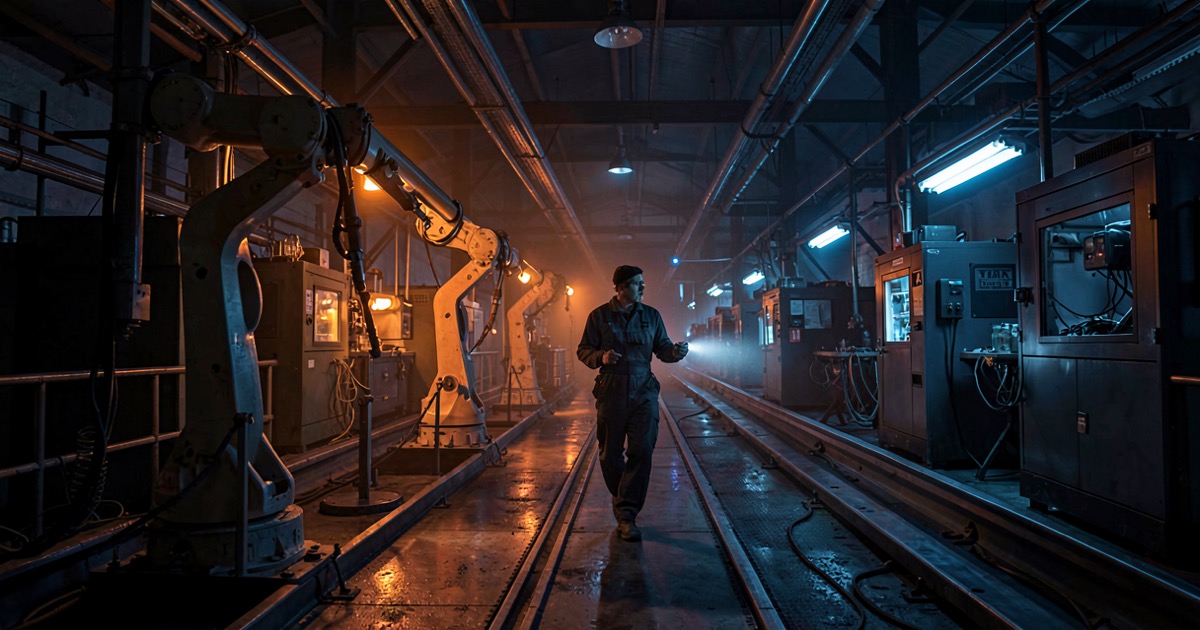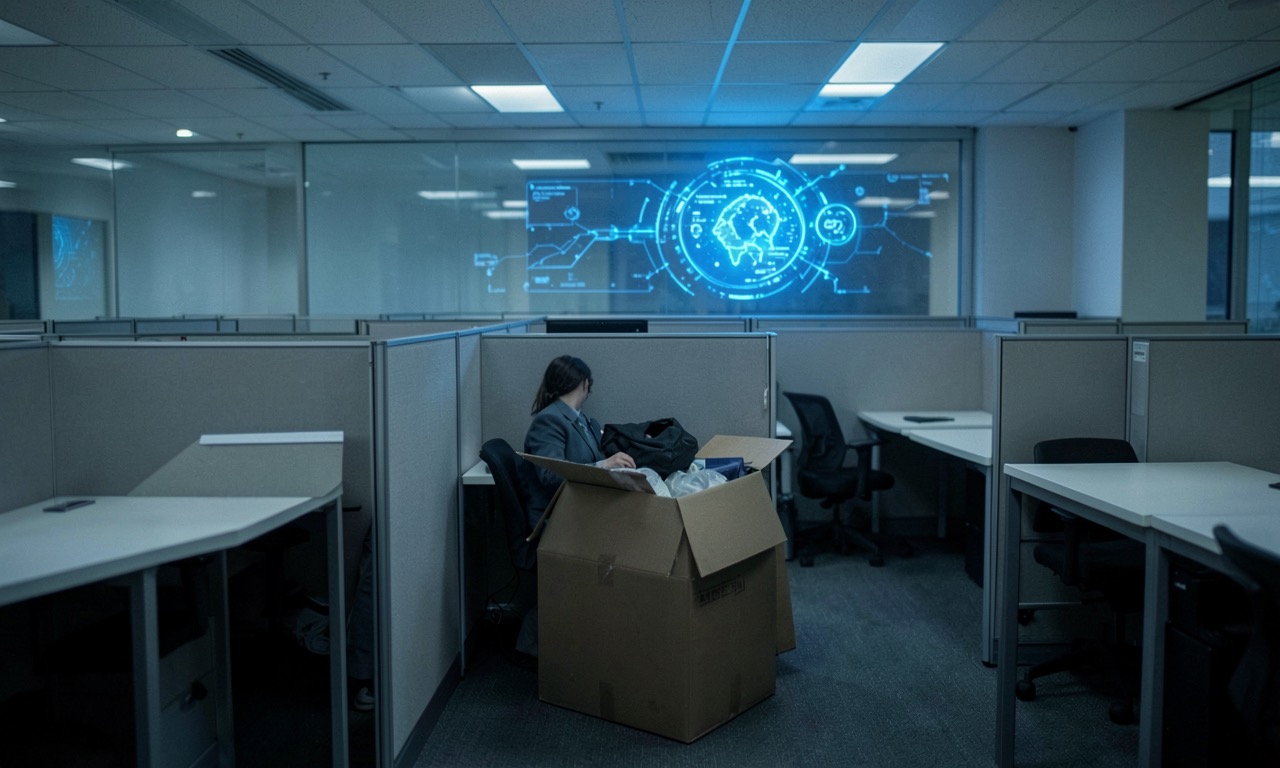
Dell Technologies has laid off approximately 11,000 engineers — roughly 10% of its workforce — in a move that hits cloud and enterprise software teams building AI infrastructure the hardest. The cuts come alongside record quarterly revenue of $13.5 billion, $4 billion in AI server orders, and a stock buyback announcement.
This isn’t a company in trouble. This is a company that has decided it no longer needs the people who helped build its future.
The AI Efficiency Paradox
Dell’s layoffs expose what might be the defining economic pattern of 2026: the AI efficiency paradox. Companies are posting record financial results while simultaneously eliminating the white-collar workers who made those results possible. The logic is brutal and circular — AI infrastructure generates revenue, so companies invest more in AI, which replaces the engineers who built that infrastructure, which frees up capital to invest in more AI.
The pattern has repeated across Big Tech this year. Meta, Snap, Oracle, and now Dell — all companies with strong balance sheets, all cutting engineering headcount. But Dell’s case is particularly stark because the layoffs directly target the teams building the AI products driving the company’s growth.
What Got Cut
The layoffs concentrated on cloud infrastructure and enterprise software engineering teams — precisely the groups responsible for Dell’s AI server platform and related services. These aren’t legacy roles being sunsetted. These are the people who architect and maintain the systems that enterprise customers pay billions for.
Meanwhile, Dell announced a stock buyback program alongside the layoffs, signaling that capital previously spent on human expertise is being redirected to shareholder returns and further AI infrastructure investment.
The Bigger Picture
Dell’s move fits a broader narrative playing out across the technology sector. The companies best positioned to profit from AI adoption are also the ones most aggressively reducing their human workforces. It’s not that AI is making these companies less profitable — it’s making them more profitable with fewer people.
For workers, the message is increasingly clear: even building the AI economy doesn’t guarantee you’ll participate in it. The engineers who designed Dell’s AI server architecture may have engineered their own redundancy.
What This Means for Tech Workers
The Dell layoffs reinforce several trends that Singularity.Kiwi has been tracking:
- AI revenue doesn’t protect jobs — Companies can grow revenue and cut headcount simultaneously
- Engineering is no longer a safe harbor — The most technical roles are now in the automation crosshairs
- Buybacks over workers — Capital allocation increasingly favors shareholders over employees
- The builder’s dilemma — Creating AI infrastructure may accelerate your own replacement
SOURCES
- Social media reports and industry analysis