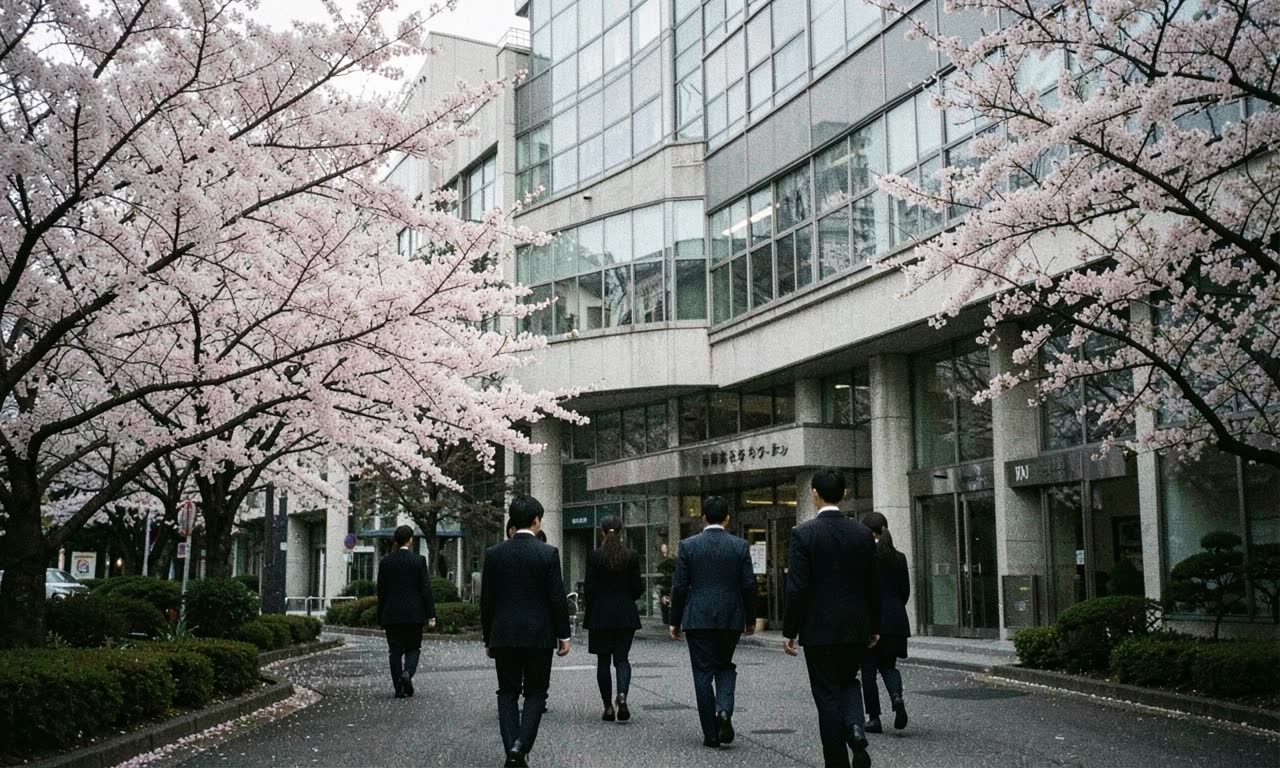
Japan built its post-war economy on a compact: graduate, join a company, stay for life. That social contract is now fraying at the entry point. More Japanese companies plan to cut new graduate hires for fiscal year 2027, and they’re pointing directly at AI as the reason.
According to Japan Today, the trend reflects accelerating AI adoption across Japanese industries — not just the tech sector. Companies that once ran extensive graduate recruitment programmes are concluding that AI can handle the work traditionally assigned to fresh hires: data processing, report writing, customer correspondence, basic analysis.
Why This Is Different
Japan’s employment culture makes this shift more significant than similar trends in the US or Europe. Three things set it apart:
Lifetime employment norms. Japan’s shūshin koyō tradition meant graduate hires were long-term investments. Companies trained new employees over years, expecting loyalty and retention in return. Cutting the intake isn’t just a headcount decision — it breaks the pipeline that sustained this model.
Seniority-based progression. If you don’t hire graduates, you don’t develop the mid-career professionals who eventually lead the company. AI can fill entry-level tasks, but it doesn’t grow into leadership. The downstream talent gap could hit Japanese firms in five to ten years.
Social stability stakes. Japan’s youth unemployment has historically been low by global standards. A generation of graduates unable to secure traditional employment paths would pressure a society already dealing with declining birth rates and ageing demographics.
The Entry-Level Squeeze
The pattern mirrors what’s happening globally. In the United States, entry-level and Gen Z workers are being hit hardest by AI-driven layoffs. Dallas Fed research shows entry-level job postings shrinking while wages for experienced workers rise — a hollowing out of the career ladder.
But when it happens in Japan, it carries different weight. Japanese companies don’t lay off workers casually, and they don’t shrink graduate intakes lightly. If they’re doing it, it means the economic logic of AI substitution has overcome deeply embedded cultural resistance.
What It Means for New Zealand
New Zealand doesn’t have Japan’s lifetime employment tradition, but we share the vulnerability: our economy is service-oriented, our entry-level roles are heavily concentrated in processing and administration, and our education system is still training students for jobs that AI is actively absorbing.
If Japanese firms — operating in a culture that resists disruption — are cutting graduate hires, the same logic is already being applied in New Zealand firms that have fewer cultural constraints against it. The question isn’t whether NZ graduates will face a tighter market. They already are. The question is whether anyone is preparing them for it.
SOURCES
- Japan Today
- Reuters