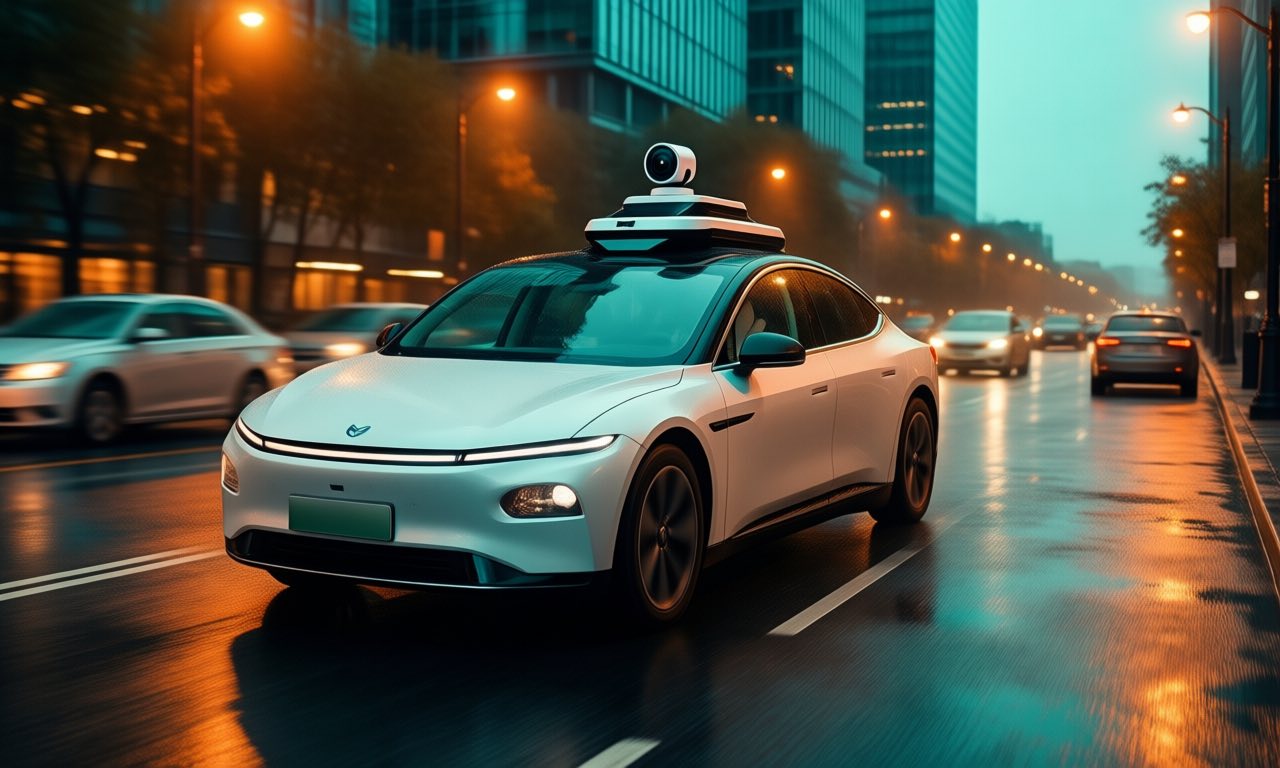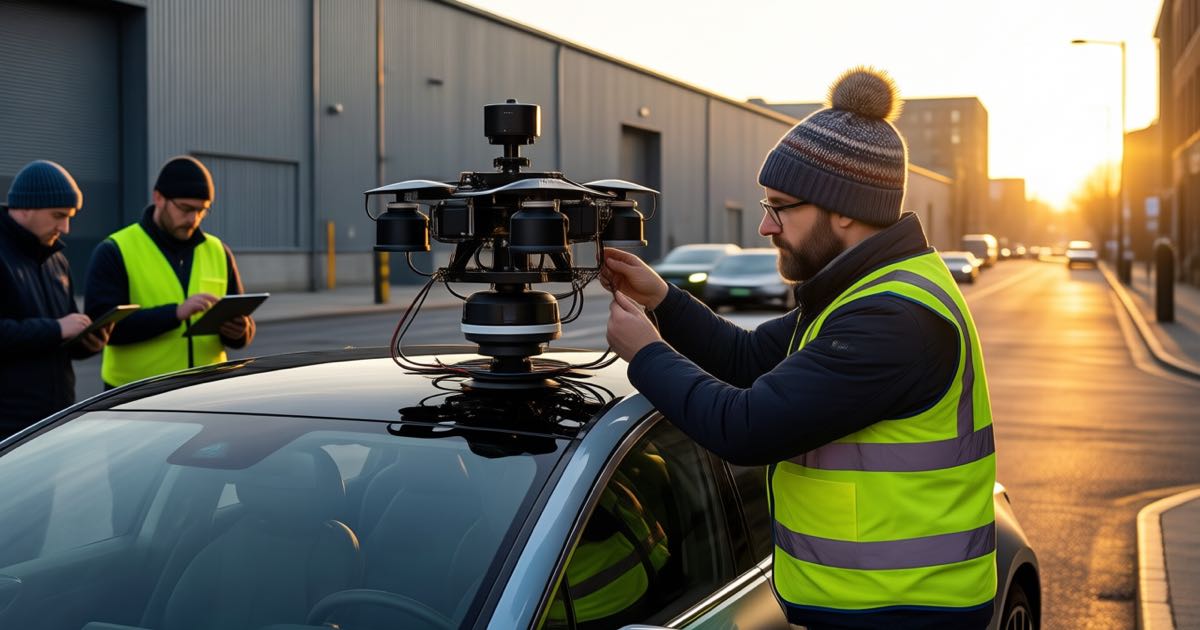
The Financial Times reported on Sunday that Travis Kalanick’s Atoms is developing robotaxi technology, led by Anthony Levandowski, and that preliminary talks have been held with Uber about running the service on Uber’s network. Uber put $100 million into Atoms’ $1.7 billion round in July, according to the FT’s reporting, which cited people familiar with the plans along with current and former staff of both companies.
Atoms gave the FT a flat denial. The company described itself as “an industrial software company” with “no plans to enter the saturated robotaxi market”, adding that Uber is a partner that may use Atoms technology for ridesharing if that proves helpful. Both statements are now on the record, and neither side has produced anything that settles the disagreement. What is not in dispute is the personnel: Atoms acquired Levandowski’s startup Pronto, which automates mining equipment, in March, and the FT reports the robotaxi work sits under him.
The cast of characters is the story
Nobody who watched the last self-driving cycle will need the irony explained, but it is worth laying out in order. Levandowski co-founded what became Waymo, then joined Uber’s self-driving programme after a court case in which Google alleged he took files from its self-driving unit. Google’s lawsuit cost Uber close to $350 million by the FT’s accounting, and contributed to Kalanick’s removal as chief executive in 2017. Levandowski pleaded guilty to one count of trade-secret theft in 2020 and received an 18-month sentence; Donald Trump pardoned him in 2021. Nine years after the affair helped push Kalanick out, Uber is a shareholder in Kalanick’s new company, which employs Levandowski to work on — according to the FT’s sourcing — self-driving cars.
The rest of the bench is a Uber reunion. Gautam Gupta, Uber’s former finance chief, is Atoms’ CFO. Eric Meyhofer, who inherited Uber’s robotaxi programme after Levandowski’s departure, runs Atoms’ Lab37 arm, which the FT says has hired several dozen former Uber staff and recruited from Zoox, Tesla and Waymo. Atoms has more than 2,000 employees across its divisions, most in food, with a growing number on autonomous vehicles.
What Uber might be buying
Uber has not commented on what its $100 million buys, and the company is hedging across the whole field at once. Within the past fortnight it launched London’s first robotaxi service with Wayve, agreed in August to bring more than 2,000 Pony.ai robotaxis to Europe, and cut about 3,300 jobs on September 2. A stake in an Atoms robotaxi programme fits the pattern: Uber is no longer betting on a single autonomous supplier, and Waymo’s decision to build its own ride-hailing network rather than stay exclusive to Uber has given every incumbent carrier a reason to fund alternates.
The model the FT describes for Atoms — write the driving software, leave the vehicles and fleet operations to partners — is the Wayve and Nuro playbook, and it would let Atoms sell into markets rather than operate fleets. For a company whose public pitch is industrial AI for mining, construction and food, the pivot would be a significant expansion; Atoms’ own investor letter, titled “Unfinished Business”, describes a sixteen-year project to digitise the physical world and does not mention robotaxis once.
Denial and reporting can both be true — for a while
Companies routinely develop technology their press releases disclaim, and a company holding preliminary talks with a partner is not the same as a company shipping product. Atoms’ denial is narrow in one telling way: it says it has no plans to enter the “saturated” robotaxi market, then concedes Uber may use its technology for ridesharing. A technology that exists and a market entry plan are different assets, and the statement denies only one of them.
The robotaxi market the denial calls saturated is certainly crowded — Waymo is scaling in the US, Zoox and Tesla are testing, Wayve just went live in London, and Pony.ai is expanding in Europe — but crowded markets have still rewarded whoever controls a distribution network. Uber is the distribution. If the FT’s sourcing is right, the $100 million is less an investment in a rival than a cheap option on a second supplier. If Atoms’ statement is the accurate one, Uber bought into mining automation and cooking software. Either reading is available in the public record, and neither is proven.
New Zealand’s robotaxi relevance is, for now, approximately zero — no operator has announced plans for local roads, and our regulatory settings do not contemplate them. But the story is a useful primer in how the second wave of autonomy gets financed: not with new entrants alone, but with incumbent platforms spreading capital across every viable stack. The company that owns the passenger relationship keeps its options cheap. Everyone else needs the network.
— CJ Murden, editor of Singularity.Kiwi. Former digital technologies teacher, author of AI-focused books. Writing with a New Zealand focus.