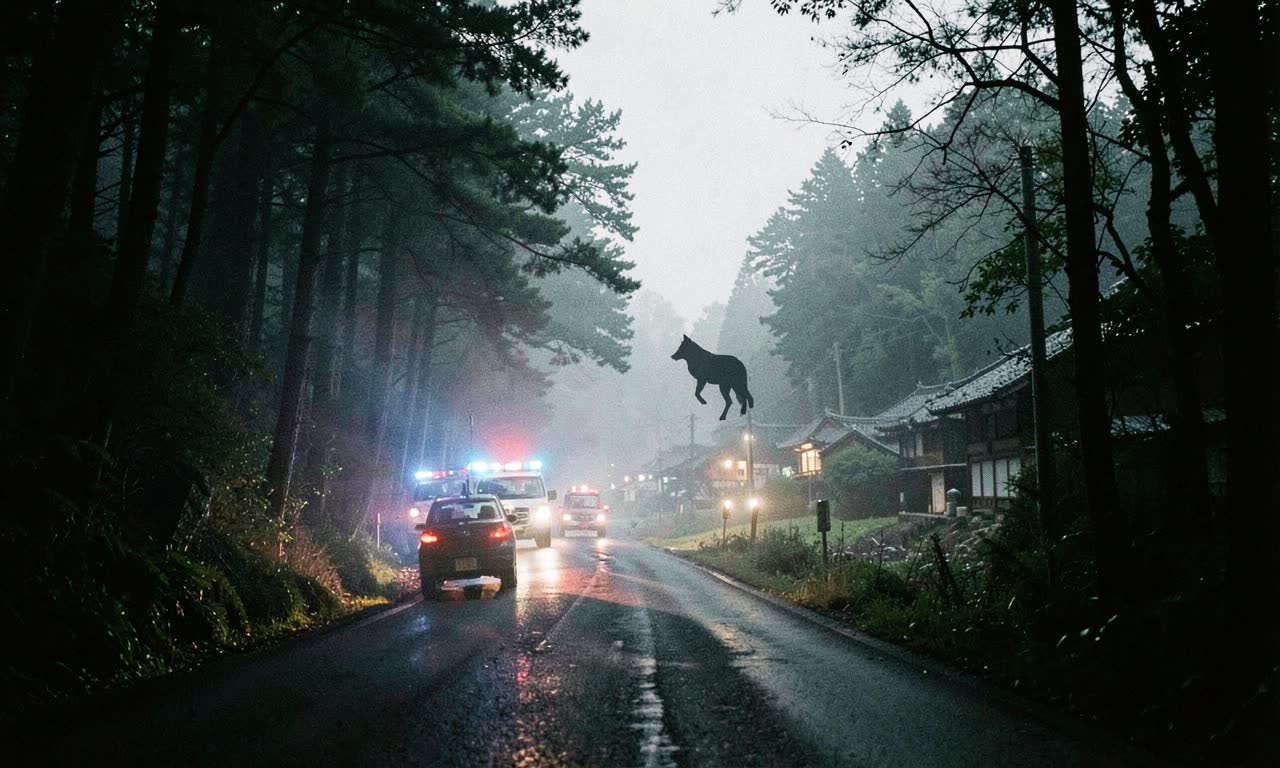
A 40-year-old South Korean man has been arrested after creating and sharing an AI-generated image of Neukgu, a wolf that escaped from a zoo in Gwangju. The fabricated photo — depicting the wolf in a location it had never been — caused authorities to relocate their search operation and triggered emergency alerts to residents in the area.
He now faces up to five years in prison for disrupting government work by deception.
What Happened
When Neukgu escaped from a local zoo, the search quickly became a national story. The man used an AI image generator to create a realistic photo showing the wolf near a residential area, then shared it online as if it were genuine.
The image was convincing enough that authorities took it at face value. Search teams were redirected to the area shown in the photo, and emergency alerts were sent to residents warning them of a nearby wolf.
It was a fabrication from start to finish.
Why This Case Matters
This is the first major criminal prosecution where AI-generated imagery directly interfered with an emergency response. That distinction matters.
Previous deepfake cases have centred on election interference, revenge porn, or financial fraud — serious harms, but ones with existing legal frameworks. This is different. An AI image didn’t just mislead people on social media. It redirected real-world government operations. Emergency responders deployed based on fiction. Residents received alerts about a threat that wasn’t where they were told it was.
The gap between a misleading social media post and an actual misallocation of emergency resources is the gap between free speech and criminal conduct — and South Korea is drawing that line firmly.
The Legal Precedent
South Korean law criminalises disrupting government work by deception. The five-year maximum sentence signals that AI-generated misinformation isn’t a lesser offence because a machine helped create it.
For countries still debating deepfake legislation — including New Zealand — this case provides a concrete reference point. It’s not abstract anymore. Someone went to prison because an AI image made emergency services respond to the wrong place.
The Broader Pattern
This arrest sits within a growing body of evidence that AI-generated content causes real-world harm at a speed and scale that outpaces most regulatory responses:
- Emergency response disruption — This South Korean case, where fabricated imagery redirected physical search operations
- Financial market manipulation — AI-generated content driving stock movements based on false information
- Election interference — Deepfake audio and video of political candidates already documented in multiple 2024 elections
- Legal system contamination — AI-generated evidence submitted in court proceedings, including the well-documented case of fabricated case citations
Each category represents a different kind of institutional trust being eroded by synthetic media.
What New Zealand Should Watch
New Zealand’s deepfake regulatory framework is still taking shape. The Harmful Digital Communications Act provides some coverage, but it was designed for a pre-generative-AI world. Specific provisions for AI-generated misinformation — particularly in contexts like emergency response — don’t yet exist.
The South Korean case suggests a few things worth watching:
- Criminal liability is being established — AI image generation isn’t a shield. If the output causes harm, the creator is accountable.
- Emergency response is a red line — Misinformation that diverts emergency services may be treated more severely than other categories.
- Speed matters — AI-generated content spreads faster than it can be verified. Legal frameworks that require proof of intent or harm after the fact may be too slow.
The Uncomfortable Question
The technology that created the fake wolf photo is available to anyone with a phone. More advanced image generation tools are released every month. The barrier to creating convincing misinformation is approaching zero.
The question isn’t whether AI-generated content will interfere with emergency services again. It will. The question is whether legal systems will be ready when it happens in their jurisdiction — and whether the response will be as swift as South Korea’s.
SOURCES
- BBC News