The people who taught AI how to behave are now being replaced by it. You couldn’t write a more bitter script if you tried.
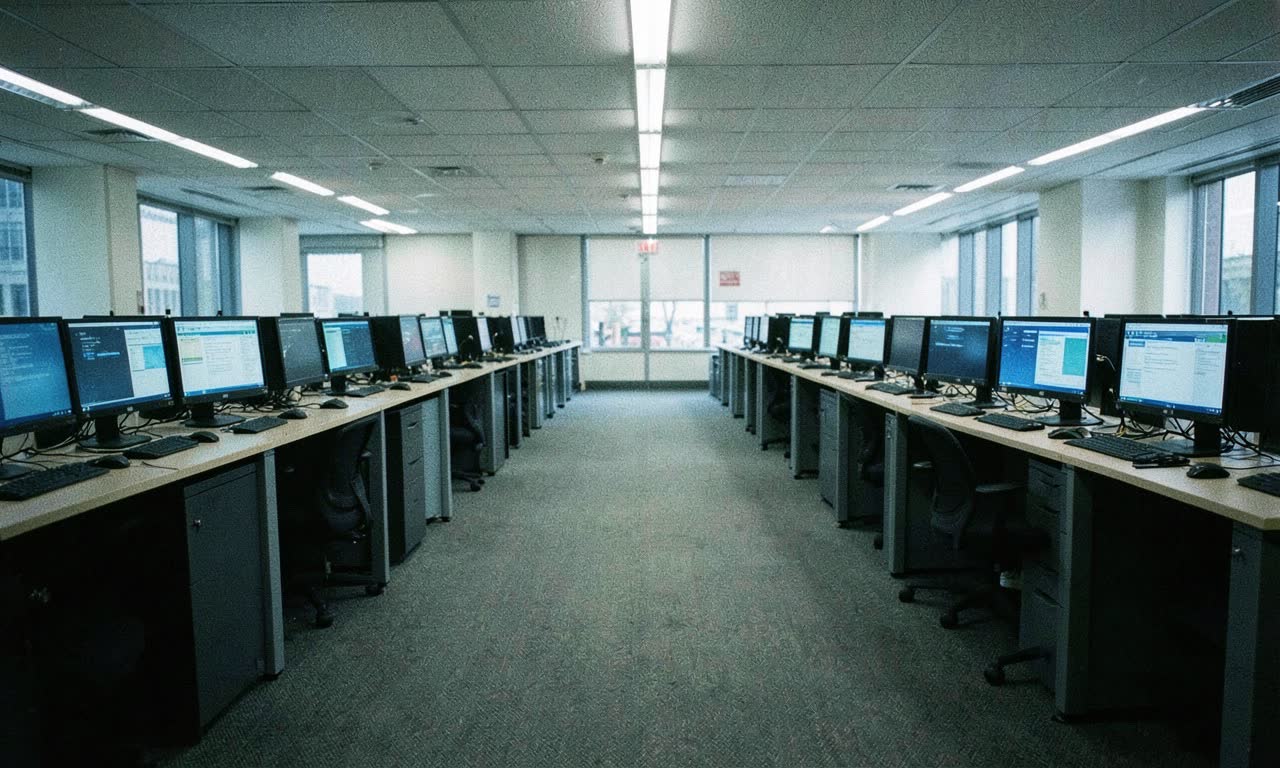
On April 27-28, Dublin-based contractor Covalen notified 700 workers — 500 of them in AI training and data annotation roles — that their positions were being made redundant. The reason: Meta is shifting to internal AI systems and reducing reliance on third-party vendors. Translation: the AI these workers trained is now good enough to do their jobs without them.
What the workers actually did
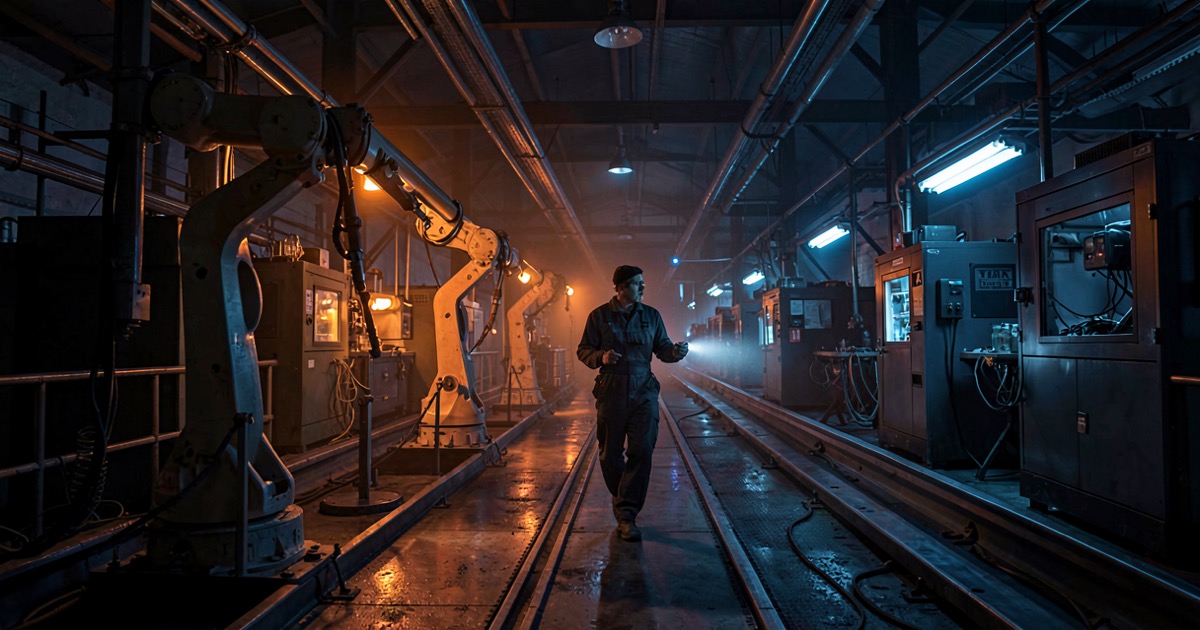
These weren’t glamorous tech jobs. AI training work is gruelling, repetitive, and psychologically taxing. Workers spent their days simulating harmful behaviours — hate speech, violence, sexual exploitation — to help Meta’s models recognise and reject dangerous content. You sit in a cubicle in Dublin and pretend to be the worst of the internet, eight hours a day, so an AI can learn what not to do.
And now the AI has learned. Lesson complete. Class dismissed. Permanently.
The timeline of cuts
This isn’t sudden. Covalen already cut workers in November 2025, sparking union organising and worker protests. Those earlier layoffs were framed as a restructuring. These 700 redundancies are being framed as a “shift to internal systems.” But read between the lines: Meta’s AI models have reached a point where they need fewer human trainers, and the contractor workforce that built that capability is being discarded.
The Irish government has been asked to intervene. Unions are pushing back. But the structural reality is stark — if AI can now do the training work that humans did, the jobs aren’t coming back.
The irony that isn’t funny
This is the most on-the-nose example of AI displacement yet, and that’s saying something in a year where 20,000 jobs vanished in a single week. We’ve written about AI layoffs boomeranging when companies realise they still need humans. But this is different.
These workers didn’t just use AI — they built it. They are the people who sat in front of screens, annotating data, flagging harmful content, running red-team exercises, all so Meta’s models could get safer and smarter. They literally trained their replacement. And unlike the Salesforce grads “riding the AI exponential” into new roles, these contractors have no seat on the exponential. They’re just off the bus.
Why contractors first
There’s a pattern here that matters. When AI displacement hits, it hits the most vulnerable workers first:
- Contractors — no severance, no benefits, no notice beyond statutory minimums
- Offshore workers — less visibility, less media coverage, less political leverage
- Data labellers — the “invisible” workforce that makes AI possible
These 700 workers in Dublin are visible because Ireland has labour laws and a free press. How many similar cuts have happened in data annotation centres in Kenya, the Philippines, or India without making the news?
The bigger question
Meta isn’t wrong that its internal AI systems can now handle much of this work. The models are better. The automation is real. But what does it mean when the people who make AI safe are the first to be displaced by it?
AI safety doesn’t just mean preventing chatbots from saying dangerous things. It also means thinking about what happens to the humans who do that work. Right now, the industry’s answer to that question is: “Thanks, goodbye.”
🔍 THE BOTTOM LINE: 700 AI trainers in Dublin learned the hardest lesson in the AI economy — the better you train the model, the faster you make yourself redundant. The industry calls this “progress.” The workers call it betrayal. Both are right.