The great AI race has a new battleground, and it’s not in the cloud — it’s in the physical world.
Meta has acquired Assured Robot Intelligence (ARI), a humanoid robotics startup building foundation models for robots that can understand, predict, and adapt to human behaviour in complex environments. ARI co-founders Xiaolong Wang (ex-Nvidia, UC San Diego) and Lerrel Pinto (ex-NYU, recently sold Fauna Robotics to Amazon) are joining Meta Superintelligence Labs.
Yes, you read that right — Pinto co-founded Fauna, sold it to Amazon in March, and now his new venture ARI has been acquired by Meta. The humanoid robotics talent war isn’t just heating up — it’s making people rich twice over.
What We Know
The acquisition target is now confirmed: Assured Robot Intelligence (ARI), founded by two of the most credentialed robotics researchers in the field. A Meta spokesperson told TechCrunch: “We acquired Assured Robot Intelligence, a company at the frontier of robotic intelligence designed to enable robots to understand, predict, and adapt to human behaviors in complex and dynamic environments.”
ARI’s team, including co-founders Xiaolong Wang and Lerrel Pinto, will join Meta’s Superintelligence Labs research division — not Reality Labs, notably. Meta is treating this as an AI research problem, not a hardware play. The statement says the team will bring “deep expertise in how we can design our models and frontier capabilities for robot control and self-learning to whole-body humanoid control.”
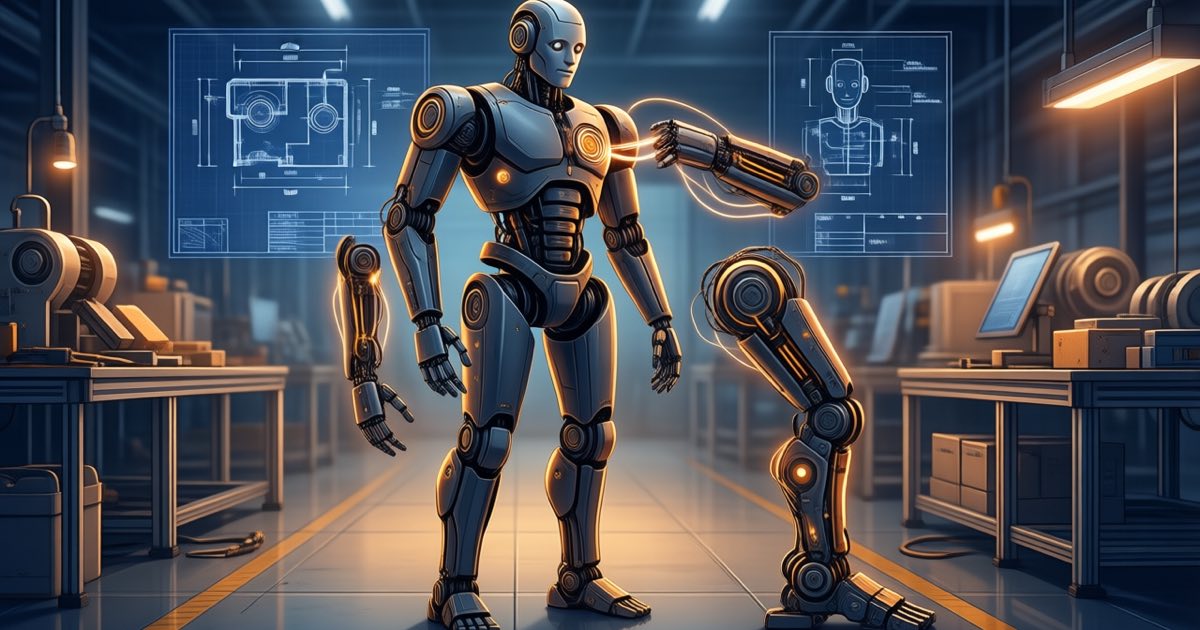
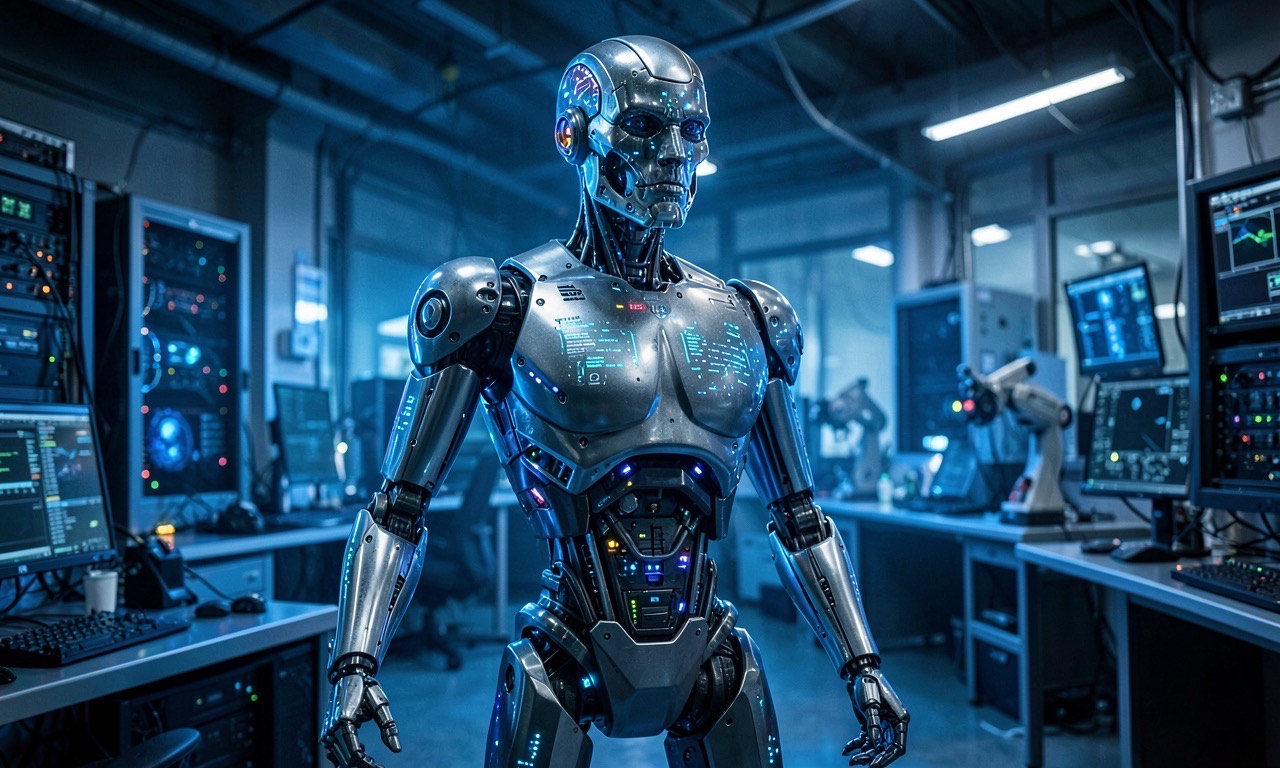
That last sentence is the whole thesis: Meta isn’t building a better Roomba. They’re training Llama to control a humanoid body from head to toe. The AI-first approach means the robot is just a vessel — the real product is the intelligence running it.
The talent pedigree is serious. Wang was a researcher at Nvidia and associate professor at UC San Diego with a string of prestigious awards. Pinto taught at NYU, co-founded Fauna Robotics (which Amazon acquired in March 2026), and has his own collection of academic honours. These are the people you hire when you’re serious about embodied AI.
The Physical AI Thesis Is Winning
The acquisition validates what the market has been signalling for months: the next phase of AI isn’t about smarter chatbots — it’s about AI that can act in the physical world.
Consider the landscape:
- Tesla — Optimus humanoid robot in production, targeting factory floors first
- Amazon — Acquired Fauna Robotics for its $50,000 “Sprout” bipedal robot in March 2026
- Figure AI — Nvidia-backed, already deploying humanoids in BMW factories
- Mobileye — Acquired Mentee Robotics for $900M in January 2026
- Google DeepMind — Released Gemini Robotics-ER 1.6 with enhanced physical reasoning
- Meta — Acquired ARI (May 2026), co-founders joining Superintelligence Labs. Llama-powered humanoids incoming.
Every major tech company is converging on the same thesis: AI that only exists in a screen is AI that’s leaving value on the table. The companies that control the physical AI layer — the robot body, not just the digital brain — will dominate the next decade.
Why This Matters for New Zealand
NZ doesn’t have a domestic humanoid robotics industry. But physical AI is coming for our jobs anyway, and the policy questions are already urgent:
- Workplace displacement — When humanoids hit warehouse and logistics floors, who regulates the transition? NZ’s employment law wasn’t written for robots taking physical jobs.
- Safety regulation — A humanoid robot in a factory is a workplace hazard that existing frameworks don’t adequately cover. WorkSafe NZ needs to get ahead of this.
- Data sovereignty — Meta’s Llama-powered robots will collect enormous amounts of physical environment data. Where does that data go? Under whose jurisdiction?
- Economic opportunity — NZ’s agricultural and logistics sectors are prime early markets for physical AI. The question is whether we’re customers or participants.
The Cynical Read
There’s another way to read Meta’s robotics push: it’s a distraction from the fact that Meta’s AI strategy has been uneven. Llama is powerful but open-source — Meta gives it away. Reality Labs has burned over $50 billion with little to show. The Quest headset business is niche.
Humanoid robotics is the kind of bold, futuristic narrative that Zuckerberg excels at selling. “We’re building the future” sounds better than “we’re subsidising AI inference for the entire industry and losing money on VR headsets.”
But here’s the thing: distraction or not, the robots are real. Amazon isn’t spending billions on Fauna as a PR stunt. Tesla isn’t putting Optimus on factory floors for the photo op. And if Meta actually ships a consumer humanoid, it won’t matter whether the motivation was strategic or narrative — the impact on labour markets will be the same.
🔍 THE BOTTOM LINE
Meta buying into humanoid robotics confirms what the AI industry has been whispering for a year: the chatbot era was just the warm-up act. The real race is physical AI — giving artificial intelligence a body to move through the world with. Whether Meta’s entry is strategic brilliance or expensive distraction won’t matter much if the robots show up anyway. The question for NZ is whether we’ll shape that future or just buy it from someone else.
SOURCES
- TechCrunch — “Meta Acquires Robotics Startup to Accelerate Humanoid AI Push” (2026-05-01)
- Humanoid.guide — “Meta’s Next Big Move: AI-Powered Humanoid Robots on the Horizon”
- Reuters — “Meta Plans Investments Into AI-Driven Humanoid Robots” (2025-02-14)
- CNBC — “Amazon Acquires Fauna Robotics” (2026-03-24)