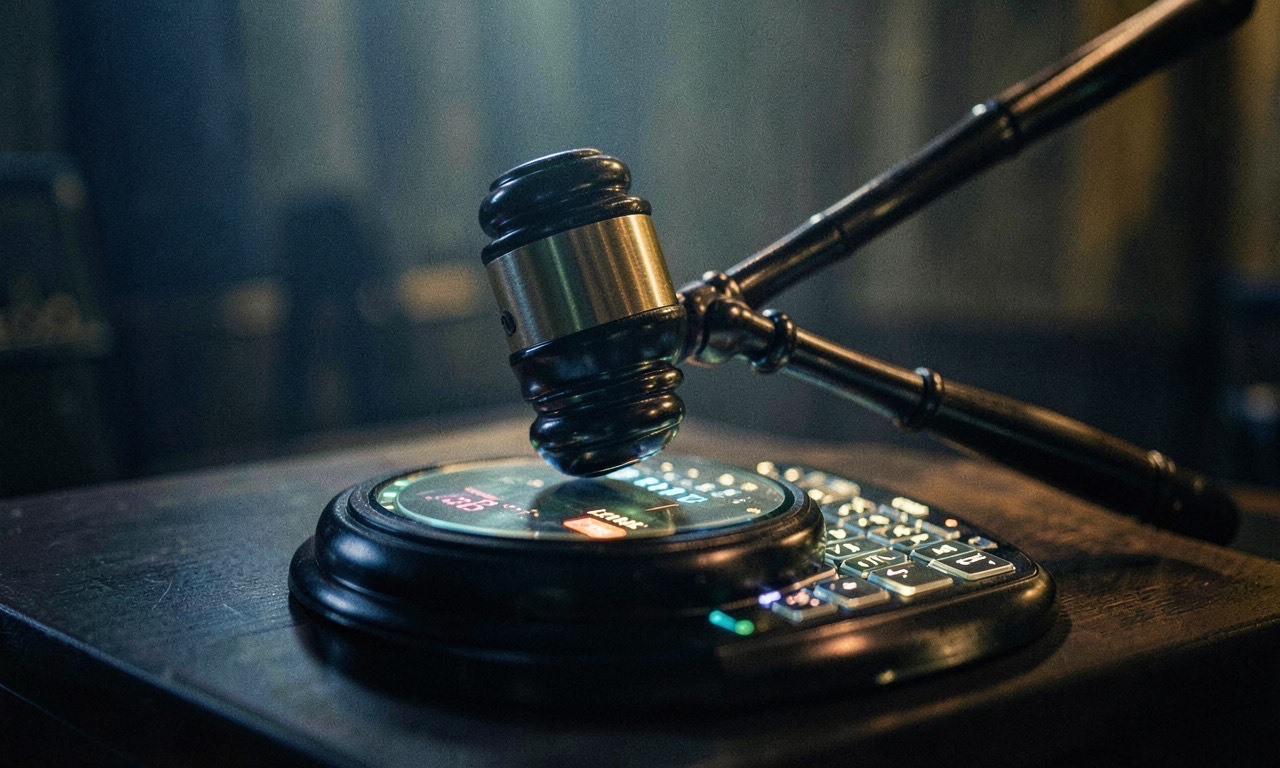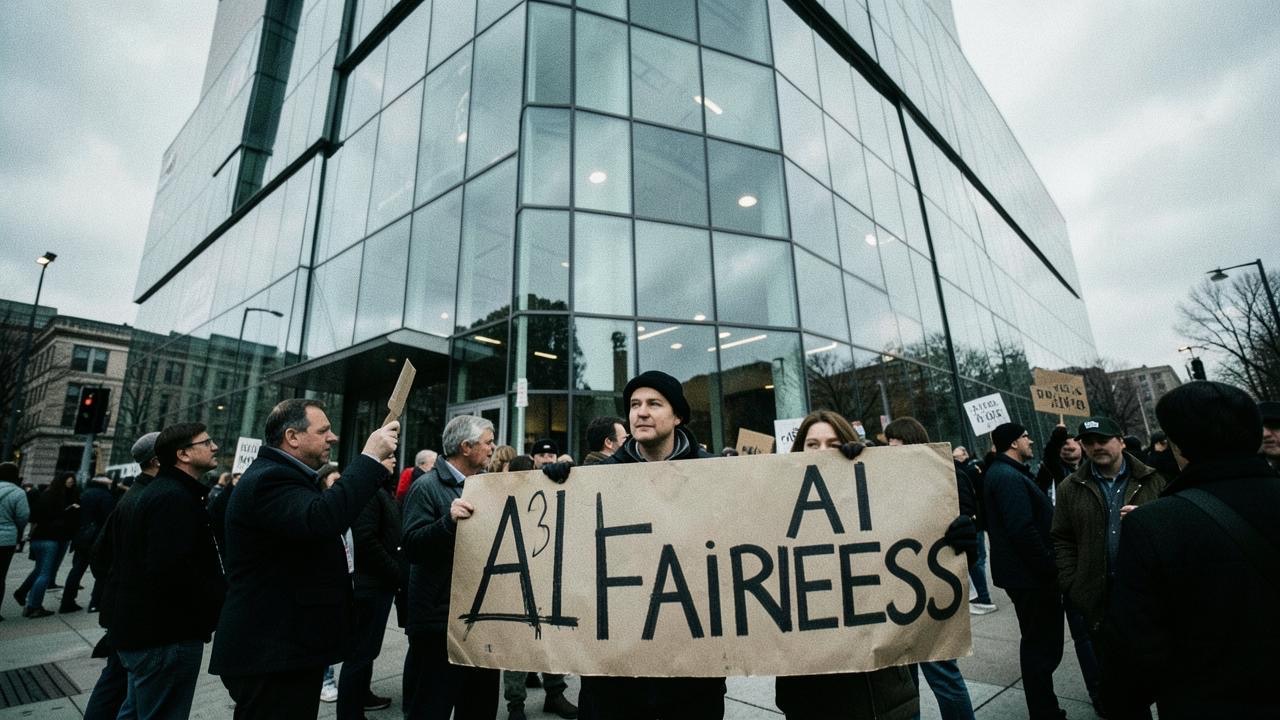
On April 8, 2026, roughly 150 unionized ProPublica staff walked off the job for 24 hours — the first US newsroom work stoppage explicitly driven by AI-related concerns. The strike, authorized by a 92% union vote, marks the moment AI labor anxiety moved from tech company hallways into the press room.
What the Union Wants
The ProPublica Guild is demanding three core AI protections in their contract:
- No AI job replacement — explicit language prohibiting management from replacing union positions with AI systems
- Mandatory bargaining on AI use — any new AI tool or workflow that affects editorial staff must be negotiated with the union before deployment
- Reader transparency — audiences must be told when content they’re reading was generated or substantially assisted by AI
These aren’t abstract concerns. AI-generated content has already appeared across newsrooms — from earnings report summaries to sports recaps. The question isn’t whether AI enters the newsroom, but who gets a say when it does.
What Management Offered
ProPublica management responded with expanded severance packages for AI-related layoffs but refused all three core demands. No restrictions on AI adoption. No bargaining requirement. No transparency mandate.
The severance offer essentially says: “We’ll pay you more when we replace you.” The union’s response was to walk out.
Why This Matters Beyond ProPublica
This strike is a test case. ProPublica is one of the most respected investigative newsrooms in the US — if it can’t win AI labor protections, the signal to every other newsroom is clear: don’t bother trying.
But if the Guild wins even partial concessions, it creates a template. The New York Times Guild, the Washington Post union, and dozens of smaller newsroom unions are watching. AI contract language in one major outlet becomes leverage in the next negotiation.
The journalism angle also reframes the AI labor debate. Until now, the conversation has centered on tech workers, customer service, and creative industries. Newsrooms add a dimension that hits differently: these are the people who cover AI companies. When the reporters writing about AI layoffs start experiencing them, the coverage changes — and so does public trust.
The Bigger Picture: AI and Organized Labor
ProPublica’s strike sits at the intersection of two accelerating trends:
-
AI adoption in knowledge work is outpacing labor protections. Companies are deploying AI tools faster than unions can negotiate guardrails. The result is a growing “AI deployment gap” — management decides, workers adapt.
-
Organized labor is finding its AI voice. The Hollywood writers’ strike in 2023 included AI provisions, but ProPublica’s is the first strike where AI is the primary issue, not a secondary clause. That escalation matters.
For Singularity.Kiwi readers tracking the “AI layoff trap” we’ve covered before, this is the next chapter: workers aren’t just being displaced — they’re organizing against it. Whether that organization succeeds will shape how AI rolls out across every white-collar industry.
What Happens Next
The 24-hour strike was a warning shot. The 92% authorization vote gives the union leverage for a longer action if negotiations stall. Meanwhile, the next contract negotiation cycle at major newsrooms — the Times, the Post, the Wall Street Journal — will almost certainly include AI provisions inspired by ProPublica’s demands.
The question isn’t whether newsrooms will adopt AI. They already are. The question is whether the people who work there will have any say in how it’s used — and whether readers will know when a machine wrote the story they’re reading.
SOURCES
- New York Times — ProPublica Strike Coverage
- ProPublica Guild — Strike Authorization and Demands