There’s a particular kind of honesty that only happens when someone is so confident in their business model that they forget to spin it. Uber’s CTO Praveen Neppalli Naga, speaking at TechCrunch’s StrictlyVC event last night, delivered one of those moments.
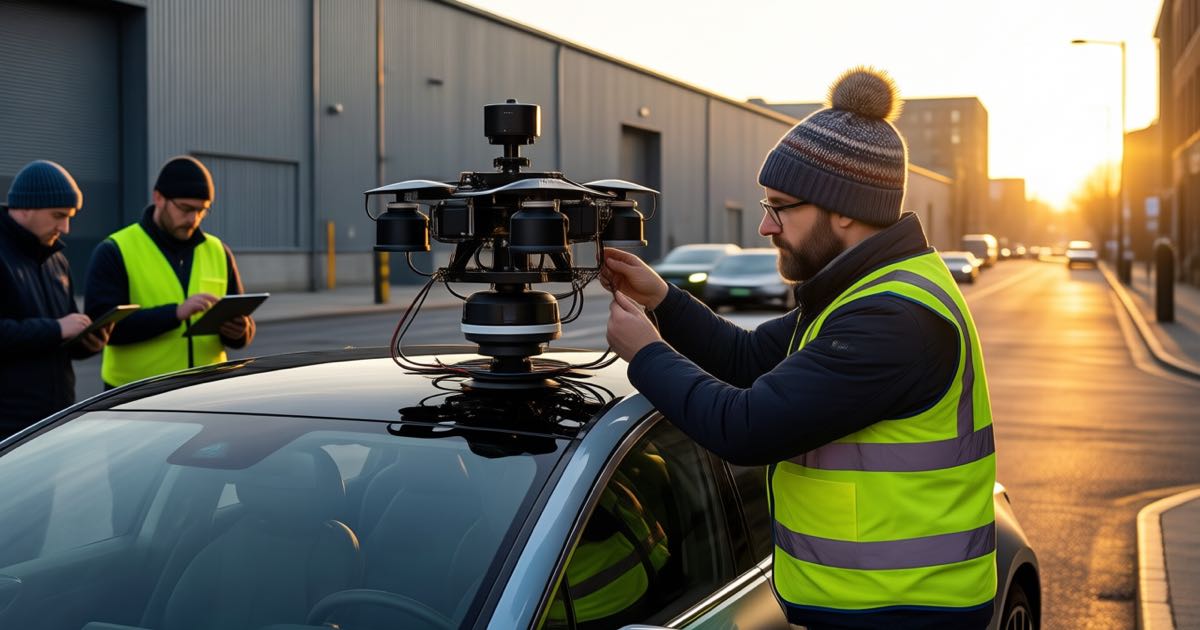
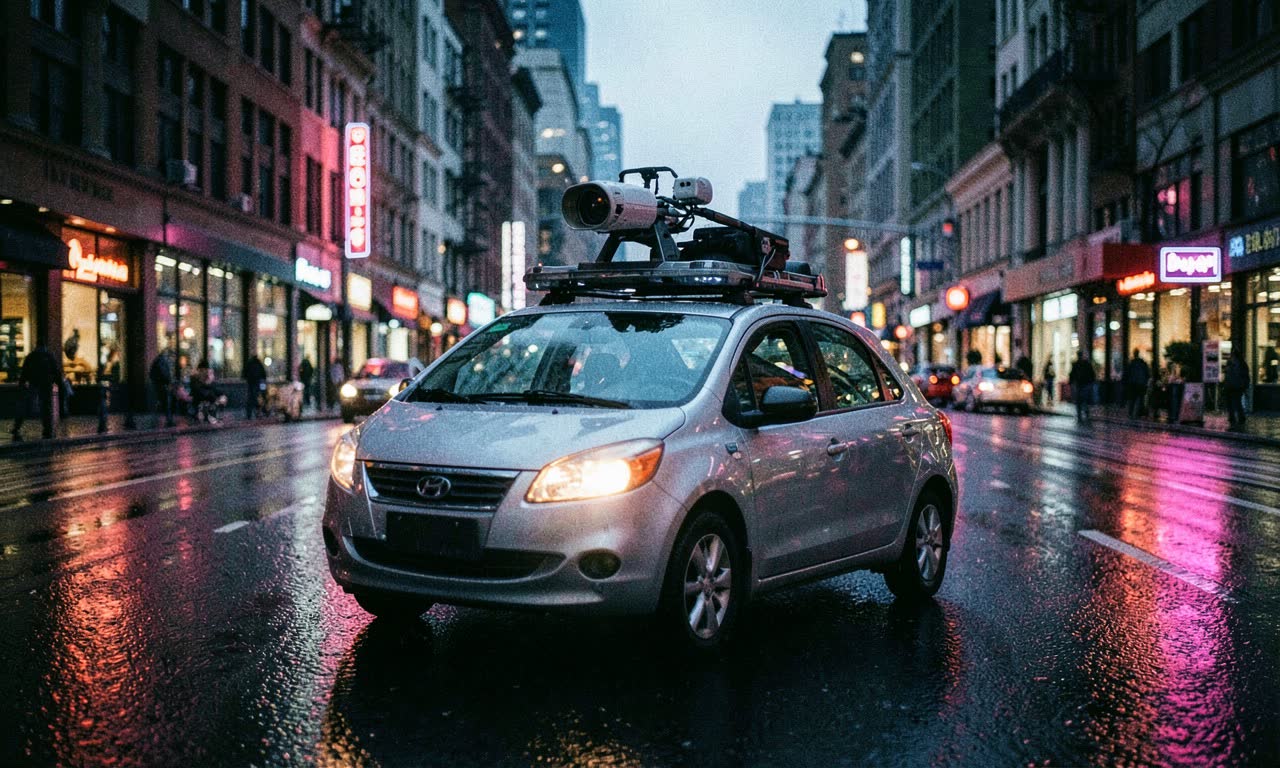
The plan: outfit Uber’s millions of human drivers’ cars with sensors — lidar, radar, cameras — to collect real-world driving data for autonomous vehicle companies. The same drivers who deliver your late-night kebab will, if Uber gets its way, also be generating the training data that makes robotaxis possible.
“Our goal is not to make money out of this data,” Naga said. “We want to democratize it.”
Right. And Uber exists to help people share rides out of the goodness of their hearts.
The AV Labs origin story
This isn’t entirely new. Uber announced AV Labs in January 2026 — a small division starting with a single Hyundai Ioniq 5 and a team literally screwing sensors onto cars. As VP of Engineering Danny Guo admitted: “We don’t know if the sensor kit will fall off, but that’s the scrappiness we have.”
The initial pitch was modest: a dedicated fleet of Uber-owned cars collecting data for the 25 autonomous vehicle companies Uber partners with, including Waymo and London-based Wayve. The cars drive around, collect sensor data, and partners query an “AV cloud” of labeled scenarios to train their models.
But the ambition was always bigger. Naga confirmed that equipping human drivers’ cars is “the direction we want to go eventually.” The word eventually is doing a lot of work there — but given how fast this industry moves, “eventually” could mean 18 months.
Why this is clever
Let’s give the devil his due. This is genuinely smart strategy.
Uber killed its own self-driving program after one of its test vehicles killed a pedestrian in 2018 and sold the division to Aurora in 2020. Co-founder Travis Kalanick has called that decision a mistake. But rather than rebuild from scratch, Uber has found something arguably more valuable: becoming the data infrastructure layer for the entire AV industry.
The bottleneck for autonomous vehicles isn’t the technology anymore. It’s data. Specifically, edge cases — the weird, unpredictable scenarios that only emerge from millions of hours of real-world driving. Waymo has been operating for a decade and its cars still illegally pass stopped school buses. Tesla has millions of customer cars collecting data, but that data is proprietary and only benefits Tesla.
Uber sits in the middle: 600 cities worldwide, millions of trips daily, and now an explicit strategy to monetize that scale as a data product. It’s AWS for autonomous driving.
Why this is also chilling
Here’s the uncomfortable part. The people collecting this data — Uber’s gig workforce — are doing it for the same companies that are building the technology to make them redundant.
It’s not theoretical. Uber already partners with Waymo for robotaxi rides in several cities. The very data collected by human drivers will train models that could replace those same drivers. And unlike Tesla, where drivers implicitly contribute data by purchasing a car, Uber drivers are contractors who may not even know their vehicles are being used as mobile sensor platforms.
Naga acknowledged there are regulatory hurdles: “We have to make sure every state has clarity on what sensors mean, and what sharing it means.” That’s lawyer-speak for “we haven’t figured out the privacy implications yet.”
For NZ readers, this matters because gig work regulation is still evolving here. NZ’s Employment Relations Act doesn’t neatly cover contractors who become unwilling data collection nodes. If Uber deploys sensor-equipped cars in Auckland or Wellington, what consent do drivers need? What data ownership rights do they have?
The Tesla parallel — and why it’s different
Yes, Tesla has been doing something similar for years. Millions of customer cars collecting Autopilot and FSD data. But there’s a key difference: Tesla owners bought their cars. They chose to participate (or at least, chose to buy a Tesla knowing data collection is part of the deal).
Uber drivers are different. They don’t own the platform. They don’t own the data. They don’t have a seat at the table when Uber decides to turn their livelihoods into training infrastructure. And given how AI is already displacing young workers in exposed occupations, adding “data harvester for my own replacement” to the job description feels like adding insult to injury.
What happens next
Uber says it won’t charge for the data — for now. But it’s already making equity investments in AV companies, and the leverage of proprietary training data at scale is impossible to ignore. “Democratize” is a word that means something very different when you control the entire supply.
The company plans to grow AV Labs to a few hundred people within a year. Partners can run their models in “shadow mode” against real Uber trips — simulating how an AV would handle a situation without putting one on the road. It’s genuinely useful technology.
It’s also technology that works best when it has the most data. And the most data comes from the most drivers. Who are, conveniently, the same people who’ll be looking for new jobs when the robotaxis arrive.
Uber killed its self-driving car program. Now it’s found something better: getting everyone else to build the cars while Uber owns the road data. It’s not just a pivot — it’s a masterclass in finding the choke point in an industry and sitting on it.
The drivers, as always, are just along for the ride.
Sources:
- Uber wants to turn its millions of drivers into a sensor grid for self-driving companies — TechCrunch, May 2026
- Uber launches an AV Labs division to gather driving data for robotaxi partners — TechCrunch, January 2026