Walden Robotics
Toyota's bet on full-stack Physical AI. Spun out of a Toyota research lab, already working on the factory floor.
Key Specs
At a glance.
Latest Developments
Where the company stands in 2026.
At CoreWeave's Fully Connected conference, CSO Adrien Gaidon revealed Walden robots have run full production shifts alongside human workers since May 2026 — machine tending, parts kitting, subassembly at Toyota and other partner plants — framed as one of the first sustained general-purpose robot deployments in live manufacturing, per SiliconANGLE and Nexchron. The Remote Assistant model (one human overseeing many robots) is Walden's answer to the autonomy gap while its Large Behaviour Models keep learning on the job.
Walden signed a 50,000 sq ft office lease in Cambridge, MA — one of the area's larger robotics office deals — as the Toyota-backed startup scales headcount for its large behaviour model program, per The Boston Globe.
Walden is a core "intelligence" partner in Samsung SDS's Team REX robot alliance and the two are pursuing a "robot orchestration" business directing mixed robot fleets from one control system, per Seoul Economic Daily. Samsung Venture Investment had already taken a strategic stake in June; a proof of concept targeting core manufacturing use cases is underway.
Launched from stealth with $300M at $1.1B valuation. Co-led by Toyota Motor Corp, with Nvidia backing.
Robots already deployed at Toyota factory — real production work, not demo.
Spun out of a Toyota robotics research lab. Full-stack Physical AI approach.
Overview
Walden Robotics emerged from stealth on July 15, 2026 with approximately $300 million in funding at a $1.1 billion valuation. The round was co-led by Toyota Motor Corporation, with Nvidia among the backers. The company was spun out of a Toyota robotics research lab — giving it a rare advantage: a ready-made deployment partner and a factory floor to learn on.
What separates Walden from the crowded humanoid field is its full-stack approach. The company builds both the physical robot and the AI software that lets it learn and improve while performing real work. Most competitors focus on either hardware or software; Walden is doing both.
The company says its robots are already on the job at a Toyota factory — not in a demo lab, but in actual production. That claim, if sustained, puts Walden ahead of most humanoid startups that are still in pilot or prototype phase.
The Robot
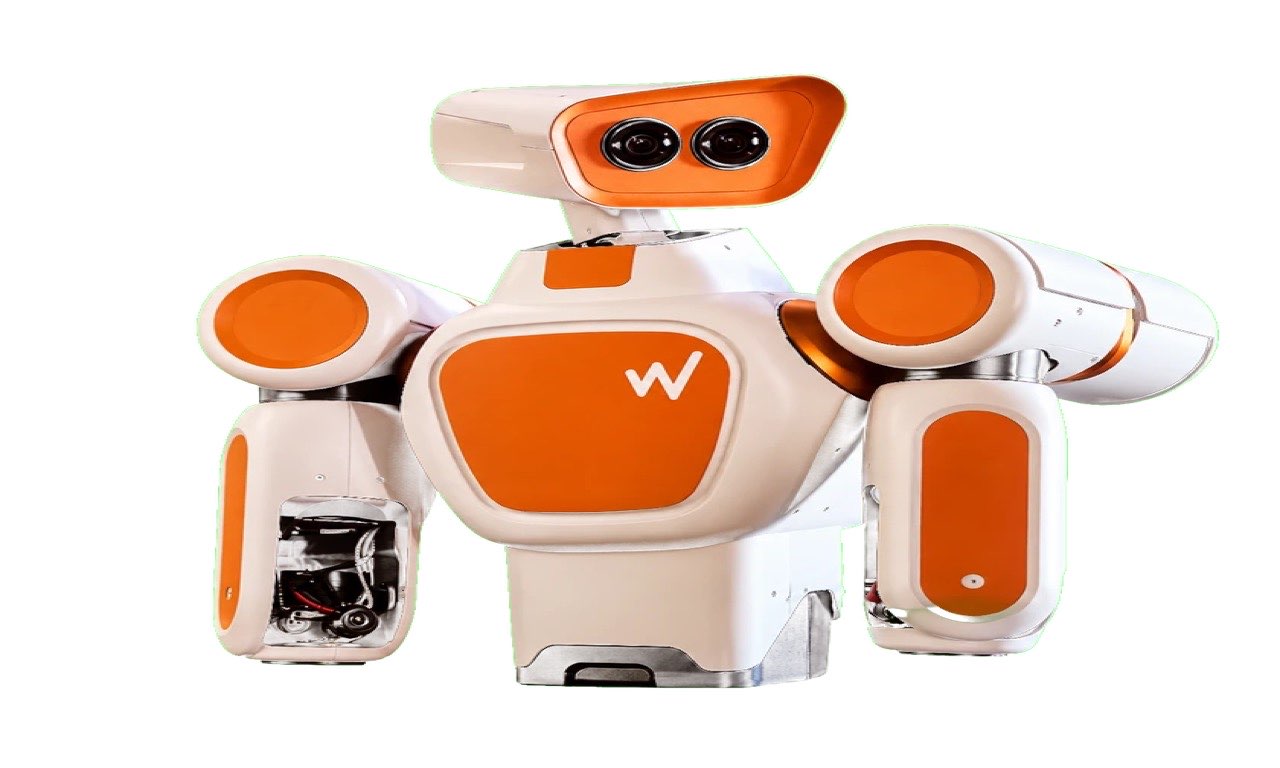
Walden's general-purpose robot is designed for manufacturing and logistics work. The full-stack approach means the robot's AI is proprietary — built to continuously learn from its environment and improve its performance over time.
Rather than building a humanoid that looks impressive in a demo, Walden is building robots that perform repetitive industrial tasks reliably enough to replace or augment human workers on existing production lines.
Funding & Backers
The $300 million launch round values Walden at $1.1 billion, making it a unicorn on day one. Toyota Motor Corporation co-led the round, a signal that the automaker sees strategic value in controlling its own robotics capability.
Nvidia's participation is also significant — the chipmaker is backing multiple humanoid companies, but Walden's Toyota connection gives it a deployment pipeline that most competitors lack.
Deployment
Walden's robots are deployed at a Toyota factory — the same environment where the technology was developed. This is not a pilot or a trial; the company describes it as real production work.
The manufacturing and logistics focus puts Walden in direct competition with Figure AI (BMW), Apptronik (Mercedes-Benz), and Agility Robotics (Amazon). The difference: Walden's robots were born inside a Toyota lab and are working inside a Toyota factory.
Timeline
Focus Areas
Manufacturing
Toyota factory deployment is the beachhead. If the robots prove reliable on automotive lines, the entire manufacturing sector opens up.
Logistics
Warehouse and distribution work — repetitive, physically demanding tasks that human workers are happy to hand off.
Full-Stack AI
Building both hardware and software means Walden controls the entire stack. No dependency on third-party AI models for core functionality.
Continuous Learning
Robots that improve while working. Each task completed makes the next one faster and more reliable.
Why It Matters
Walden Robotics is the most credible new entrant in the humanoid race in 2026. The Toyota backing is not just money — it's a deployment partner, a research heritage, and a factory floor to learn on. Most humanoid startups spend years looking for their first real customer. Walden was born inside one.
The full-stack approach is ambitious. If it works, Walden controls everything from the metal to the mind. If it doesn't, they're spread thin across too many layers. Either way, $1.1B on day one with robots already working is a serious statement.
Born inside Toyota. Deployed inside Toyota. The factory floor is both origin story and proving ground.