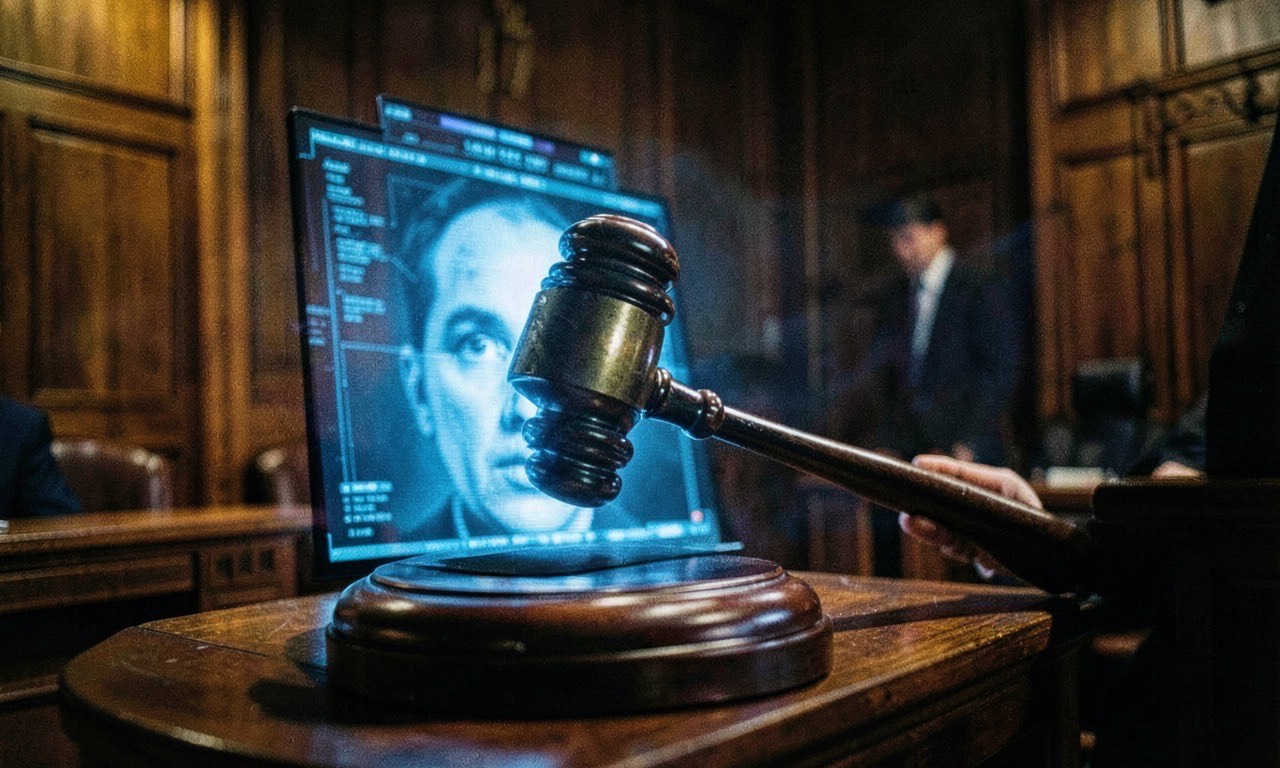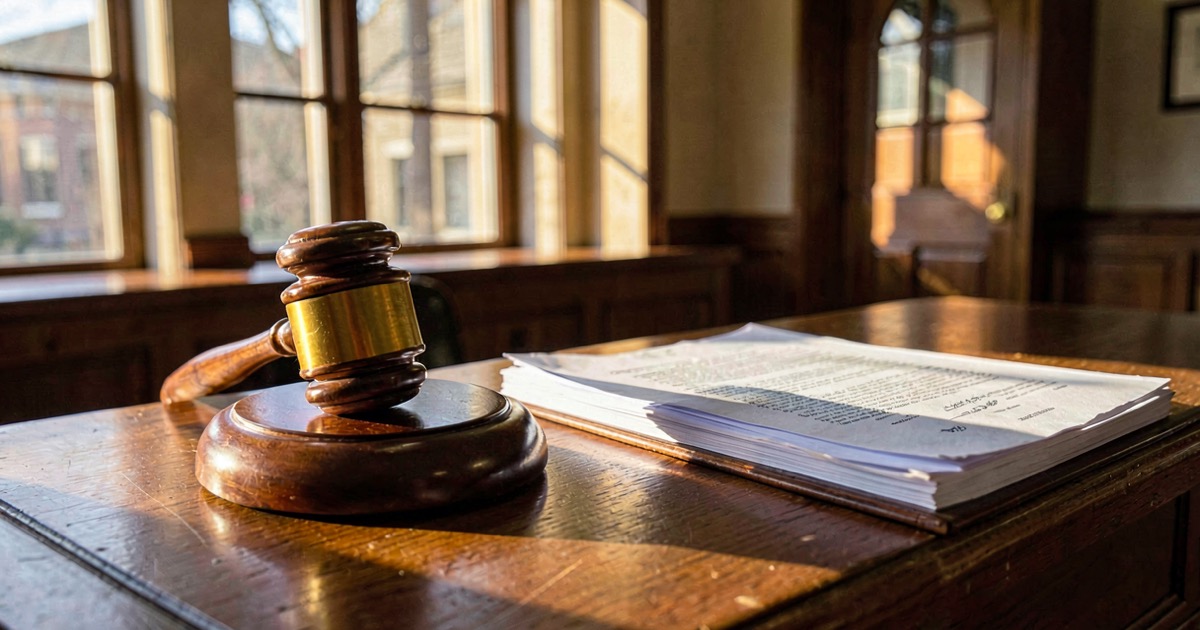
A federal judge has denied xAI’s emergency request to block Minnesota’s first-in-the-nation ban on AI nudification apps, allowing the law to take effect while the company’s lawsuit against it continues.
US District Judge Donovan Frank’s ruling focused as much on xAI’s timing as on the substance of the law. xAI filed its request for a temporary restraining order on July 29, 2026 — nearly three months after the law was signed, and only three days before it was set to take effect on August 1.
“Such a delay in bringing the action and the motion suggests that harm is not immediate,” Frank wrote, according to NBC News.
🔍 THE BOTTOM LINE
Minnesota’s ban on AI nudification apps — the first US state law to target the creators of the technology, not just the users — is now in effect. xAI’s lawsuit arguing the law is “overinclusive” will continue in court, but the law stands while it does. The ruling is a signal that courts may be unsympathetic to last-minute challenges from AI companies with deep pockets and shallow urgency arguments.
The Timing Problem
Judge Frank’s criticism of xAI’s delay is notable. Minnesota’s law was signed in May 2026. xAI had roughly three months to challenge it before the August 1 effective date. Instead, the company waited until the eleventh hour.
This is a pattern courts see frequently: a plaintiff waits until a law is about to take effect, then claims emergency harm. Judges often view this sceptically. Frank’s ruling suggests xAI would need to demonstrate why the harm became urgent only in the final 72 hours before enforcement began.
xAI argued the ban is “overinclusive” and that “there are far less restrictive alternatives that function to achieve the same ends,” TechCrunch reported. The company did not specify what those alternatives would be.
This builds on our earlier reporting when Minnesota became the first state to ban AI nudification apps with $500,000 fines per violation and product-blocking authority for the Attorney General.
The Grok Problem
The lawsuit carries particular weight because of xAI’s own history with non-consensual sexualised imagery. Earlier this year, users of Elon Musk’s social media platform X used xAI’s Grok chatbot to flood the platform with non-consensual sexualised images, leading to investigations and bans worldwide.
California’s Attorney General sent xAI a cease-and-desist order over the sexual deepfakes. Indonesia blocked Grok entirely over the same issue. xAI, X, and SpaceX are now part of the same corporate entity — meaning the company challenging Minnesota’s ban is the same company whose product generated the harm the ban was designed to address.
Why This Matters Beyond Minnesota
Minnesota was the first US state to ban AI nudification apps. It will not be the last. The law’s survival — even at the preliminary injunction stage — gives other states a template. If xAI cannot win an emergency block with its legal resources, smaller AI companies will face a steeper climb.
The EU’s AI Act Article 50 transparency requirements also took effect this month, requiring AI-generated content to be labelled. The regulatory direction is consistent across jurisdictions: AI companies are being told to label, restrict, or eliminate the harms their products can generate.
For New Zealand, the question is whether similar legislation will follow. NZ has no specific law targeting AI nudification apps. The Harmful Digital Communications Act covers some non-consensual intimate imagery, but it was written before AI-generated content was a widespread problem. A Minnesota-style ban — targeting the creators of the tools, not just the users — has not been proposed in Parliament.
❓ FAQ
What does Minnesota’s ban actually do? It prohibits the creation, distribution, and provision of AI nudification apps — software that generates non-consensual sexualised images. Violations carry fines up to $500,000 per incident, and the Attorney General has authority to block the products.
Is xAI’s lawsuit over? No. Judge Frank denied the temporary restraining order, meaning the law is in effect while the case proceeds. xAI can still argue the law is unconstitutional in the full trial.
Why did xAI wait three months to file? The company has not publicly explained the delay. Judge Frank noted that the timing “suggests that harm is not immediate” — a direct critique of xAI’s urgency claim.
Could this happen in New Zealand? NZ has no equivalent law. The Harmful Digital Communications Act addresses some forms of non-consensual intimate imagery but was not designed for AI-generated content. A ban targeting the creators of nudification tools would require new legislation.
🔍 THE BOTTOM LINE
A federal judge let Minnesota’s ban on AI nudification apps take effect, and the company that challenged it is the same company whose product generated the harm the law targets. xAI’s lawsuit continues, but the law is live. The ruling tells AI companies that last-minute legal challenges to AI safety laws will face sceptical judges — and that the regulatory tide is not turning in their favour.