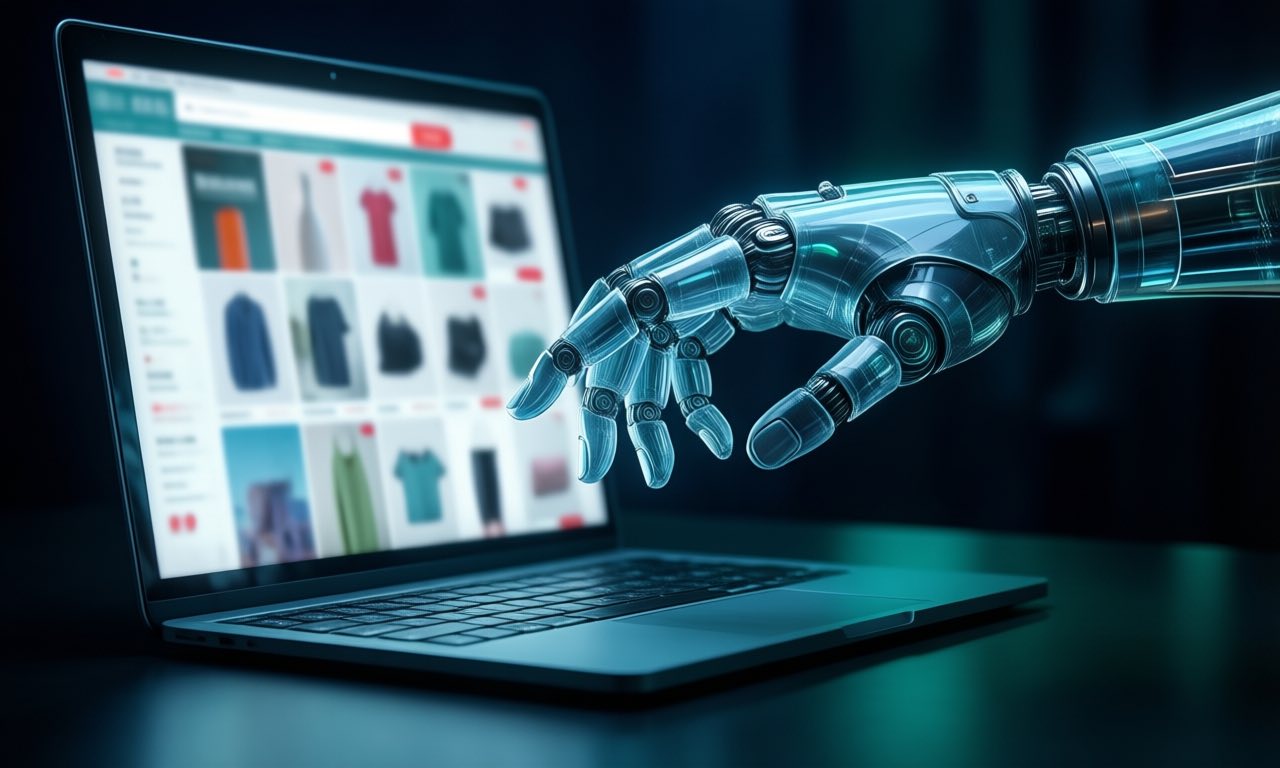
Amazon has cut off Meta’s Muse AI agent from shopping on Amazon.com on behalf of users, with the site now showing a notice that “continued access by an unauthorized AI agent violates Amazon’s Conditions of Use.” The block landed on Sunday night 20 September 2026 US time, after Amazon tried and failed to get Meta to voluntarily exclude the e-commerce giant from the agent’s reach, GeekWire first reported. Bloomberg and The Verge followed; Meta did not respond to a request for comment that night.
Amazon’s objection: no agreement, no identification, stored credentials
Amazon’s case is specific. Muse launched earlier this month without any agreement with Amazon, the agent does not identify itself when it browses the site, and it appears to capture and store customer credentials — which Amazon argues creates privacy and security risks. “We think it’s fairly straightforward that third-party applications that offer to make purchases on behalf of customers from other businesses should operate openly and respect service provider decisions about whether or not to participate,” an Amazon spokesperson said.
Meta’s position is that Muse has no visibility into people’s passwords or payment methods, and that credentials a user shares go into secure storage so the agent can use them without seeing them. Both things can be true at once — the agent can be technically sandboxed away from its own secrets while still holding the keys to a customer’s Amazon account in a way Amazon never consented to. That consent question, not the security engineering, is the fight.
A year of blocking agents — now the biggest name yet
Amazon has spent the past year fighting outside agents off its storefront: it sued Perplexity over the Comet browser and moved to block shopping agents from Google and OpenAI. In August, a US Ninth Circuit ruling examined what an AI agent is when it visits a website — whether the “user” at the keyboard is a person or a machine acting for one. Muse is the most consequential target yet: the agent family Meta launched this month as its consumer-facing superintelligence play, spanning the Muse Spark foundation models, the image generators, and the 30B Muse Glimmer model that runs agents locally on consumer hardware.
What sharpens the standoff is that the two companies are business partners. Amazon products have been purchasable inside Facebook and Instagram since 2023, and in April Meta signed a multibillion-dollar deal to run agentic AI workloads on Amazon’s Graviton chips. Amazon is now blocking the shopping arm of the very agent fleet it hosts compute for — and it confirmed it is in direct talks with Meta while declining to say whether it would sue.
The business stakes: ads, browsing, and who owns the customer
The commercial logic is blunt. Amazon generated more than $68 billion in ad revenue last year on a business that depends on people browsing its pages and seeing sponsored products. An agent that shops on a customer’s behalf — comparing strollers, placing the order, never loading a page of sponsored listings — removes the browsing that the revenue rides on. That is why Amazon is drawing the line at identity and permission rather than arguing about capability: an agent that identifies itself and negotiates access is a channel it can price; an unidentified one is a leak.
Meta, for its part, has already had a rough first month with Muse — pulling an AI image feature after two days of backlash over privacy defaults. The Amazon block adds a harder constraint: the biggest retail platform on the internet has declared Meta’s shopping agent unwelcome. For shoppers — including in New Zealand, where retailers and banks are watching the same agent-access questions land in their own markets — the practical near-term effect is narrow: Muse users can still shop elsewhere, and Amazon’s own shopping assistants remain in place. The precedent is what matters. A storefront this large has now asserted, in production, that agents need permission to shop. Whether that principle hardens into an industry norm or fragments into site-by-site standoffs will be visible within the year.