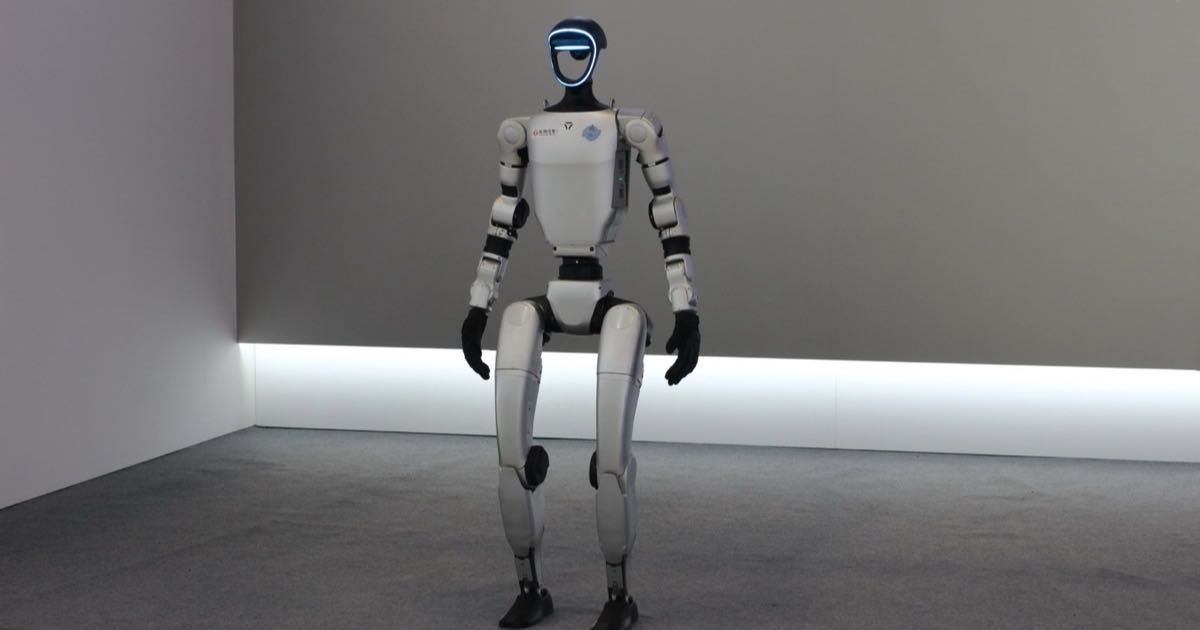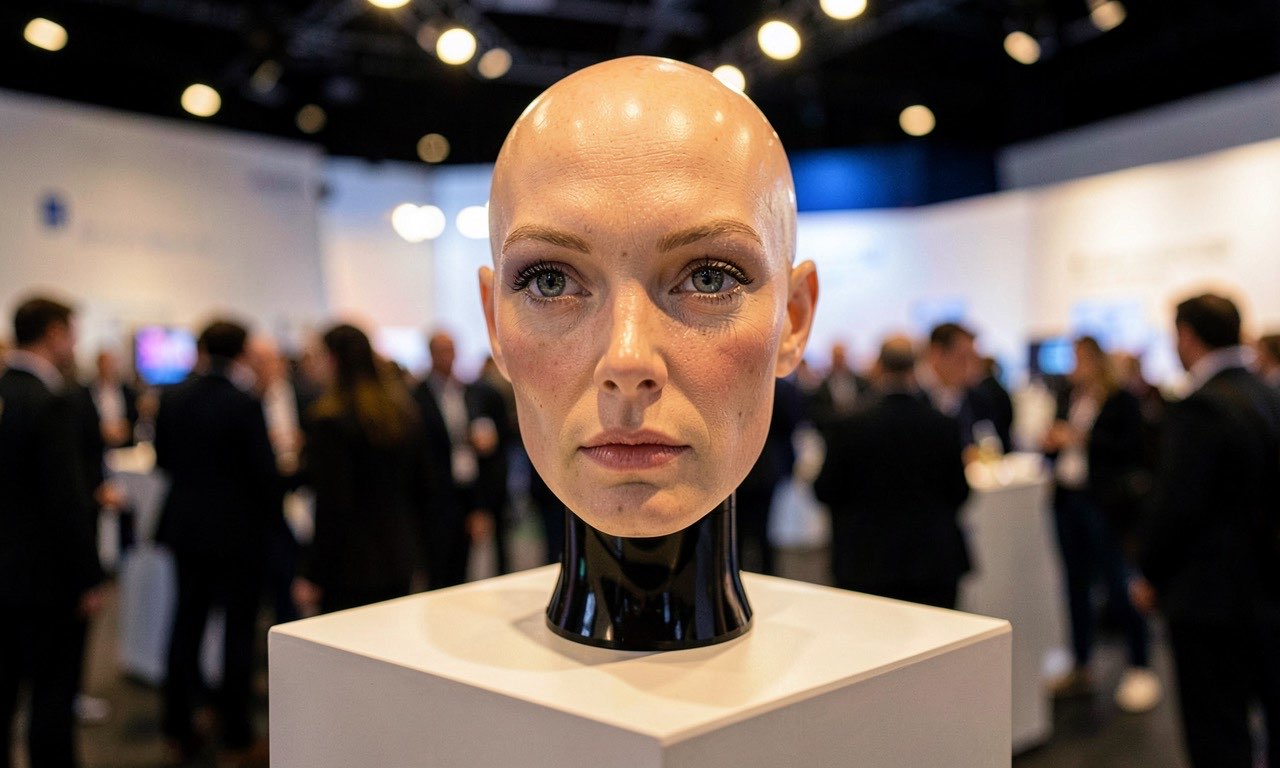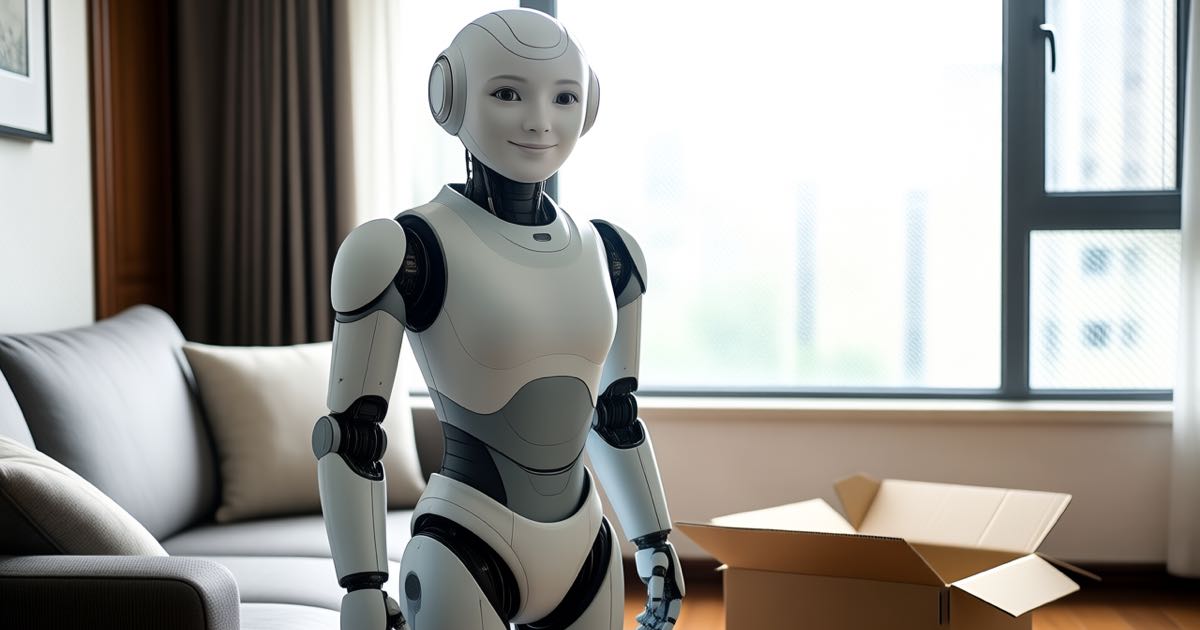
On September 16, UBTech started delivering the U1 — a 1.68-metre humanoid with medical-grade silicone skin, 88 joints and no practical skills whatsoever — to paying customers’ homes in China. Not a pilot. Not a showroom. Actual front doors, actual living rooms, against 13,361 paid deposits of 3,000 yuan each.
That makes it, by New Atlas’ count, the first mass-produced humanoid companion robot to ship into a home rather than onto a stage. Every other company in this race — Figure, Agility, Unitree — is still selling to factories and labs. UBTech is selling to people who live alone.
What 119,800 yuan buys you
The U1 line runs three tiers: Lite, Pro and Ultra. Only Pro and Ultra ship as full humanoid bodies — 1.68m or 1.83m depending on which model, wrapped in silicone with visible pores, with 88 joints that let the robot blink, smile, hug and hold your hand. Prices run from 119,800 yuan (about NZ$31,000) to 990,000 yuan (roughly NZ$258,000) for the flagship Ultra. Memory is encrypted and stored locally on the machine, which matters more than it sounds for a device whose entire product is intimacy.
What it won’t do is cook, clean or run errands. CEO Zhou Jian has been explicit about that. UBTech also insists the robot isn’t built for romantic relationships — while selling a machine designed to hold your hand. Both statements are doing a lot of quiet work.
The gap between the demo and the doorbell
The interesting part is what happened when the boxes arrived. At the June launch, the U1 Ultra’s dancing looked stiff — “like a marionette,” one account put it — and the robots wobbled through a catwalk segment behind professional human models. Early buyers picking up units this week are reporting the same mismatch: the robot in the ad and the robot in the living room are not the same machine.
For a phone that’s a refund request. For a robot whose pitch is emotional presence, walking like a marionette undercuts the entire product. A $28,000 companion that moves like machinery is a harder sell than a $28,000 appliance, precisely because it’s priced and marketed as neither.
The loneliness economy gets its first mass-market product
UBTech crossed 10,000 reservations within days of opening pre-sales in June — ten times its entire humanoid sales volume for 2025 — and the tally has since passed 13,361 units. Sociologists quoted by Global Times have asked the obvious question: are these machines easing loneliness, or replacing the work of building relationships with people? Sixth Tone’s reporting on the sector has settled on the industry nickname already: the loneliness economy.
New Zealand readers will recognise the shape of this from Otago’s Brightwater trial, where companion robots are being tested with dementia residents — a care setting, with staff in the loop. The U1 is a different proposition: an unsupervised, emotionally engineered device in a private home. UBTech shipped the first one anyway, and 13,000 people lined up.
It’s also a striking pivot for the same company running industrial humanoids out of Liuzhou and pitching a robot “AI scientist” into the talent war. Factory robots sell on ROI. Companion robots sell on something no earnings call can yet measure — and China’s regulators, who already pulled AI companion apps from stores in July, are watching the same launch everyone else is.
The honest read: this is a real milestone wrapped around an unresolved question. UBTech proved humanoids can be manufactured, priced and sold at consumer scale. Whether one belongs in a home is a question the company has answered with a delivery van, and everyone else — buyers included — is still deciding.
Source: Startup Fortune, SCMP