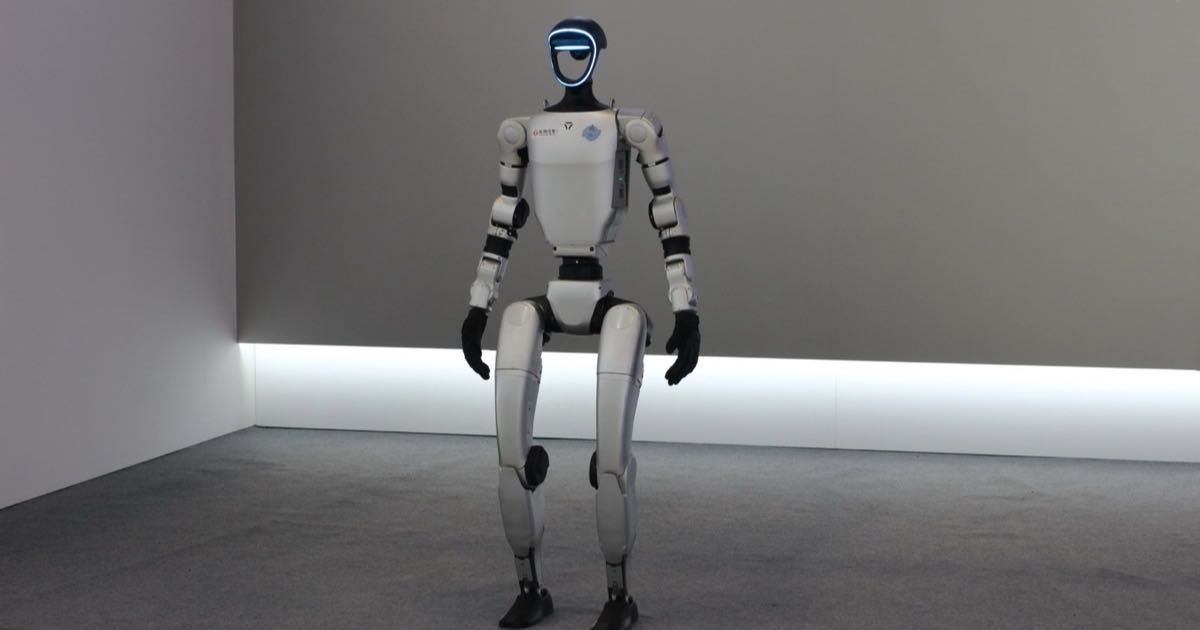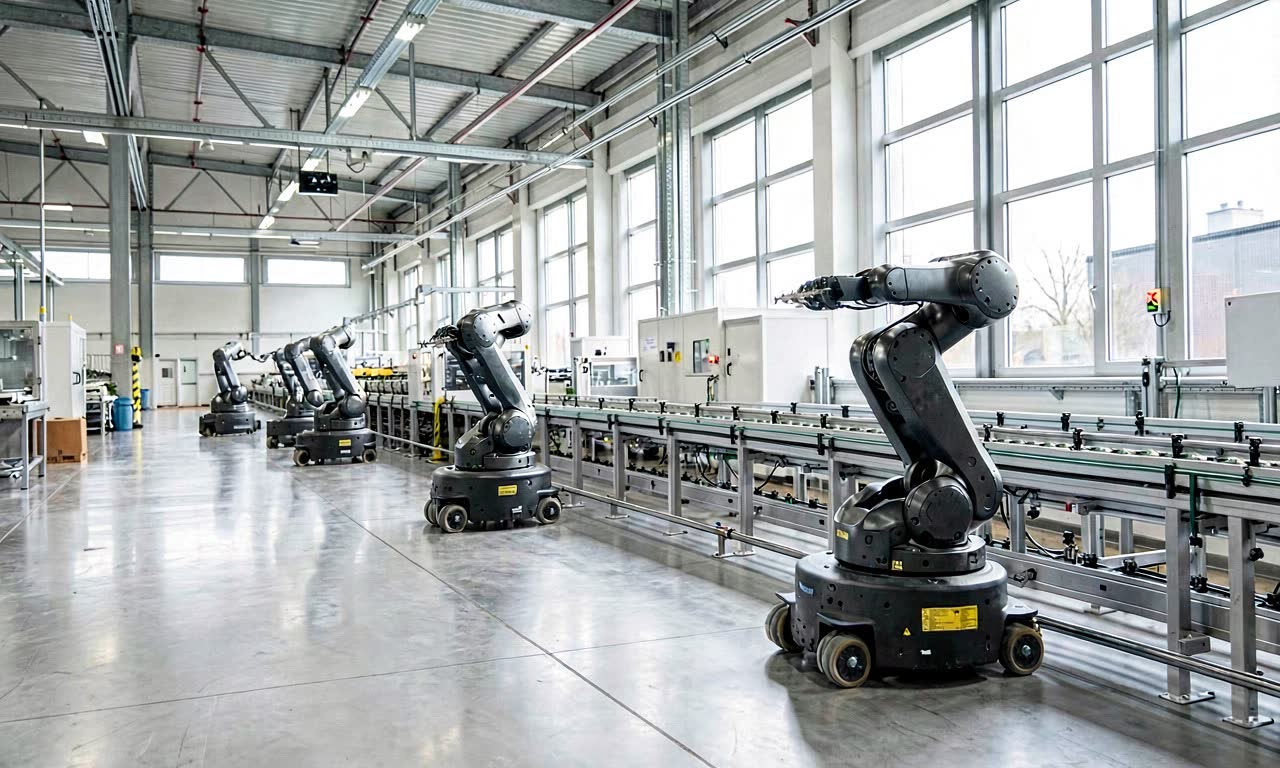
At an investor briefing on September 18, Toyota put a number on the factory floor it wants: 400,000 robots, across roughly 60 plants and suppliers, at a cost of up to ¥1 trillion — about NZ$11 billion — per year from 2028. Nikkei Asia reported the figure as 400,000 humanoid robots. Reuters, more carefully, reported that the count covers humanoid and conventional machines together, including replacements for equipment Toyota already runs. Toyota did not confirm either the spending or how many years it might last.
Even discounted, it dwarfs everything else on the board. About 542,000 industrial robots of all kinds were installed worldwide in 2024, per the International Federation of Robotics. Analyst estimates put total humanoid shipments across the entire planet in 2025 at roughly 13,000 to 18,000 units.
ELEY: the anti-Optimus
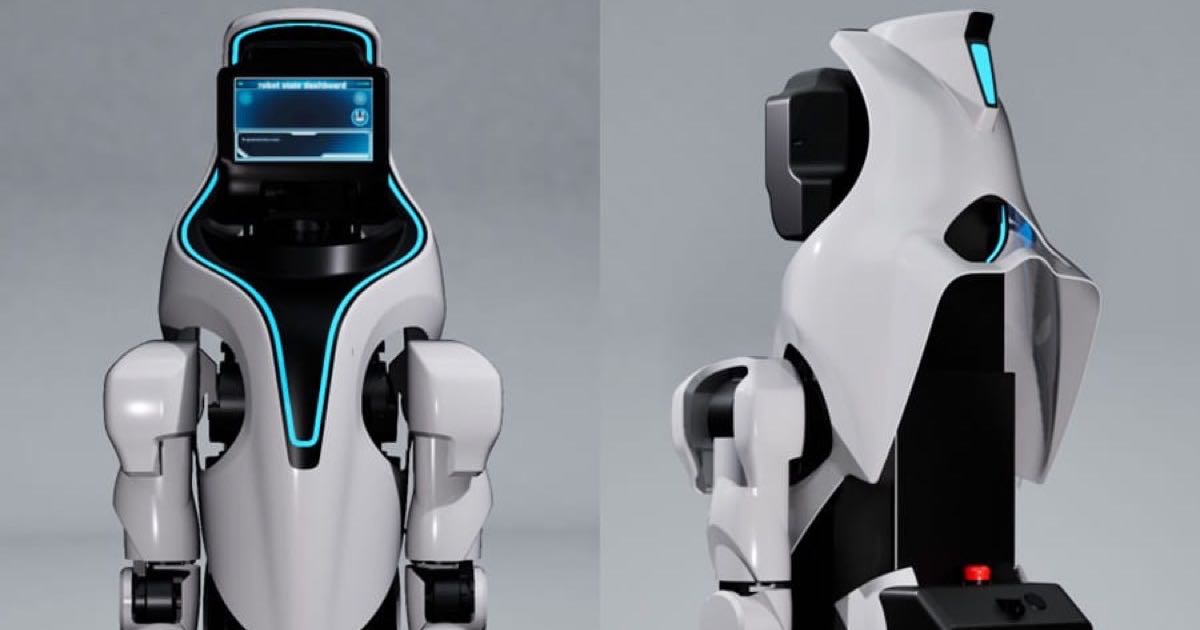
The robot itself is a deliberate counter-statement to the humanoid mainstream. ELEY (Embodied Learning robot for Enhanced Yield) rolls on wheels instead of walking, weighs about 50 kilograms, and carries two-fingered hands rather than five-fingered ones. It comes out of Toyota’s Frontier Research Center, and the design bet is stability and reliability over spectacle — wheels don’t fall over.
The training method is the more interesting half. Instead of simulation, ELEY learns by watching: veteran workers — takumi, in Toyota’s vocabulary — wear finger-shaped sensor jigs while they work, and the robot maps their movements directly. SpecsLib’s account of recent demonstrations says the robot needed about 1,500 repetitions to master folding fabric. Learned data gets centralised and pushed fleet-wide, so a skill acquired at one plant propagates to all of them — and Toyota has flagged a future where robots train new human employees, reversing the usual apprenticeship.
Executive vice president Hiroki Nakajima’s line for the briefing: “We aim for a world where robots coexist with humans, rather than replacing them.” Toyota also stated the robots are not meant to replace humans but to coexist — language that’s easy to make and hard to audit, but consistent with how the rollout is structured: robots arrive only when plants are upgraded for new models or new capacity, not as layoffs-by-automation.
The number that matters is the pattern
The honest comparison set, from The Conveyor’s tally: Toyota Canada runs seven Agility Digit robots unloading totes at Woodstock, Ontario. BMW has one to two Figure robots at Spartanburg. Hyundai has set a target of more than 25,000 Boston Dynamics Atlas robots across Hyundai and Kia plants by 2028. Tesla says about 1,000 Optimus units are deployed, mostly for learning and data collection rather than productive work. Toyota’s own Dongfeng counterpart in China plans factory entry this October and human-parity capability by end of 2027.
Against that, 400,000 is a different category of claim — less a deployment plan than a statement that Toyota believes the hardware problem is nearly solved and the bottleneck is now task data. That’s exactly what the takumi-watching scheme is built to collect. The sceptical read comes from a rival automaker’s robotics lead, who told The Conveyor the gap between lab and line is still wide: something that’s 80 per cent successful in the lab fails differently on a production line, and unloading totes — one job, repeated identically — is nowhere near hundreds of tasks across 60 plants.
That scepticism is warranted, and it doesn’t change the significance. Safety-first designs like Agility’s Digit 5 show the industry is solving the around-humans problem first, while RF-localisation work on autonomous factory robots points at the same prerequisite from another direction: robots that know where they are before they act. Toyota, the most conservative manufacturer on Earth, pricing a seven-figure annual robotics budget into its planning is the strongest signal yet that the factory humanoid has moved from demo to procurement.
Source: The Conveyor, reporting Reuters and Nikkei Asia; Just Auto