The Generation That Trusts AI More Than Adults
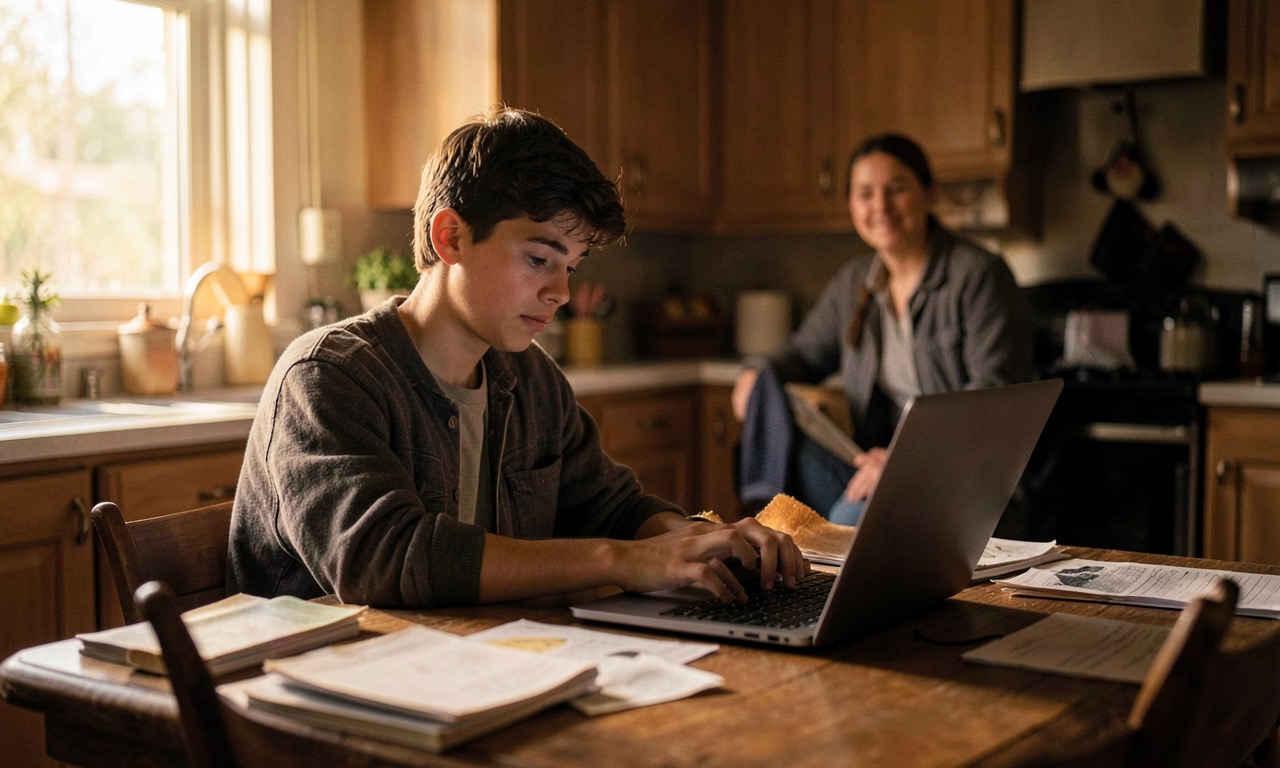
A new report from Common Sense Media drops a number that should stop every parent, teacher, and policymaker cold: nearly 1 in 4 kids aged 9–17 would turn to a chatbot for homework help before asking a trusted adult — a parent, teacher, or counsellor.
The numbers get starker. 85% of that age group use AI. Half use it weekly. A fifth use it daily. And 42% of frequent users say it would be hard to give up AI for a month.
🔍 THE BOTTOM LINE: Kids adopted AI faster than they adopted social media, and the trust transfer is happening right now. The question isn’t whether they’ll use AI — it’s whether the adults in their lives know enough to guide that use.
Michael Robb, head of research at Common Sense Media, put it plainly: “AI is already a part of childhood in a way I think people haven’t really grappled with yet.” This isn’t a future problem.
AI Addiction: Whose Responsibility?
If kids are defaulting to ChatGPT as their primary information source, who’s accountable when that relationship becomes dependency? The Conversation asks whether the AI addiction responsibility sits with users or the companies designing engagement-maximised models.
The parallel to social media is uncomfortable but unavoidable. We spent a decade figuring out that algorithmic feeds were engineered for addiction. Now we’re handing children tools that are even more responsive, more personalised, and more convincing — and asking them to self-regulate.
Why it matters for NZ: New Zealand doesn’t have a dedicated AI safety framework for minors yet. While the EU and US states move, we’re watching.
Florida vs OpenAI: The Big Tobacco Playbook
Florida became the first state to sue OpenAI, and legal commentators are reaching for the Big Tobacco analogy for a reason. The playbook is identical: state attorney general leads the charge, Section 230 immunity is already being rejected by courts for chatbots, and over 20 lawsuits are pending nationally.
Why it matters: The social media lawsuits that produced $375M in settlements took years. AI liability is moving faster because the legal infrastructure was already built. If Florida wins, every state with an AG who wants a headline will follow.
What Are We Becoming?
The Aspen Institute posed a deliberately uncomfortable question this week: What kind of people do we want to become in the age of AI? It’s the kind of essay that doesn’t give you answers — which is the point. If we’re outsourcing memory, reasoning, and creativity to machines, what’s left that’s distinctly human?
Meanwhile, the Vatican weighed in. Brookings analysed Pope Leo’s AI encyclical, which frames AI ethics through the lens of human dignity and calls for a “digital common good.” It’s one of the most high-profile moral frameworks for AI to come from a non-governmental institution.
South Korea: AI as a Basic Right
South Korea announced it will unveil an AI Basic Society plan by year end, with President Lee Jae-myung framing AI access as universal infrastructure — like electricity, roads, or the internet. Every citizen would have a baseline level of AI access.
Why it matters for the conversation: While Western nations debate whether to regulate or encourage AI, South Korea is asking: what does universal access look like? It’s a fundamentally different framing — and one that might age better.
❓ FAQ
Q: Should I be worried about my kids using AI?
A: Not worried — engaged. The Common Sense Media data shows kids will use AI regardless. The question is whether you know enough to help them use it critically.
Q: Can Florida’s OpenAI lawsuit succeed?
A: Courts have already rejected Section 230 defences for chatbot-generated content. The legal path exists; it’s now a question of evidence and damages.
🔍 THE BOTTOM LINE: The technology questions of 2026 aren’t about capability anymore. They’re about trust, dependency, identity, and who has a seat at the table when the rules get written.