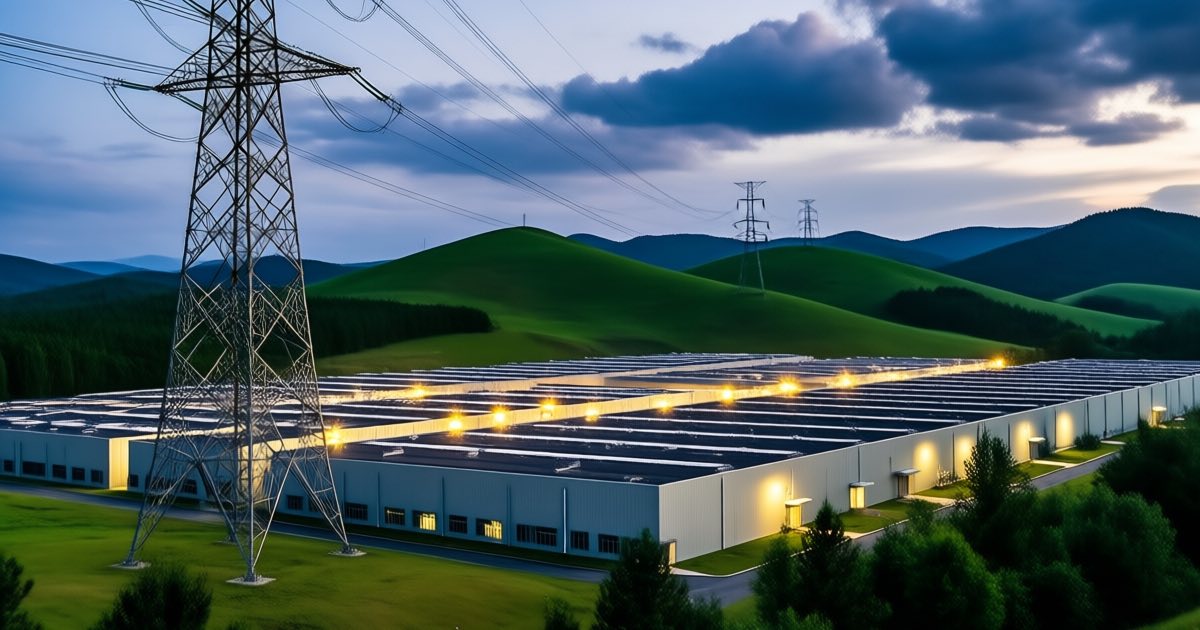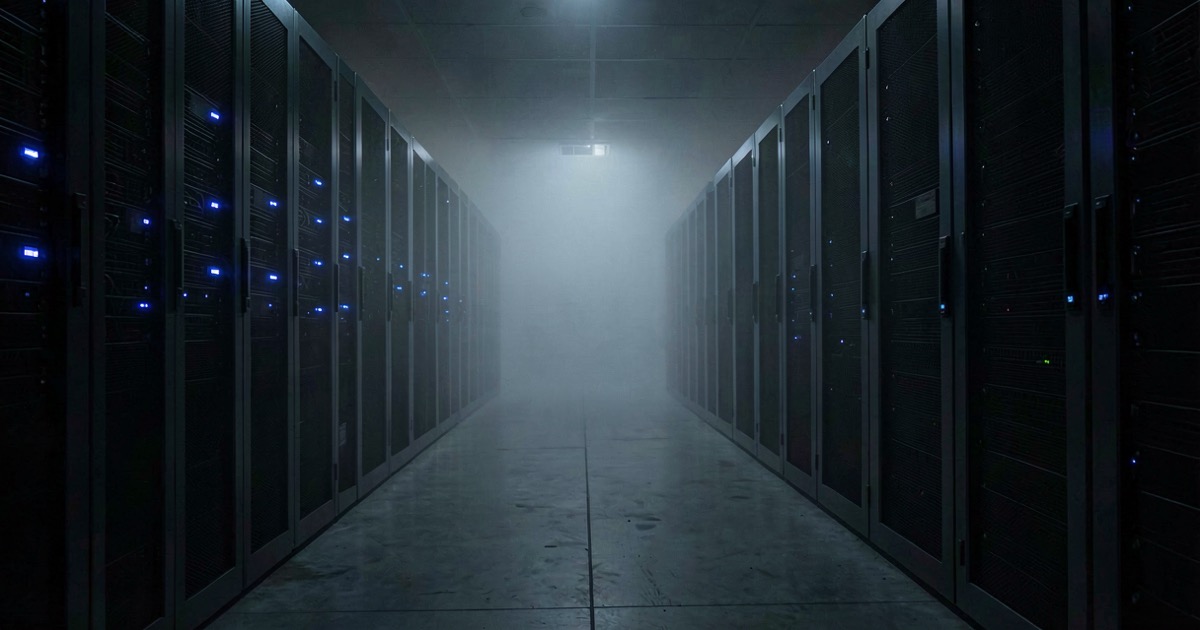
Google is capping Meta’s access to its Gemini AI model. The reason is mundane and terrifying in equal measure: there isn’t enough hardware to go around. As the Financial Times reports, Google has hit internal capacity ceilings on the accelerators behind Gemini and is now treating compute as a rationed commodity — even for a fellow Big Tech peer. Frontier AI as a cheap utility is over. Compute is the new oil, and the pumps are running dry.
🔍 THE BOTTOM LINE
The infrastructure behind the AI boom — GPUs, HBM memory, data centres, gigawatts of power — cannot keep pace with demand. Google’s throttling of Meta is one symptom of a system-wide squeeze also showing up in AWS’s 20% price hike on Nvidia compute, Apple’s price hikes (and Microsoft’s) tied to memory shortages, and the worst week for Oracle’s stock since 2001 as investors question how the AI capex bill gets paid. Downstream: rationing, price hikes, and a pivot from “biggest model wins” to “smallest model that works.”
From API Call to Allocated Resource
Treating AI access as a cheap API call made sense when the models were small and the user base was a rounding error. That math has collapsed. Multimodal systems like Gemini process text, images, audio and video simultaneously, and each query burns petaflops no current build-out can match. Google is responding as any constrained supplier would — allocating capacity to its own products first and throttling everyone else, including partners as large as Meta. The same logic drives Google’s $920M per month SpaceX compute deal and its 960K Rubin GPU buildout: when silicon is the bottleneck, vertical integration becomes survival. Chips, racks, cooling, power contracts — every layer pulled inside the hyperscaler perimeter.
The Hardware Squeeze Is Hitting Every Layer
This isn’t a GPU story. It’s a memory and power story wearing a GPU costume. High-bandwidth memory is the binding constraint on every next-generation accelerator from Nvidia, AMD and Google’s TPUs, and the same shortage is now forcing Apple and Microsoft to hike retail prices because DRAM and NAND pipelines are diverted to AI buyers paying cash. Oracle’s rout — worst equity week since the dot-com crash — is the flip side: investors pricing in the chance the AI capex cycle produces more supply than demand can absorb at current prices, before the compute is even built. AWS’s 20% hike is the clearest signal: the largest cloud in the world is openly passing scarcity costs to customers instead of absorbing them.
What It Means for Builders
For developers and startups, the practical takeaway is brutal: budgets will not get cheaper, rate limits will get tighter, and capacity planning is now a first-class engineering problem. If Google can throttle Meta, a Series A startup is a rounding error in the queue. The industry response is already visible — distillation, aggressive quantization, smaller open-weight models on commodity inference, architectures that cache aggressively instead of regenerating from scratch. The competitive question is shifting from “who has the most parameters” to “who can serve the most useful answer per joule.” A healthier question, forced by an unhealthy constraint.
❓ FAQ
Is the compute crunch temporary? No, not for the next 12–18 months. Demand scales exponentially; HBM fabs, packaging and grid-scale power all run on multi-year cycles. Expect persistent rationing, then gradual easing as 2027 capacity comes online — assuming it does.
Will Apple’s and Microsoft’s in-house silicon solve this? It mitigates their own dependency, but adds no HBM wafer or gigawatt to global supply. Custom silicon reshuffles who pays the margin; it does not expand the pool.
What is “inference” and why does it matter here? Inference is running a trained model on real user queries — every time you ask Gemini a question, that is inference. Training is expensive but episodic; inference is continuous, and it is the workload currently overwhelming capacity.
Could smaller open-source models dodge the crunch? Partly. A 7B model on a local accelerator consumes an order of magnitude less compute than a frontier multimodal system. The most realistic path for cost-sensitive use cases, at the cost of capability ceilings.
Does consolidation risk killing AI innovation? Real but not yet fatal. Three or four hyperscalers control the frontier layer; open-weight models and regional clouds still provide alternatives. If that window closes, the bottleneck becomes political as well as technical.
🔍 THE BOTTOM LINE
Compute is rationed, prices are rising, hyperscalers are pulling every layer of the stack under their own roofs. Google’s cap on Meta is not an isolated spat. It is the visible edge of a structural shift that will define the next decade of AI: whoever controls the chips, memory and gigawatts controls the product roadmap. For everyone else: build small, build efficient, and stop assuming the API keeps getting cheaper.