Norway is preparing the first national restrictions on AI glasses anywhere in the world: a temporary ban on wearing them in selected public places, announced by the government on Monday (5 October, European time). According to Ars Technica, the centre-left government will send a bill to parliament “as soon as possible” covering places such as parks, beaches, schools and kindergartens, and has tasked an expert group with designing permanent national rules to follow.
The proposal, reported in detail by The Guardian, puts the government’s reasoning in unusually plain language. “I am concerned about the introduction of powerful new technology where people risk being photographed, filmed, or recorded without their knowledge,” said Torgeir Micaelsen, Norway’s digitalisation minister. “We do not want a society where people worry about being recorded without their knowledge, photographed or filmed in places and situations where they are accustomed to not being monitored.”
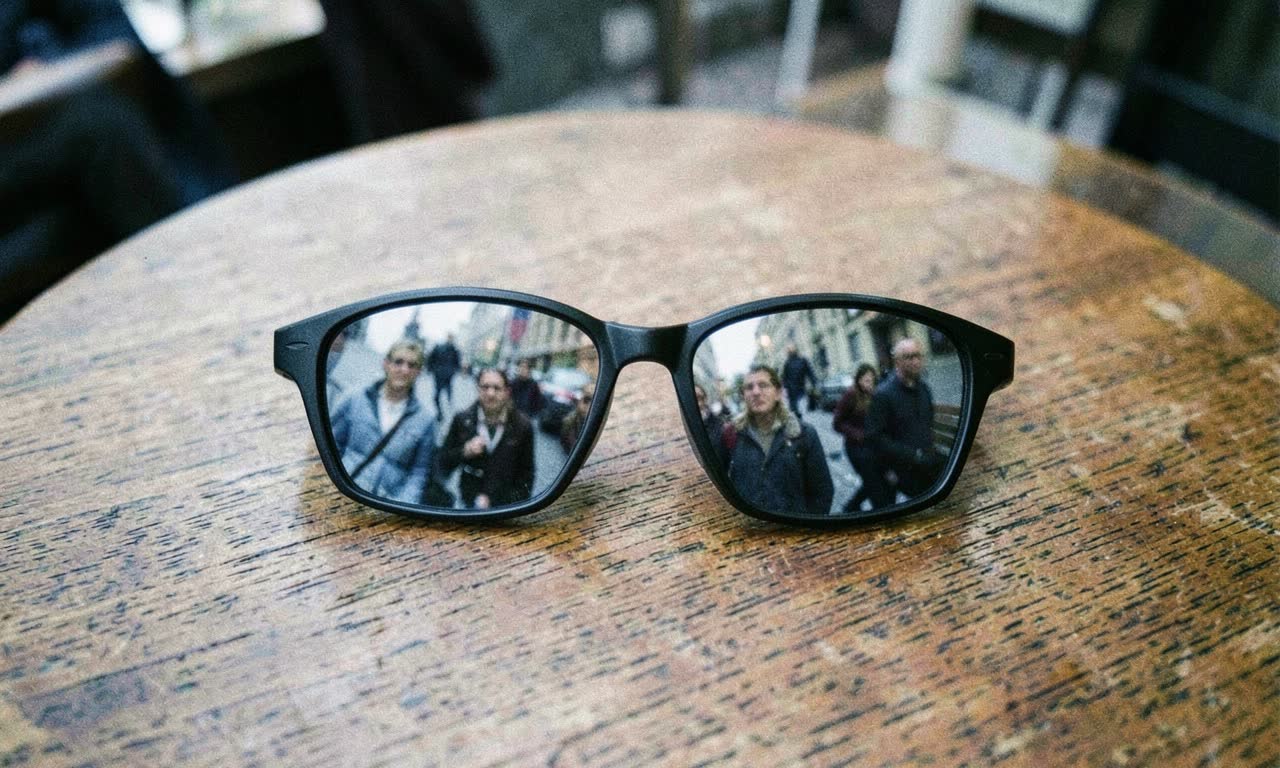
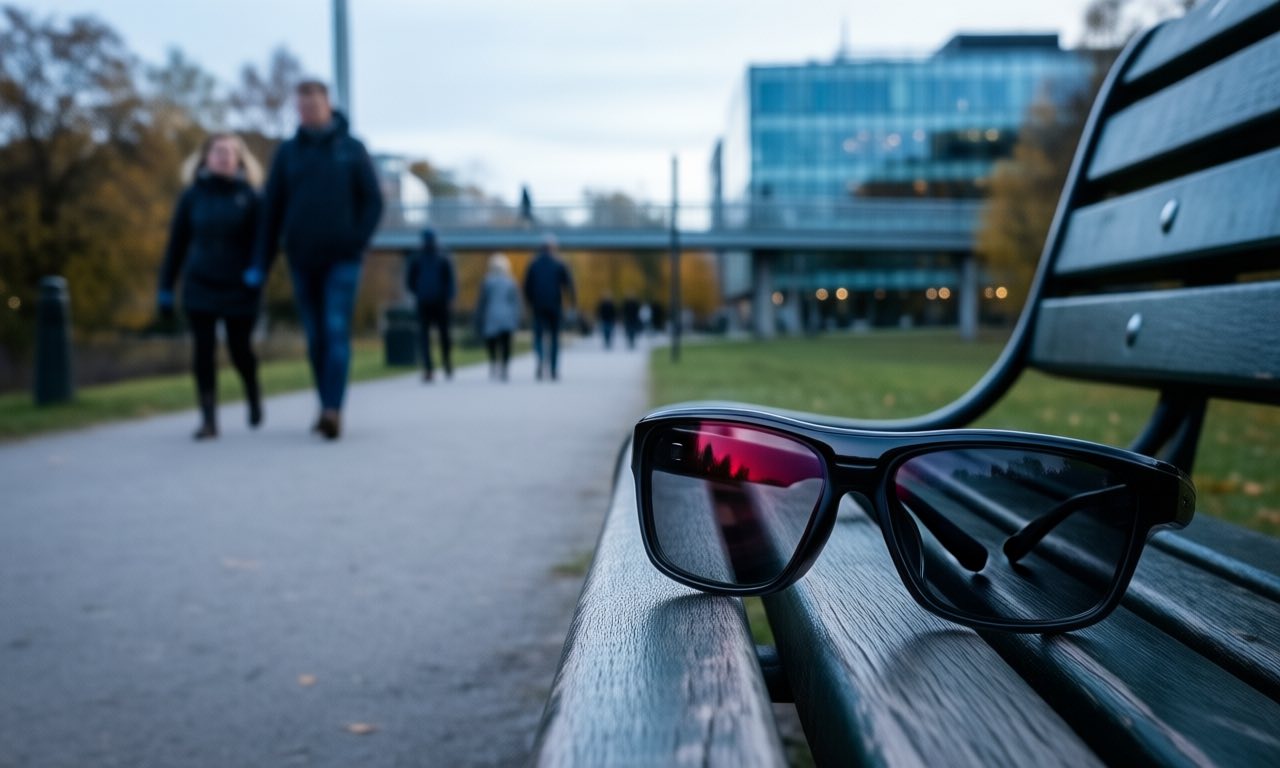
The devices at issue are the new generation of AI wearables — Meta’s Ray-Ban range and the cheaper copycats trailing it — which bundle a camera, an assistant and (in the display models) an on-lens screen into frames that look close to ordinary spectacles. Governments including Norway’s worry the glasses are already being used to film people without consent, including children and women in settings such as changing rooms.
What the ban would and would not do
The proposal is explicitly temporary: a breathing-space law, meant to hold the line on selected public places while the expert group works out where the permanent lines should fall. The Guardian notes Norway’s Labour party heads a minority government, so the bill needs support from opposition parties to pass — the parliamentary arithmetic is not settled, and the government has not published the bill text yet. A “temporary ban” framed this way is a delay on the hard questions, not an answer to them.
Norway is also not claiming its approach is fully-formed. Micaelsen’s own framing — that a temporary ban “will give us time to conduct a thorough assessment and hold an informed debate that can lay the foundation for permanent regulation” — is a minister admitting the technology outran the rulebook. That honesty is rare in tech policy, and it cuts both ways: it makes the ban easier to trust, and easier to accuse of being improvised.
Why Norway’s move matters beyond Norway
The policy question is narrower than the headline. A camera in a phone is visible — the person holding it knows what they are doing, and nearby people can usually see the gesture. A camera in eyewear inverts that: the recording can be continuous, hands-free, and invisible to everyone but the wearer. Norway’s case is not that the glasses are dangerous; it is that they delete the social signal that tells you recording is happening. That is why the response targets a device class rather than a behaviour.
The enforcement problem explains why Norway went legislative instead of administrative. If Meta-style glasses capture footage in a changing room, proving it after the fact is hard; the recording may never leave the device. A place-based ban is enforceable at the threshold — you can see the glasses even if you cannot see the recording.
New Zealand has no equivalent restriction. Our Privacy Act’s principle 4 limits collection of personal information by means that are unreasonably intrusive, and covert filming in places like changing rooms is already covered by other offence provisions — but everyday pavement recording by a wearable sits in a grey zone. The site’s earlier coverage of Meta’s smart glasses and their dormant facial-recognition pipeline showed how much capability ships in these frames, dormant, waiting for policy to catch up. Norway is the first government to try to catch up by statute. East Asian schools fighting AI-glasses exam cheating reached for device-specific rules too, but institution by institution rather than nationally.
The comparison worth watching: China regulated AI companionship by treating heavy usage itself as the harm — two-hour nudges, minor locks. Norway’s approach is the mirror image. It regulates the recording device by place, not the AI by dose. If the expert group’s permanent rules follow the same logic, expect the fight to migrate from “is this AI?” to simply “where may a camera be?” — a debate that will apply to every wearable, whatever chip powers it.
Norway’s bill still needs opposition votes, and Meta’s response will matter: the company has sold these glasses as consumer cameras with a visible recording light, and a national ban in a wealthy Western democracy is the first real test of that framing. Watch whether other EU governments — the Cyprus Mail notes Cypriot officials are already watching the debate — piggyback on Norway’s expert-group findings rather than commissioning their own.