Samsung just posted the kind of number that should make investors salivate. Its semiconductor division recorded 89.2 trillion won ($62 billion) in operating profit for the second quarter — a more than 250-fold increase from a year earlier. Revenue rose 130% to 171.5 trillion won.
The stock fell 0.5% on the news. Rival SK Hynix dropped 5.8%.
The disconnect between record profits and falling share prices is the story nobody is leading with. Samsung is printing money on AI memory chips, and the market is pricing in the end of the party.
🔍 THE BOTTOM LINE
Samsung’s actual results confirm what the July forecast promised: AI memory demand has turned its semiconductor division into a cash machine. But the same investors who drove chip stocks to record highs are now heading for the exits, even as Samsung says the shortage could run to 2028. The market is either pricing in a faster-than-expected supply response, or betting that AI infrastructure spending is approaching a ceiling. Either way, the divergence between profits and valuations is widening.
What is HBM and why does it matter?
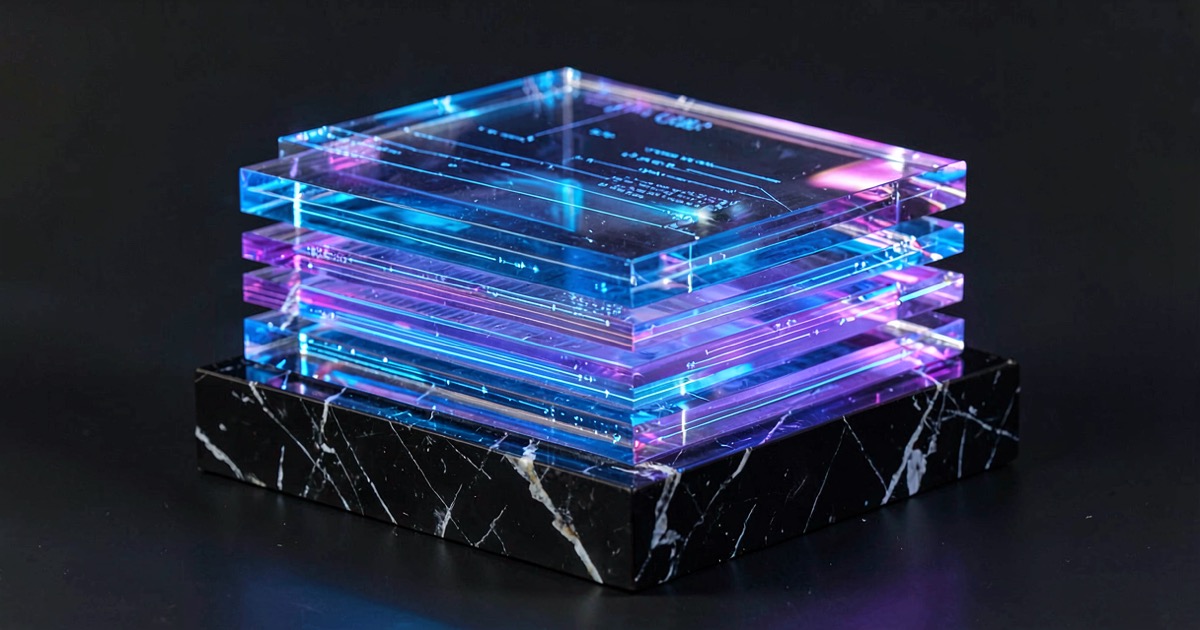
High Bandwidth Memory (HBM) is the specialised memory used in AI accelerators like Nvidia’s H100 and Vera Rubin GPUs. Unlike standard DRAM, HBM stacks memory dies vertically and connects them through advanced packaging, making it much harder to manufacture and impossible to quickly convert from commodity DRAM production. Three companies — Samsung, SK Hynix, and Micron — dominate the market. When AI labs say they can’t get enough GPUs, the bottleneck is often not the GPU chip itself but the HBM that goes on top of it.
The Numbers Behind the Surge
Samsung’s semiconductor division posted 89.2 trillion won in Q2 operating profit, Bloomberg reported. Total company operating profit was 89.5 trillion won ($61.98 billion), in line with the company’s July 7 guidance of 89.4 trillion won. Revenue hit 171.5 trillion won.
The jump wasn’t driven by a broad semiconductor recovery. Samsung’s mobile division reported a 700 billion won loss — its first quarter in the red. The entire profit engine is the memory business, specifically high-bandwidth memory (HBM) for AI data centres.
“In H2 2026, the Memory Business expects robust demand centered on servers stemming from continued AI infrastructure capex and broader adoption of agentic AI,” Samsung said in a statement. “This is projected to keep the market undersupplied, despite partial demand moderation in mobile and PCs.”
Why Investors Aren’t Buying It
The profit number is extraordinary. The market reaction is the tell.
Samsung’s shares have been sliding for weeks, part of a broader AI chip sell-off that has wiped billions from semiconductor valuations globally. SK Hynix fell 5.8% on Wednesday despite reporting bumper earnings. The Nasdaq briefly entered correction territory. The FTSE 100 hit a record high as money rotated out of tech and into non-AI sectors.
Three factors are driving the divergence:
1. The sell-off started before the earnings. Samsung’s July 7 forecast of an 1,800% profit jump was already known. The actual results merely confirmed it. Markets had already priced in the blowout quarter — and then some.
2. SK Hynix missed expectations. SK Hynix reported strong Q2 results but fell short of lofty investor forecasts, and said it would raise capital spending by roughly 50% to meet AI demand. More spending on supply means the shortage may not last as long as Samsung projects.
3. The China question. Chinese memory makers like CXMT are expanding aggressively, backed by state capital. If Chinese supply enters the market faster than expected, the pricing power Samsung currently enjoys could erode — regardless of whether demand stays strong.
The 2028 Shortage Claim
Samsung’s statement that supply will remain tight is backed by customer behaviour. According to Goldman Sachs analysis, customers are signing longer agreements with prepayments, volume commitments, and penalty clauses. Micron has told investors its high-bandwidth memory supply is committed well ahead of shipment.
Those contract terms suggest buyers believe the shortage is real and durable. But the stock market — which looks forward, not backward — is pricing in something different. The bet appears to be that supply will catch up faster than the 2028 timeline, or that AI spending growth will plateau before then.
The NZ Angle
New Zealand has no domestic semiconductor manufacturing, but the HBM shortage has downstream effects. AI cloud services consumed by NZ businesses — through AWS, Azure, Google Cloud, and direct API access to OpenAI and Anthropic — are priced based on GPU availability. When HBM is scarce, GPU supply tightens, and inference costs rise.
The Datagrid data centre in Invercargill is being built partly to provide local AI compute capacity that reduces dependence on overseas cloud pricing. If Samsung’s 2028 shortage forecast holds, that local infrastructure play looks more strategic. If the shortage eases sooner, the economics of local AI compute become less compelling.
❓ FAQ
Is Samsung’s 250-fold profit increase sustainable? Samsung says demand will stay strong through H2 2026 at minimum, with the market remaining undersupplied. However, SK Hynix is raising capital spending 50%, and Chinese manufacturers are expanding. The 250-fold jump is from a very low base — the comparable quarter a year earlier saw minimal chip profit. Future quarters won’t show the same percentage growth even if profits stay high.
Why did the stock fall on record profits? The profit was already expected — Samsung pre-announced the guidance on July 7. Markets had priced in the blowout. The actual confirmation didn’t add new information, and SK Hynix’s earnings miss and capex increase raised concerns about future supply and pricing.
What does HBM4 mean for Samsung? Samsung’s first-quarter results included the first mass production sales of HBM4 and SOCAMM2 for Nvidia’s Vera Rubin platform. HBM4 is the next generation of high-bandwidth memory, and being first to mass production gives Samsung a position in the most advanced AI accelerators currently shipping.
Could Chinese chipmakers break Samsung’s pricing power? CXMT and other Chinese manufacturers are expanding rapidly, but HBM is technologically harder to produce than standard DRAM. Samsung, SK Hynix, and Micron still dominate the HBM market. The question is whether Chinese firms can close the technology gap before the current shortage cycle ends.
🔍 THE BOTTOM LINE
Samsung’s 250-fold profit jump is real, confirmed, and driven by a genuine structural shortage in AI memory. The company says it lasts through 2028. The market says it ends sooner. One of them is wrong. The answer determines not just Samsung’s valuation but the economics of every AI service built on top of the chips it sells.