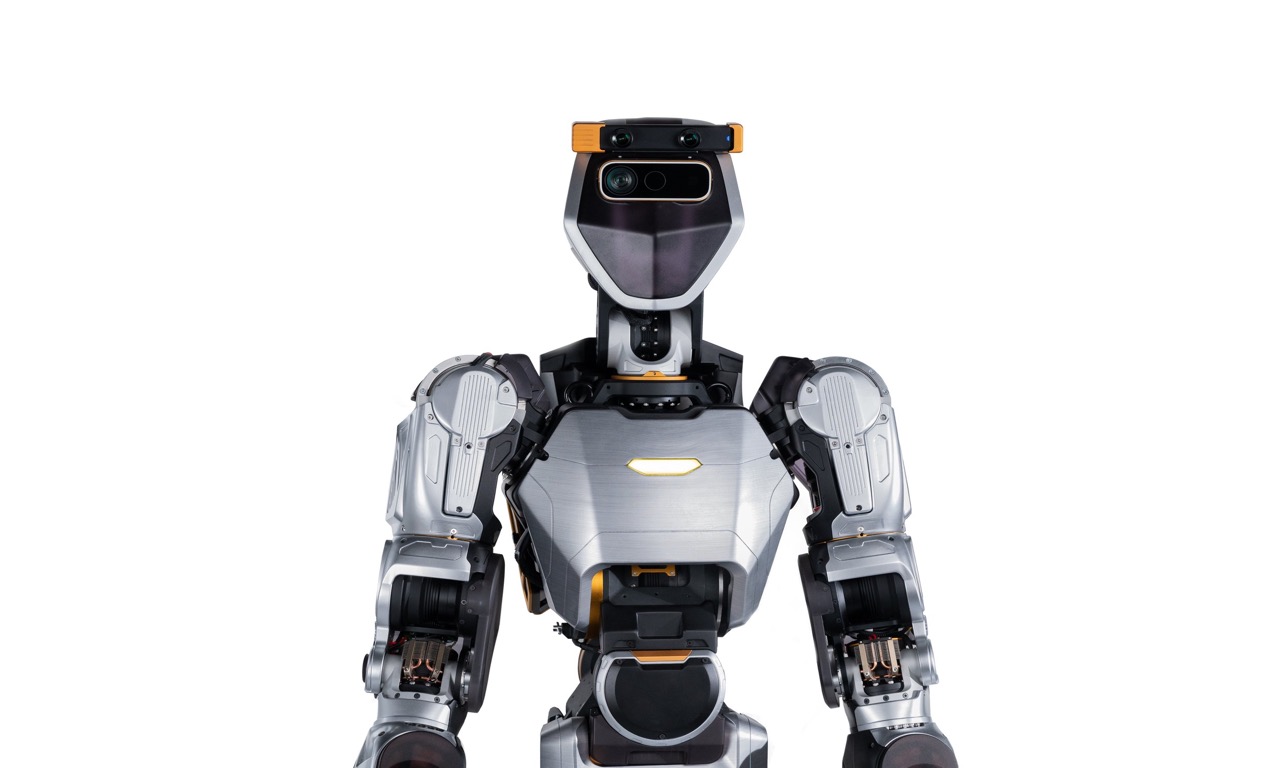
Sanctuary AI
Cognitive architecture first. Phoenix is a brain with a body, not a body looking for a brain.
Key Specifications
Latest Developments
Sanctuary AI's approach sets it apart from the hardware-first competition.
Sanctuary unveiled a new generation of tactile sensors for Phoenix — micro-barometer-based finger pads sensitive to 5 millinewtons, close to the ~3 mN of human skin — paired with haptic servoing for manipulation when vision is occluded (blind picking, slippage detection), per its announcements and The Robot Report. The company is also licensing its Carbon AI cognitive stack separately from Phoenix hardware, according to Forbes — positioning robot brains as a product factories can buy before they buy robots.
Phoenix Gen 7 shipped with MCP-style tool calling for industrial automation — a significant step toward real-world enterprise deployment.
Carbon control stack upgraded for enterprise integration, giving industrial customers fine-grained control over the robot's cognitive architecture.
CEO James Wells predicts home deployment in 3-7 years, reflecting the long timeline of the cognitive-first approach.
Focused on cognitive architecture over hardware speed. Carbon aims to replicate human-like intelligence for physical tasks, rather than optimising for a narrow use case.
Timeline
Focus Areas
Cognitive Architecture
Building a general-purpose AI brain first, then putting it in a humanoid body. Every other robotics company starts with hardware and builds software on top. Sanctuary is reversing the order.
Industrial Automation
Current deployment focus is industrial settings where general-purpose dexterity can replace multiple specialised machines. MCP-style tool calling allows integration with existing enterprise systems.
General-Purpose AI
Carbon aims for a single system capable of every physical task, rather than optimised for specific movements. This is harder but more scalable long-term.
Home Deployment
Long-term vision of Phoenix in every home, but the company is honest about the timeline. CEO Wells' 3-7 year estimate reflects the gap between enterprise capability and consumer readiness.
Why It Matters
Sanctuary AI is taking the hardest path: build a general-purpose AI brain first, then put it in a robot body. Everyone else optimises hardware for specific tasks. Sanctuary wants a single system that can do everything. It's the right long-term bet, but it means they're on a different timeline than the factory-first competitors.
Phoenix Gen 7's MCP-style tool calling is a sign they're thinking about enterprise integration — they know homes are years away. The cognitive-first approach is either visionary or too early, depending on how quickly the rest of the robotics industry catches up.
The hardest path is often the only one worth taking.