Robots
Humanoids in factories, then homes. The physical world meets AGI. And it's happening faster than most people realise.
Why now? The bottleneck broke
Robot hardware has been viable for a decade. The missing piece was the brain. Now it's here.
The hardware for general-purpose humanoid robots has existed in prototype form for years. Boston Dynamics was doing parkour in 2020. But a robot that can move is different from a robot that can understand — that can look at a cluttered room, identify a task, plan the sequence, and execute it without crashing into things or people.
That's what changed. Vision models gave robots eyes. Language models gave them comprehension. Planning systems let them chain actions. Simulation training let them practice millions of hours in virtual environments. The robot bodies that existed as demonstrations are now becoming products because the software finally caught up.
The convergence of foundation model breakthroughs with mature hardware is the story of 2025-2027. It's bigger than any single company.
The numbers
The economics matter more than the technology. A humanoid robot at $20K that can work 20 hours a day has a payback period under a year in almost any industrial setting. At that price, adoption isn't a question of if — it's a question of manufacturing capacity.
The players
It's not just one company. There's a genuine race across at least a dozen serious efforts. 2026 was the year humanoids went from prototype promises to production lines, factory floors, and even first homes.
Tesla Optimus
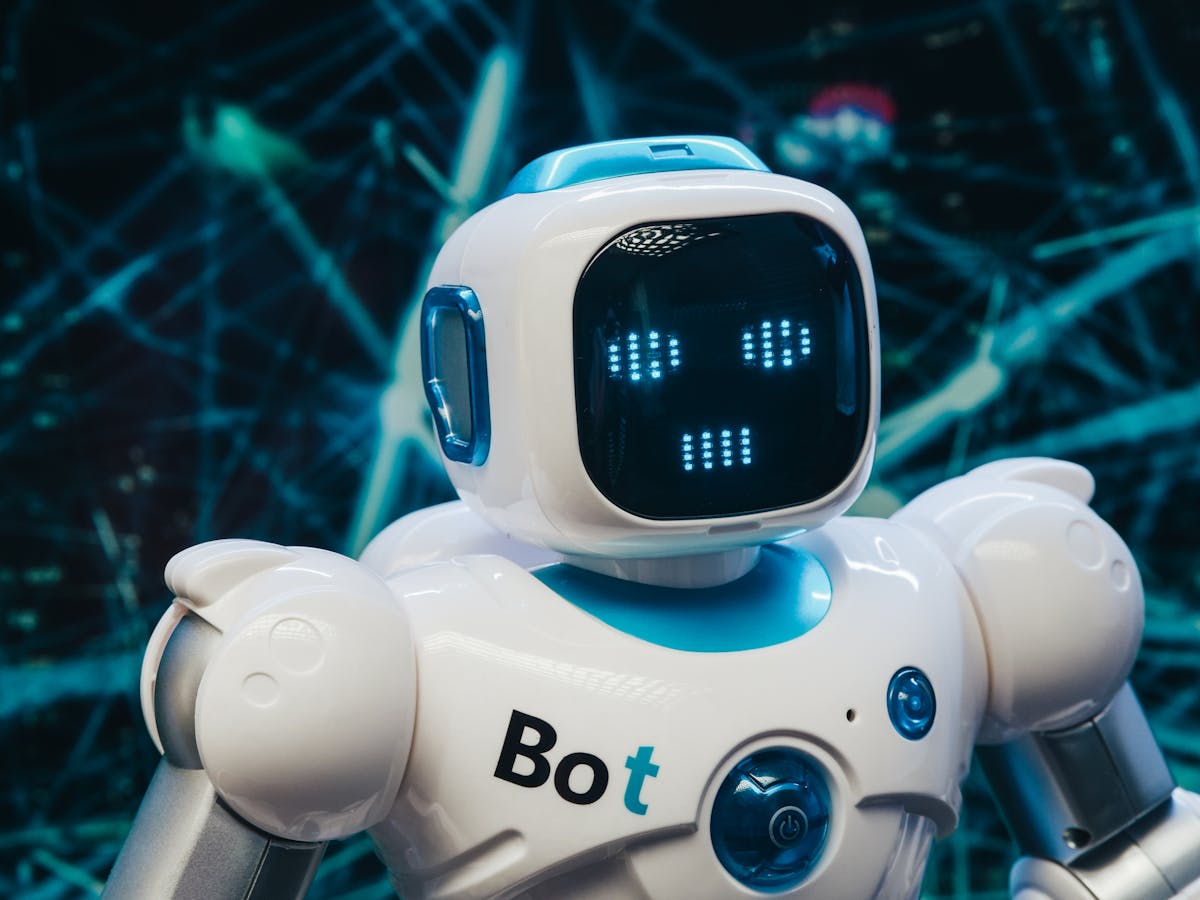
Elon Musk's bet on a mass-produced humanoid for factory work, then domestic use. Production officially begins at Fremont in mid-2026, converting former Model S/X lines to Optimus assembly. Gen 3 expected later this year. Tesla claims a 1 million unit annual target. The most ambitious production ramp in the space — and the most polarising.
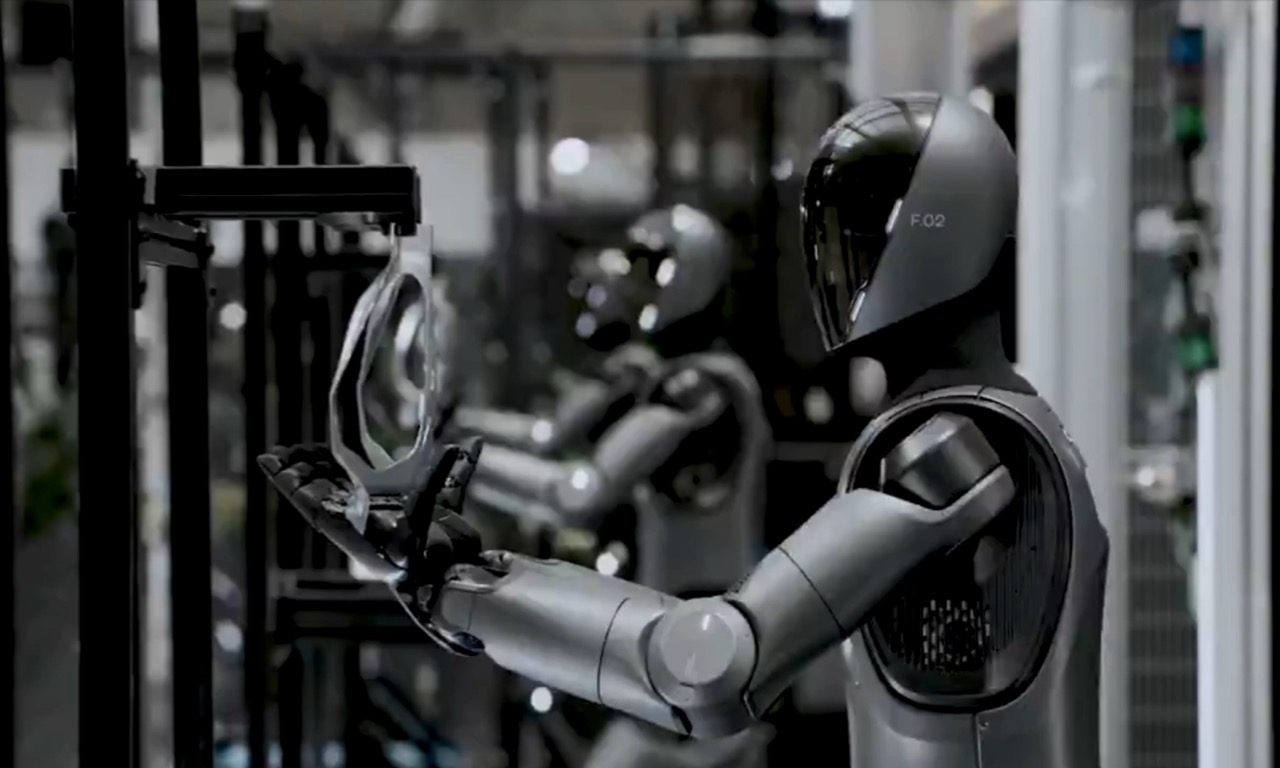
Figure AI
Backed by Microsoft, OpenAI, Jeff Bezos, and NVIDIA. Figure 02 robots produced 30,000 cars at BMW Plant Spartanburg in an 11-month deployment. Figure 03 launched with a sleeker form factor. BotQ factory now ramping high-volume production. The closest thing to a production-ready humanoid with proven industrial ROI.
1X Technologies
Norwegian company backed by OpenAI. Opened America's first vertically integrated humanoid factory in Hayward, CA (April 2026) with 10,000 Neo units annual capacity. Consumer shipments planned for 2026. Focused on home environments — safety and gentle interaction over raw industrial capability. The most credible "home robot" play, now in production.
Unitree
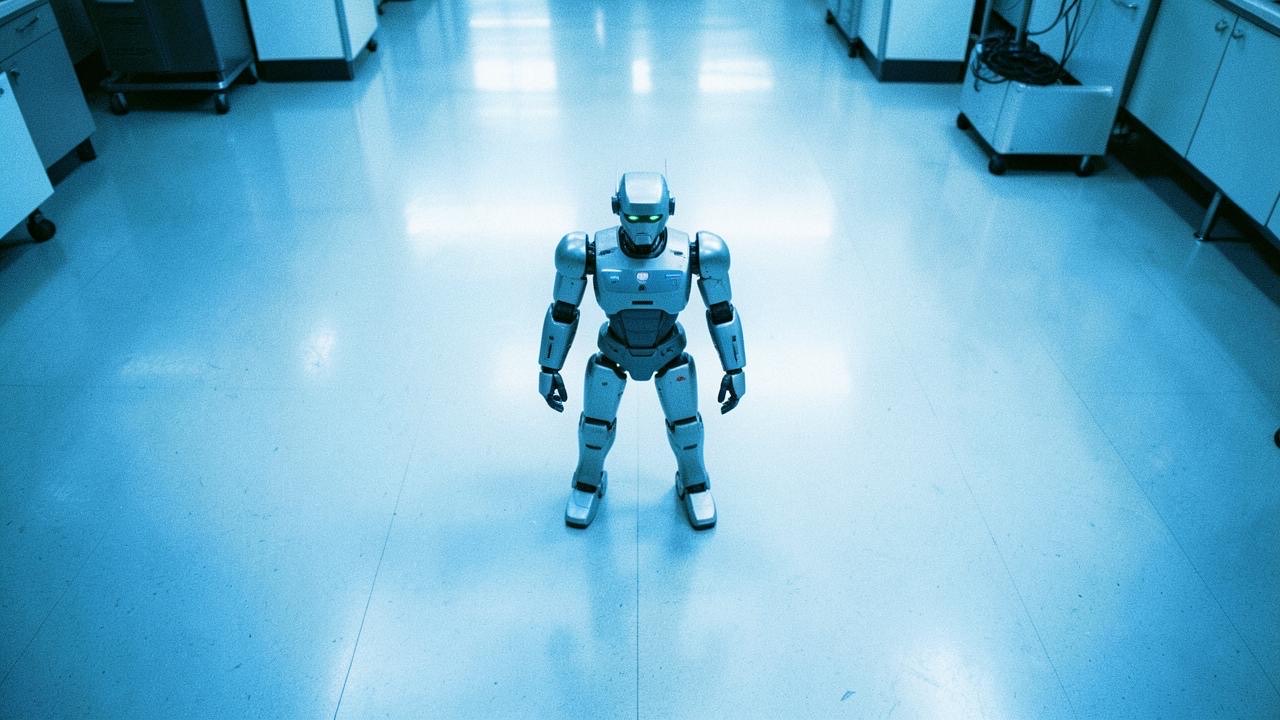
Chinese robotics company that disrupted the market with the G1 humanoid at $13.5K — far below any competitor. Already shipping units at scale. Now faces US import scrutiny under Section 232 review of Chinese humanoid imports. Quality concerns remain, but the price pressure is reshaping the entire industry. The "Android of humanoids" — cheap enough to experiment with at scale.
Boston Dynamics
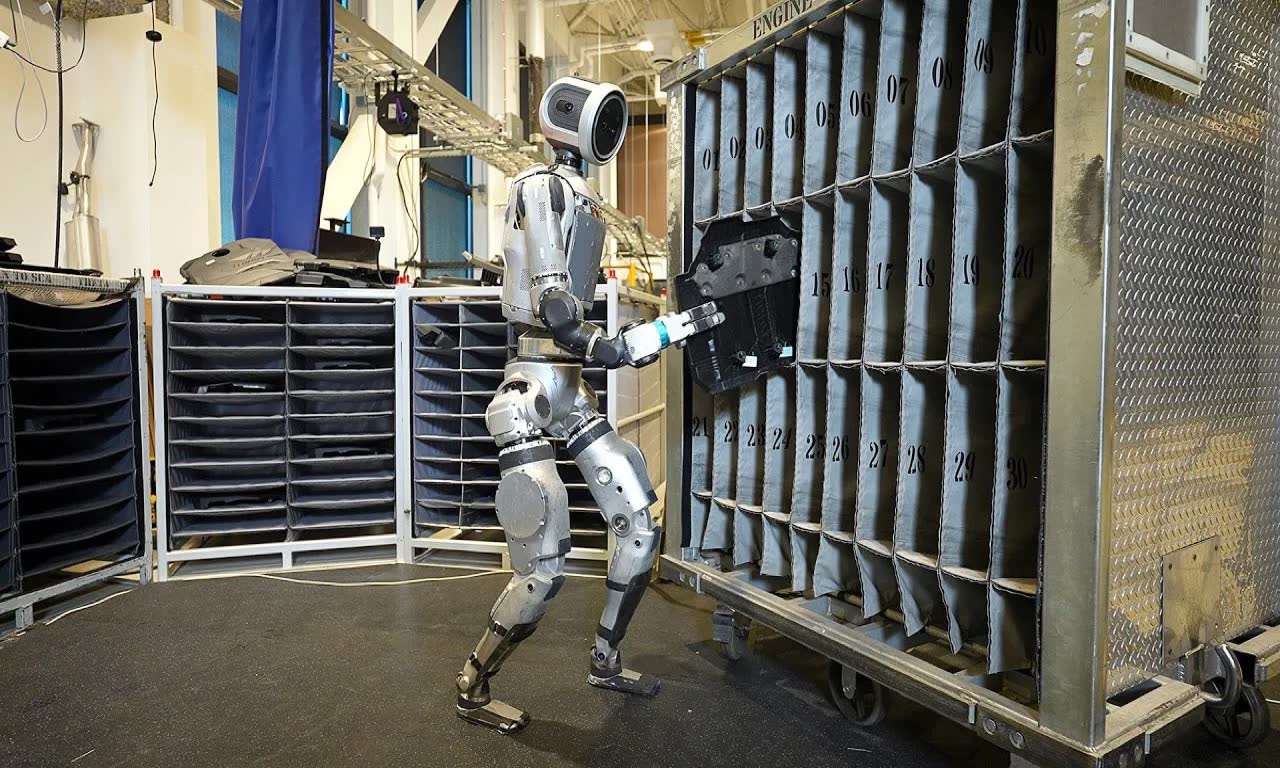
The iconic robotics company unveiled a commercial all-electric Atlas at CES 2026, with Hyundai and Google as first deployment partners. Manufacturing product version now in production. Still the benchmark for mobility and agility, but their 2028 timeline for Hyundai factory integration lags competitors on commercial speed.
Agility Robotics
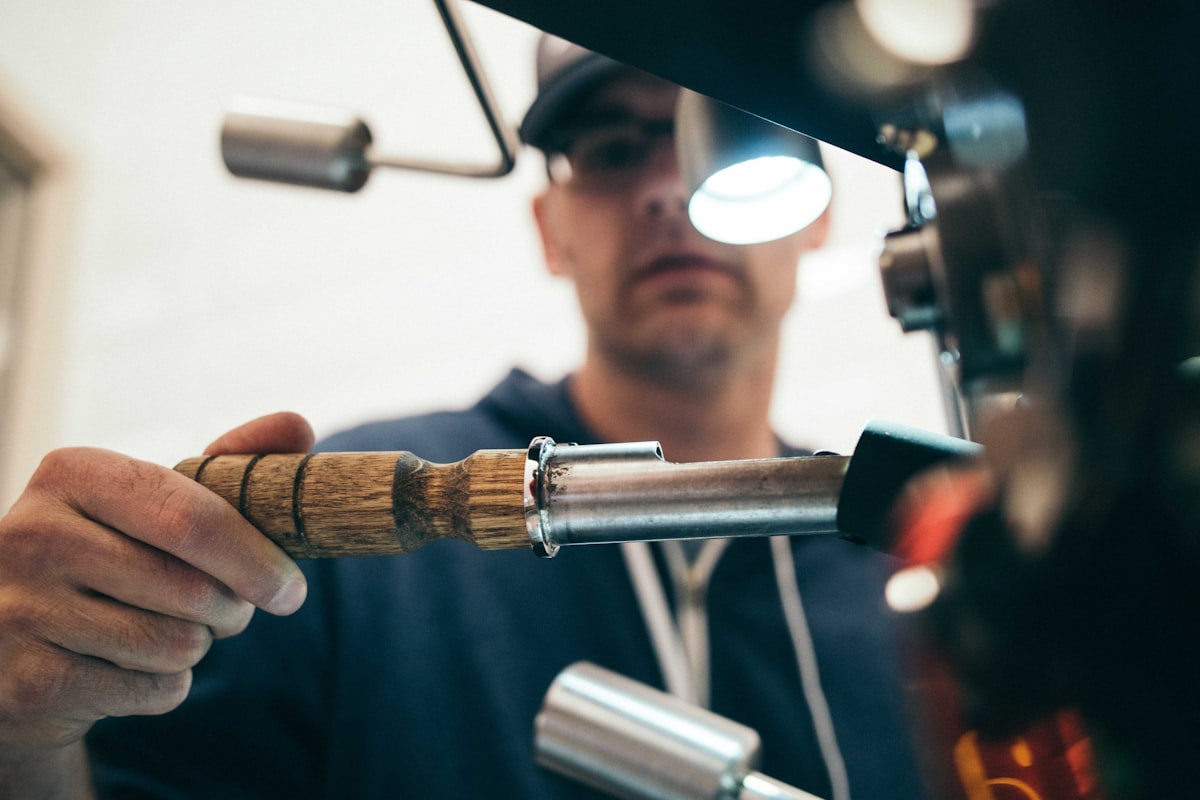
Digit is now the most commercially deployed humanoid — 75 units operating at Amazon's Spanaway, WA fulfillment center. Over 100,000 totes moved in commercial operation. First revenue-generating bipedal humanoid in warehouses. Proving the business case works at scale.
Apptronik
NASA-spun humanoid startup that raised $520M at a $5B valuation in 2026, backed by Google. Apollo humanoids being tested with Mercedes-Benz. Signed executive talent from Waymo, Boston Dynamics, and Amazon. Quietly building the most enterprise-grade humanoid program outside the splashy names.
Sanctuary AI
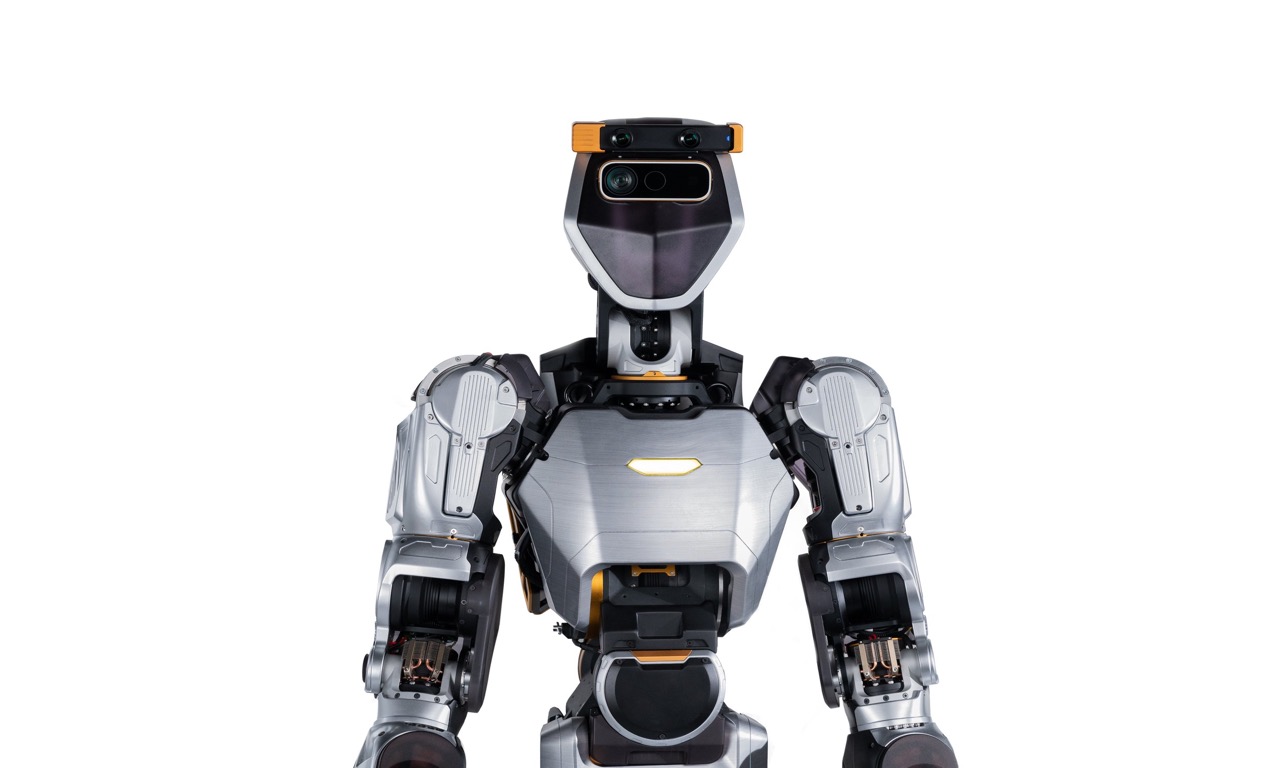
Canadian company shipping Phoenix Gen 7 with a upgraded Carbon control stack that adds MCP-style tool calling for industrial automation. CEO predicts home deployment in 3-7 years. Their bet on cognitive architecture over hardware speed puts them on a different timeline than the factory-first competitors.
Japanese Giants
Toyota, Honda, and Sony maintain advanced robotics programs. Japan's aging demographics make humanoid robots a national priority. Less public about timelines than US/Chinese competitors, but their deep expertise in hardware engineering and precision manufacturing means they could scale fast when they decide to move.
Where they start
Manufacturing
Car factories are the natural entry point. Structured environments, repetitive tasks, high labour costs. Tesla plans to deploy Optimus in its own factories first. BMW is already testing Figure robots on production lines. The ROI is clear: a robot that works through breaks and shifts costs less than a human over 3 years.
Warehousing and logistics
Amazon, FedEx, DHL — the warehouse giants are the biggest customers. Moving boxes, sorting parcels, restocking shelves. Lower complexity than manufacturing, higher volume. Agility Robotics' Digit is already being tested in Amazon facilities. This is the proving ground where reliability gets hammered out.
Healthcare and aged care
Patient transfer, equipment delivery, cleaning, monitoring. High labour shortage, high demand, high willingness to pay. The demographic crisis in aged care makes this an urgent application. Japan is already deploying robots in elder care facilities. The rest of the world will follow as populations age.
Homes
The hardest problem, the biggest market. Laundry, dishes, cleaning, cooking — the tasks that consume hours of human life every week. Home environments are unstructured, unpredictable, and unforgiving of mistakes. This is 2030 territory, but the groundwork is being laid now. 1X's focus on safe, gentle interaction is designed specifically for this.
Timeline
From pilot to mass deployment. The path is clearer than most people think.
What's still hard
Hardware durability
Human bodies are remarkably efficient and resilient. A humanoid robot running for 8 hours consumes significant power. Joints wear out. Motors overheat. The mechanical reliability required for 24/7 industrial operation is substantially higher than any prototype has achieved.
Manipulation at human level
Picking up a pen off a cluttered desk. Folding a fitted sheet. Opening a jar with the right grip force. These are trivial for humans, extremely difficult for robots. Dexterous manipulation is the last great robotics challenge, and solving it is essential for home applications.
Safety and trust
A 70kg machine operating near humans requires extraordinary safety engineering. One malfunction, one misjudged movement, one software bug in the wrong context — and someone gets hurt. Building trust takes years of incident-free operation. One high-profile accident could set the industry back significantly.
Manufacturing at scale
Producing millions of humanoid robots requires manufacturing capacity that doesn't exist yet. The supply chain for precision actuators, sensors, and batteries at this volume needs to be built from scratch. Every component is a bottleneck until the ecosystem matures.
What it means
The robotisation of physical labour is happening alongside the AI-isation of knowledge work. Both pillars of the economy transform simultaneously.
Blue-collar automation hits alongside white-collar automation. The physical trades — plumbing, electrical, construction — are safer longer, but not forever. Manufacturing employment, already decimated in developed economies, faces another compression.
But there's another side: elder care robots address the demographic crisis. Construction robots could help solve housing shortages. Agricultural robots could reduce food costs. The same technology that displaces workers can also fill critical labour gaps in understaffed industries.
The bottom line
The robot race is real, it's competitive, and it's moving faster than the public conversation reflects. The technology is crossing from "impressive demo" to "useful product" in the 2025-27 window. The implications for labour, housing, elder care, and the structure of physical work are as significant as anything happening in pure AI.
The physical world gets intelligent. The changes start in factories. They end everywhere.