Japanese Giants
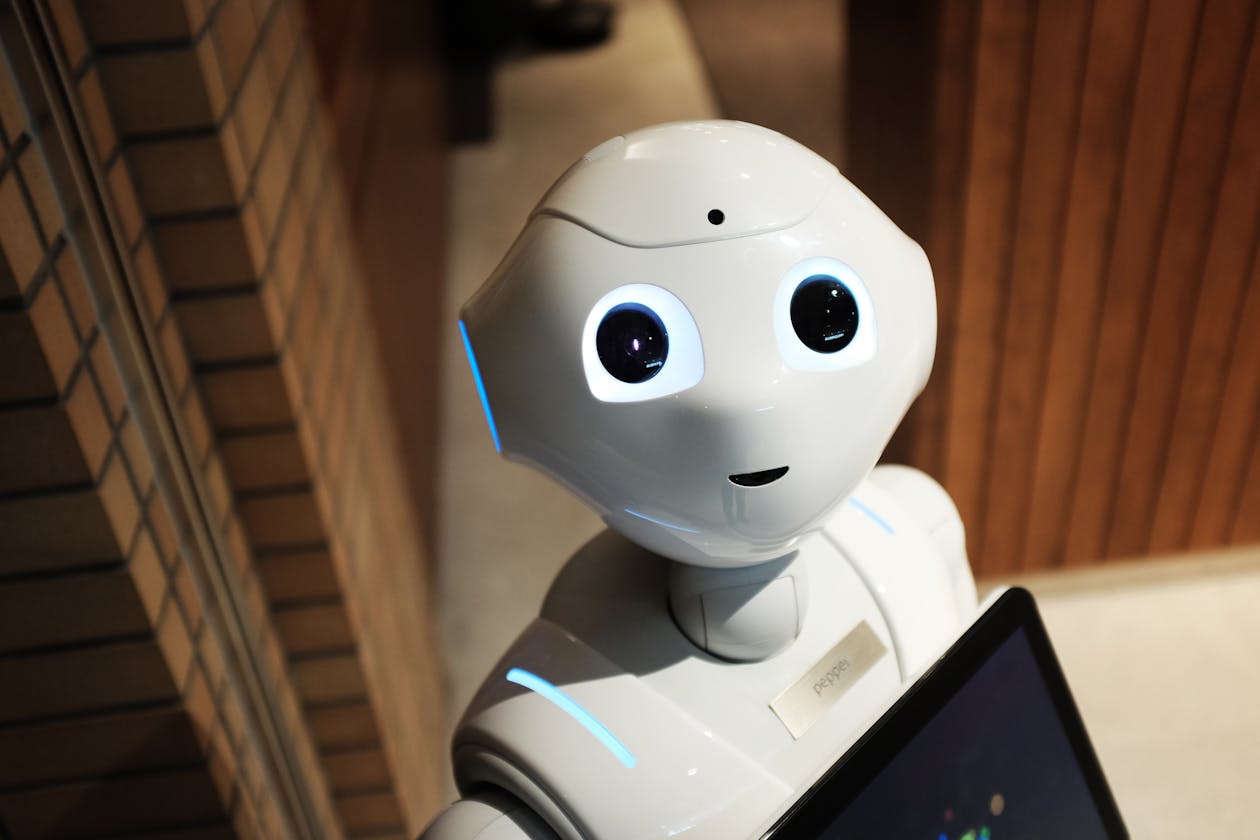
Toyota, Honda, and Sony have been building humanoids for decades. Japan's aging demographics — the oldest population on Earth — make humanoid robots a national strategic priority.
Overview
Japan's robotics legacy runs deep. But their approach is different from the West — and it might be smarter.
Japan has been building humanoid robots longer than anyone. Honda's ASIMO debuted in 2000. Sony's QRIO was dancing in 2003. Toyota's running humanoid robot was doing 7 km/h in 2004. For two decades, these were the most advanced humanoids in the world — and the most famous.
Then the Western wave hit. Boston Dynamics did parkour. Figure proved ROI. Tesla promised mass production. And Japan, for a moment, seemed to fall behind. But that misses the point: Japan's robotics programs have always been long-term bets, not startup sprints. They're funded by giant industrial conglomerates with 50-year planning horizons. They don't need to raise venture capital or post quarterly progress.
And the demographic imperative is real. Japan's population is projected to shrink from 125 million to under 100 million by 2050. Over 30% of the population is over 65. There literally aren't enough young people to do all the work. Humanoid robots aren't a commercial opportunity in Japan — they're a national necessity.
The question isn't whether Japan can build humanoids. They've been doing it for decades. The question is whether they can shift from research programs to deployed products before the demographic crisis hits peak severity.
Toyota
The world's largest automaker has been working on humanoids since the 2000s, and their focus on "soft robotics" and eldercare could be exactly right for the coming wave.
The 400,000-robot plan now has hard numbers: from 2028 the Toyota group will invest about ¥1 trillion (~US$6.4B) every year upgrading factories for a 400,000-robot global workforce — including AI-powered humanoids that learn the skills of veteran workers — according to Nikkei Asia and Automotive News. Toyota says the push complements workers, not replaces them; Ars Technica reports employees are already training the humanoids. Separately, the group employs Agility's Digit at its Woodstock, Ontario plant helping build RAV4s.
Toyota plans to introduce 400,000 in-house-developed humanoid robots at production sites worldwide as factories are upgraded, according to Nikkei Asia — part of a push toward factories where people and robots work side by side. The same report showcases ELEY, a new robot with two-fingered arms that learns tasks from employees and helps train new workers.
Toyota's running humanoid robot was a marvel of dynamic control. Capable of 7 km/h running, it demonstrated Toyota's expertise in precision motion control learned from auto manufacturing.
Toyota pivoted toward assistive robotics for the elderly. Their Human Support Robot (HSR) and Walking Assist devices are closer to home deployment than most Western humanoids. The focus is on practical, limited assistance rather than general-purpose humanoids.
Toyota's factory robotics and AI expertise from automotive manufacturing gives them a foundation for scaling when they decide to move. Deep expertise in reliability, quality control, and production engineering.
Honda
Honda's ASIMO was the most famous humanoid robot in the world for over a decade. Then it quietly disappeared.
ASIMO walked, ran, climbed stairs, recognized faces, and shook hands. It was the public face of humanoid robotics for a generation. Honda invested billions in R&D and created the benchmark that every modern humanoid is measured against.
In 2018, Honda stopped ASIMO development. The company said it was shifting focus to "more practical applications" of the technology — the balance and mobility systems found their way into Honda's motorcycle stability control and exoskeleton research.
ASIMO's technology lives on in Honda's mobility research, but the company hasn't announced a new humanoid program. The question is whether Honda returns to the space with a commercially-focused humanoid now that the market is real.
Sony
Sony never stopped making robots. They just got quiet about it.
Sony's QRIO humanoid danced, sang, and interacted with people in ways that were astonishing for the time. Sony killed the project in 2006 after the robotics division was restructured, but the R&D DNA remains.
Sony's robot dog Aibo (1999-2006, relaunched 2018) proves Sony is still committed to robotics. Aibo has evolved into a sophisticated AI platform with cloud-connected learning, emotional expression, and home integration.
Sony's strengths in sensors (image sensors power most phones), entertainment IP, and consumer electronics give it a unique position. If Sony returns to humanoids, expect something beautiful, expensive, and deeply integrated with Sony's ecosystem.
Why It Matters
Japan's humanoid legacy is deeper than any other country's. But they've been playing a different game — research, demonstrations, long-term R&D — while the West and China race to deploy. The Japanese approach has advantages: patient capital, world-class hardware engineering, and a national demographic crisis that creates genuine demand.
The risk is that Japan's cautious, consensus-driven approach leads to a permanent gap. The West and China are shipping hardware now, learning from real deployments, improving. Japan's programs remain mostly in labs. When the demographic crisis hits peak severity in the 2030s, Japan might need humanoids urgently — and find they're importing them from China or California.
Japan built the foundation of humanoid robotics. Whether they build the future of it depends on whether they can turn research heritage into product reality.