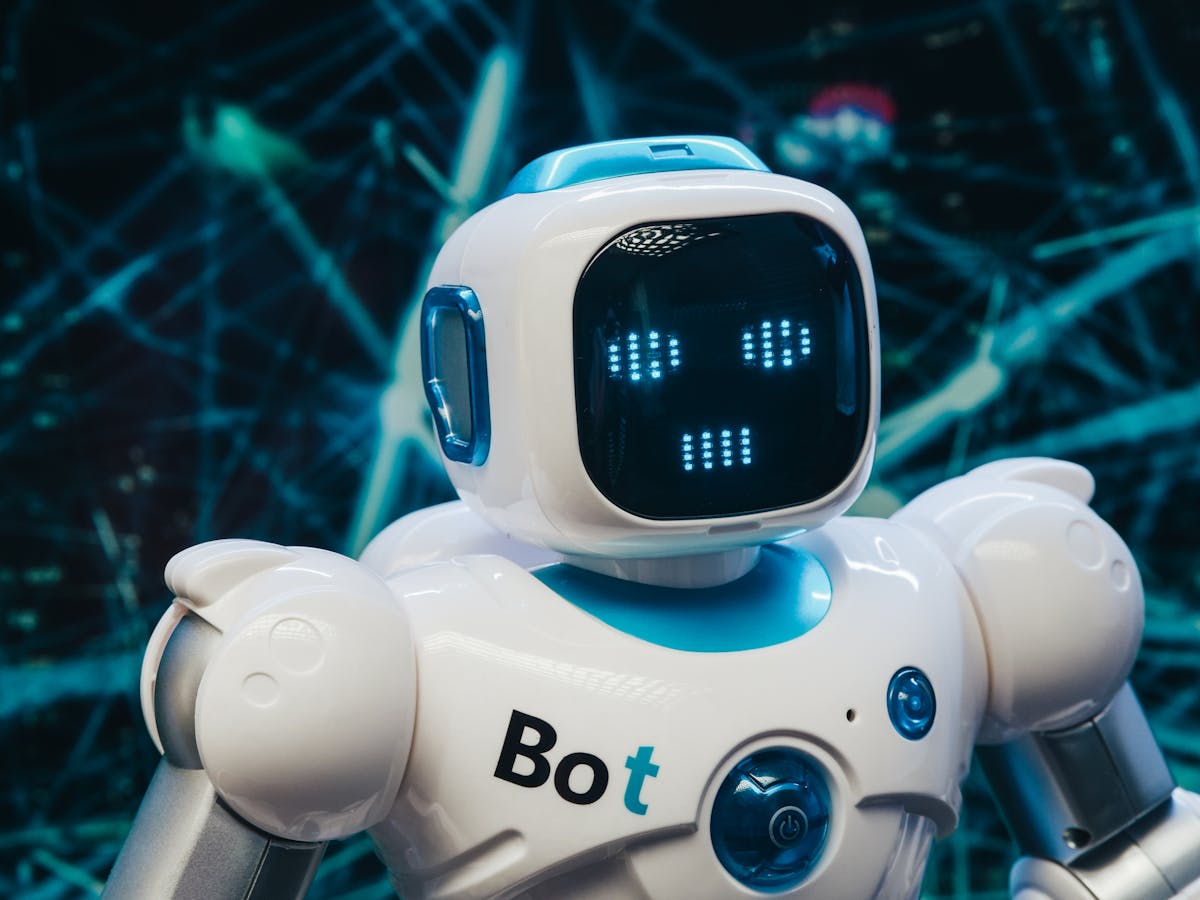
Tesla Optimus
From electric cars to electric humans. Tesla completed its last Model S and Model X in May 2026 — the Fremont factory now belongs to Optimus.
Key Specs
Gen-3 specifications, current as of May 2026.
Latest Developments
Everything changed in May 2026. Here's what's happening now.
Musk says Tesla halved AI5 chip memory to 72 GB and AI6 to 144 GB to hit Optimus production volumes, with performance allegedly unaffected in the robot's brain, per wccftech and TeslaNorth — a memory-cost trade he framed as Optimus-specific.
Tesla locked in $30 billion in new credit lines to scale Cybercab, Optimus and Semi, per TechCrunch and Investor's Business Daily — core-capital backing for the robot ramp. Separately, coverage points to the Giga Texas Optimus factory's steel frame being near complete this month.
Optimus output is up roughly tenfold in recent months to several hundred robots a week — but the hands are the bottleneck: complex assembly, supplier constraints and automated-equipment failures stand between Tesla and its 1,000/week year-end target, per The Information, The Verge and Gizmodo.
Tesla's Android app briefly exposed the first look at Optimus Gen 3 — design files labelled "gen3" extracted by Tesla community member @wholemars showed a cleaner, factory-ready robot next to Gen 2.5: matte black lower-leg fairings, sealed torso-thigh joints, tightly fitted panels and more refined 22-DOF hands, per Teslarati. No official reveal date has been set; the Roadster event on October 1 is expected to double as Tesla's next big showcase, with Optimus widely reported as the real story to watch.
Musk has reiterated that Optimus ships to commercial customers in 2027, per coverage by The Motley Fool and IBTimes — with supply-chain reports pointing to about 1,000 units/week by end of September and 2,500/week by year-end. Meanwhile Korean media (BusinessKorea, Sedaily) report Samsung has started trial production of Tesla's AI5 chip at its Taylor, Texas fab — the silicon intended as Gen 3's brain, though neither company has officially confirmed it.
Tesla has placed its first volume production order for Optimus — roughly 5,000 units, according to Jiemian News and supply-chain vendors — part of a push toward 15,000 robots by end-2026, with weekly output targeted at about 1,000 by year-end. Comes as XPeng's IRON enters automated production.
Optimus has entered production at Fremont, according to a Motley Fool report — the line built on the old Model S/X footprint. Musk cautions the initial "S-curve" ramp will be "flat and long", with Fremont serving as the manufacturing template before Giga Texas scales up.
Tesla completes its last Model S and Model X at Fremont. The factory line is retooled for Optimus production — the first time a car factory converts to robot manufacturing.
Musk confirms Optimus Gen-3 enters mass production. Targeting 1 million units annually. The ramp is unprecedented in robotics.
Production begins at Fremont. Gen-3 expected to be revealed — the production-ready version with improved dexterity, battery life, and AI.
Robots learn by mimicking humans. Tesla workers demonstrate tasks, AI learns from demonstrations. Leveraging Tesla's existing AI infrastructure from self-driving development.
Timeline
Focus Areas
Manufacturing
Tesla factories first — the perfect training ground with real-world tasks, controlled environments, and endless use cases.
Dangerous tasks
Repetitive, hazardous, physically demanding jobs that humans shouldn't be doing. First deployment wave.
Home assistance
Long-term goal. Musk envisions Optimus as a domestic robot — cleaning, cooking, childcare. Not until cost drops significantly.
Elder care
Societal need as populations age. But the regulatory and safety requirements for human interaction make this a later-stage market.
Why It Matters
Tesla has two advantages that no competitor can match: manufacturing scale (they already build millions of robots called cars) and vertical integration (motors, batteries, AI, all in-house). The decision to convert the Fremont Model S/X line to Optimus is a signal — Tesla is betting the company's future on robots being bigger than cars.
The 1 million unit target sounds absurd until you remember Tesla has built over 5 million vehicles. They know how to scale manufacturing. The question is whether the demand exists at $20K. And whether the technology is actually ready for mass deployment.
Fremont used to build the car that saved Tesla. Now it builds the robot that might replace cars entirely.