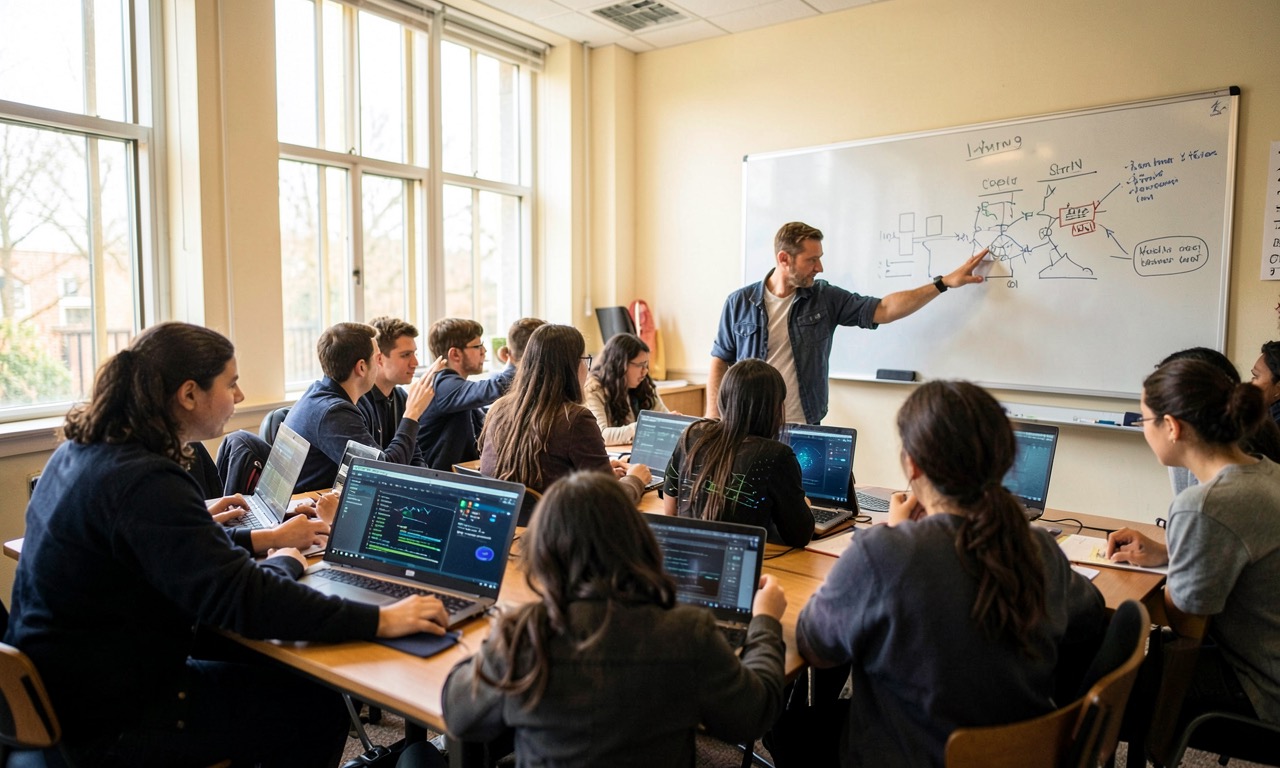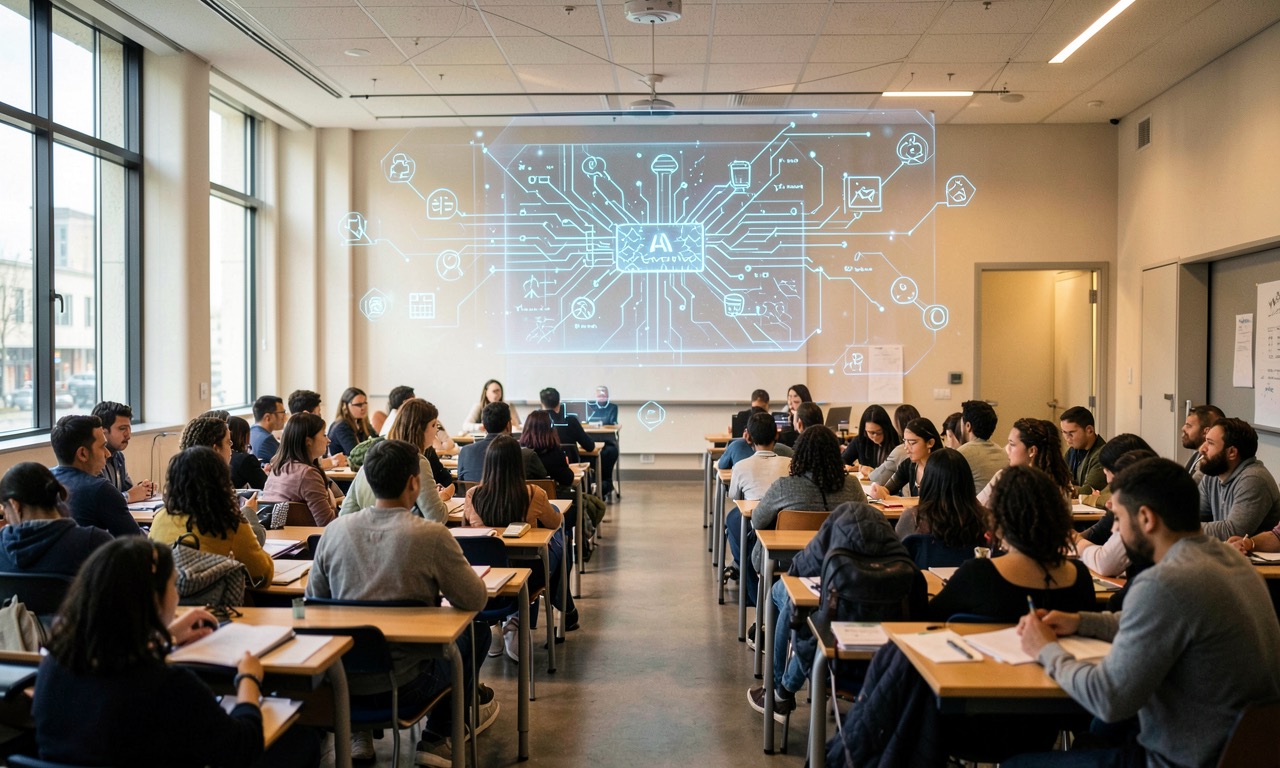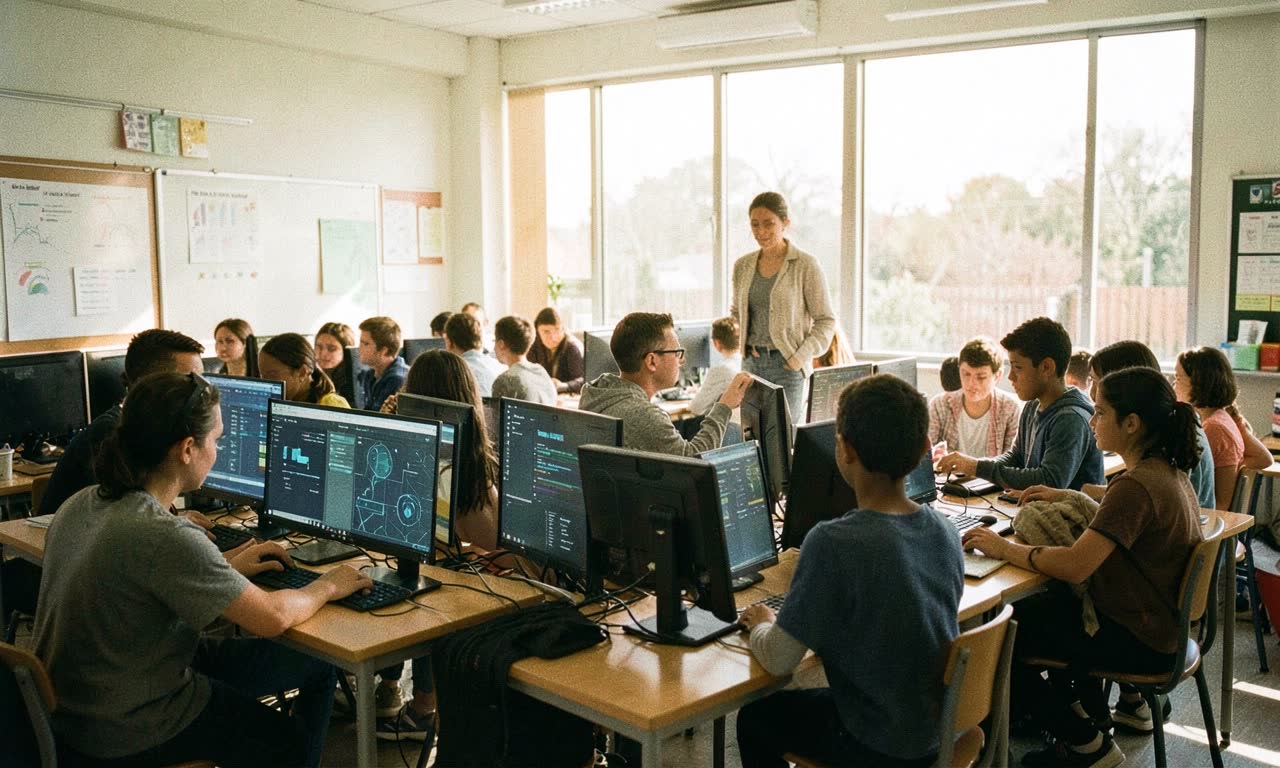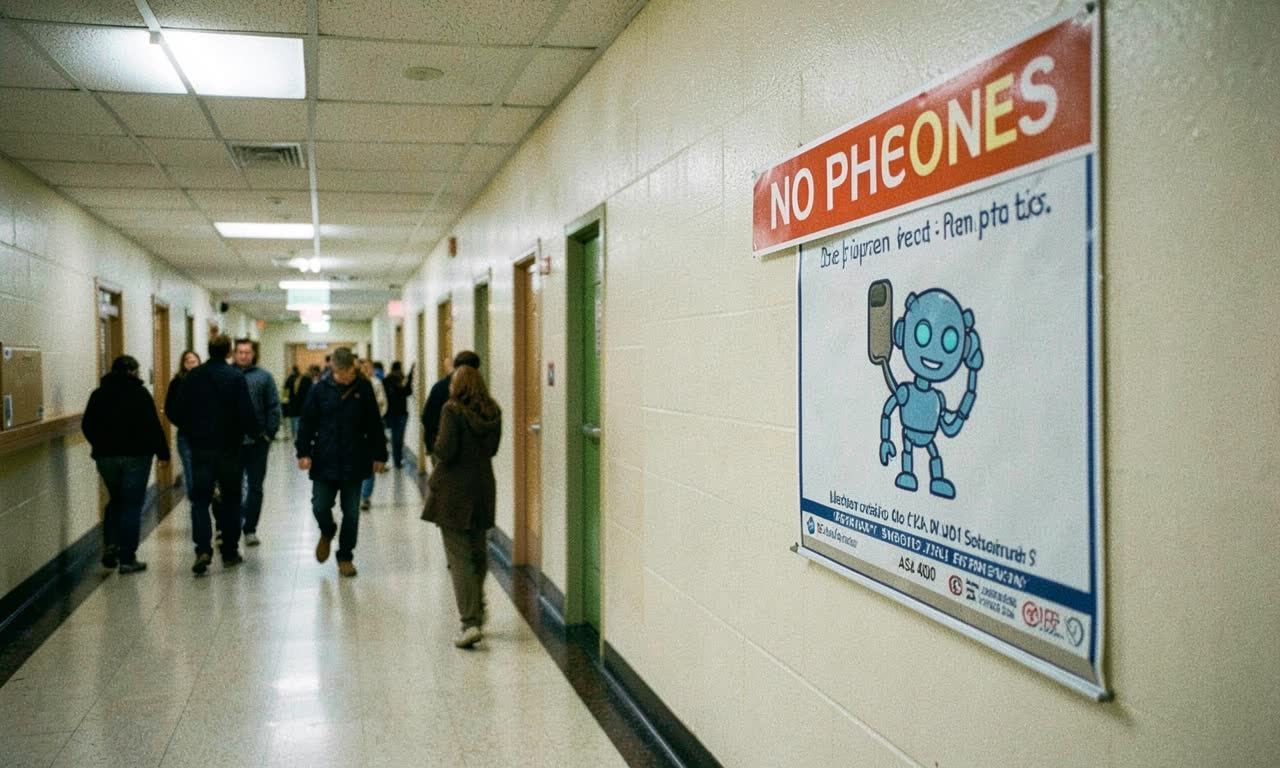
Something weird is happening in American education. With one hand, schools are locking screens away. With the other, they’re being told to teach AI.
It’s like telling someone to learn to swim while draining the pool.
The Ban Wave
By early 2026, 26 US states have mandated full cellphone bans in schools. At least 37 states and Washington D.C. have some form of phone restriction. The results? Schools report better socialisation, more engagement, fewer distractions. Parents love it.
But phones were just the warm-up act. The ban movement has now expanded to all screens. 17 states are considering bills to restrict school-issued devices during the school day. Los Angeles Unified — the second-largest district in the US — became the first major district to impose grade-by-grade screen time limits on school-issued devices. First graders and younger: no screens at all. Utah signed a law banning screens entirely in grades K–3, except for computer science standards. Alabama did the same. At least four more states are drafting similar legislation.
The logic is seductive. Less screen time = more human time. More human time = better learning, better socialisation, better mental health. And there’s evidence to support it — phone bans really do seem to improve school culture.
Then there’s the other hand.
The AI Mandate
In 2026 alone, 134 bills related to AI in education have been introduced across 31 US states. Many require AI literacy in curriculum standards. Georgia and Mississippi are building AI instruction into graduation requirements. States are essentially saying: teach kids about AI or they’ll be unprepared for the workforce.
Which is true. Generative AI is already embedded in search results, Google Docs, social media feeds, group chats. By the time a student graduates, they’ll enter a world where AI shapes every job application, every piece of information they consume, and increasingly every hiring decision.
So the mandate is: restrict screens, but also teach AI literacy. Pull devices out of kids’ hands while preparing them for a world that runs on devices.
If your head hurts, you’re paying attention.
The False Conflict
Here’s the thing: these two impulses don’t actually contradict each other. They look like they do, because we’ve conflated “using technology” with “learning about technology.”
You don’t need to hand a child a chatbot to teach them how a chatbot works. A teacher can lead a discussion about how AI generates text — and makes mistakes. They can explain deepfakes and their societal implications. They can get kids to identify the recommendation algorithms manipulating them. All without handing anyone a device.
Research on media literacy shows that teacher-led instruction builds critical thinking habits that transfer across platforms and technologies. The medium isn’t the message. The thinking about the medium is the message.
Several states are already proving this works. Tennessee paired its phone ban with a digital safety curriculum for grades 6-12 that includes evaluating AI-generated information. North Carolina paired its phone restrictions with required instruction on social media and mental health. These states aren’t choosing between restriction and education. They’re doing both — with the education delivered by teachers, not screens.
What This Means for NZ
New Zealand hasn’t hit this collision point yet, but it’s coming. Our schools are still working through how to handle phones. The Ministry of Education’s 2024 guidelines left phone policies to individual schools, creating a patchwork of approaches. Some schools have full bans; others barely restrict.
But AI education mandates are going to arrive. They already are — the digital technologies curriculum, refreshed in 2023, includes computational thinking and data literacy. AI-specific content isn’t far behind. And when it does, NZ will face the same question: how do you teach AI literacy while restricting the devices kids would use to engage with it?
The answer from the US experience is: you teach it the way you teach everything else — with a teacher, a classroom, and critical thinking.
NZ’s advantage is that we’re small enough to get this right. A coherent national framework that pairs reasonable device restrictions with mandatory AI literacy — delivered by teachers, not screens — could set a global example. Or we could do what we usually do and wait for Australia to figure it out first, then copy them poorly.
The Deeper Problem
The screen ban movement reveals something important about how we think about technology in education. We treat devices as either the problem or the solution. Either screens are destroying attention spans and mental health, or screens are essential learning tools that prepare kids for the digital economy.
Neither framing is complete. Screens can be distracting and harmful. Screens can also be essential tools. The mistake is treating them as one thing.
As we wrote about how schools should teach AI, the best approach isn’t to add AI as an app tip in existing classes or to make it a standalone subject. It’s cross-curricular integration — where AI literacy becomes part of how students learn to think critically about information, across every subject.
That approach doesn’t require every kid to have a device. It requires every kid to have a teacher who understands AI well enough to guide the conversation.
Why This Matters Now
The collision between screen bans and AI education mandates isn’t a future problem. It’s happening right now in US state legislatures, and the policies being written in 2026 will shape education for a decade.
If restriction wins without education, we get students protected from distraction but unprepared for the world. If education wins without restriction, we get students who can use AI tools but can’t think critically about them. The states getting it right are doing both: restriction and education, not restriction or education.
The schools that figure this out first will produce students who are both digitally literate and mentally resilient. The ones that don’t will produce students who are either clueless about AI or drowning in it.
🔍 THE BOTTOM LINE
The screen ban vs AI education collision isn’t a paradox — it’s a failure of imagination. The best schools already know you can restrict devices and teach digital literacy at the same time, because learning about technology has never required being on technology. The question isn’t whether to ban screens or teach AI. It’s whether we’re brave enough to do both, and smart enough to realise they were never in conflict. New Zealand has a window to get this right before the politics make it impossible. Let’s not waste it.