Singaporean prosecutors added money-laundering charges to the growing Nvidia chip-diversion case on Monday, alleging that the chief executive of tech firm Aperia Group used S$38 million (US$29 million) in criminal proceeds to buy a S$55 million Good Class Bungalow. The bail for CEO Alan Wei Zhaolun was raised from S$800,000 to S$1.25 million, and the total number of charges he faces now stands at 11, according to Channel News Asia’s court reporting.
🔍 THE BOTTOM LINE
The case — already the most visible enforcement action anywhere in the world against the illicit rerouting of US-export-controlled AI chips — has now acquired a money-laundering dimension that makes it impossible to dismiss as a paperwork error. A S$55 million mansion, bank-account seizures, and 11 charges against a single executive say this is the prosecution Singapore wants the world to watch. It also says Washington’s export-control net is working, but only because transit hubs like Singapore are doing the painful enforcement work that Washington cannot do alone.
What the New Charges Say
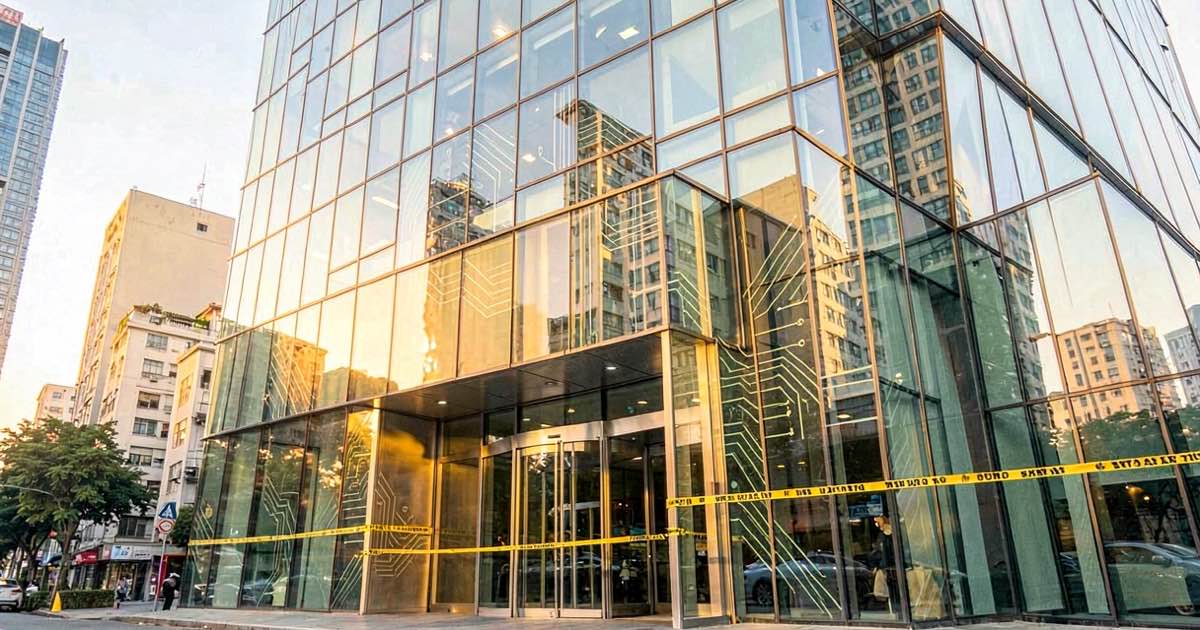
The fresh charges, tendered in court on July 6, allege that between July and October 2024, Wei purchased a bungalow at 12 Chee Hoon Avenue for S$55 million — and that roughly S$38 million of that purchase price was the proceeds of criminal conduct. The prosecution further alleges that S$3.2 million of the S$5.8 million that moved through Wei’s bank accounts in late 2024 was likewise tainted, as Bloomberg reported via Yahoo Finance.
The court granted the prosecution’s request to raise bail to S$1.25 million. Local authorities have already issued a prohibition-of-disposal order against the mansion, blocking any sale or transfer, and seized roughly S$1 million from bank accounts under investigation, per The Business Times.
A spokesperson for Aperia Group told CNA that the charges “relate to commercial transactions involving suppliers and customers from the USA and elsewhere, which required multi-jurisdictional regulatory compliance.” The company did not dispute the underlying facts of the procurement.
The Fraud Itself
The core allegations have been public since the first charges were filed in February 2025, but the scope has widened. Three Aperia executives — CEO Wei, CFO Jenny Lim, and head of sales Aaron Woon Guo Jie — are accused of conspiring to defraud three of the world’s largest server makers: Dell Technologies, Super Micro Computer, and Asustek Computer (Asus).
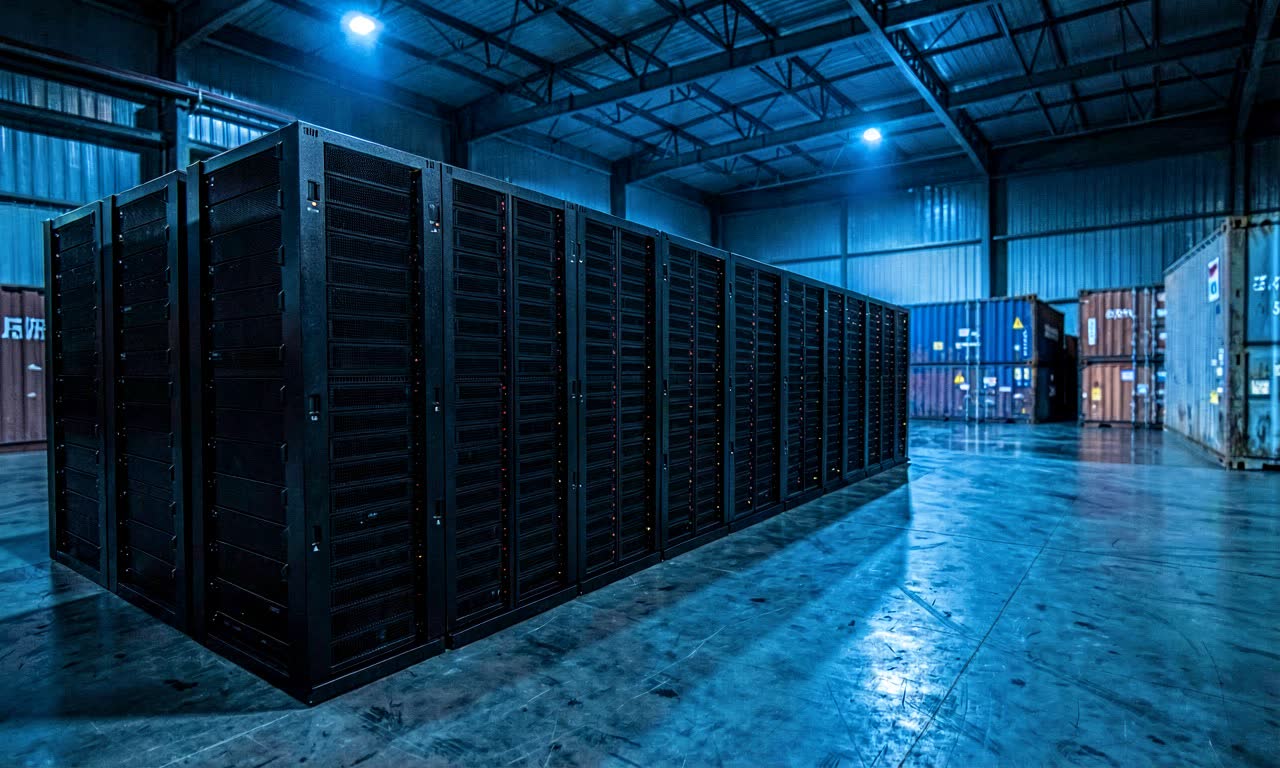
Between November 2023 and February 2025, the trio allegedly told those suppliers that Aperia Group companies would be the end-users of the servers they purchased. In reality, prosecutors say, the servers — which most likely contained Nvidia AI processors subject to US export controls — were exported to Malaysia, and from there potentially onward to China. A fourth individual, Chinese national Li Ming, faces separate fraud charges for making false representations to Super Micro on two occasions in late 2023, including falsely claiming to be a Super Micro employee, according to the BBC’s coverage of the case.
Four Aperia Group companies — A-Speed Infotech, Aperia International, Aperia Cloud Services (II), and Li’s Luxuriate Your Life — have also been charged with related fraud and false-representation offences. Roughly S$56 million in assets have been seized across the case so far.
Why Singapore Matters
This is the case that put Southeast Asia on the map as a transit hub for US chip-export controls. The probe began after an anonymous tip-off, and it gained urgency after US investigators started asking whether Chinese AI start-up DeepSeek had circumvented US restrictions on advanced Nvidia chips by buying them through third parties in countries like Singapore. Singaporean police said the servers “most likely contained items subject to export controls by the US.”
That Singapore — a US security partner and a financial centre that prides itself on the rule of law — is now prosecuting chip-diversion fraud with money-laundering charges sends a signal that other transit hubs will find hard to ignore. Thailand has faced its own allegations of server smuggling tied to a national AI effort; Singapore’s response is to seize a mansion and raise bail. This is what enforcement looks like when a country decides its reputation as a clean financial centre is worth more than the revenue from looking the other way.
It’s also the practical consequence of the export-control framework we’ve tracked all year — from the Anthropic export controls through to the G7 summit wrangling over how to enforce them. The controls only bite if transit countries do the biting.
The DeepSeek Thread
The DeepSeek angle is the reason this case has Washington’s attention. US authorities have been investigating whether DeepSeek — the Chinese AI lab whose models spooked US markets in early 2025 — accessed advanced Nvidia chips through precisely this kind of third-country rerouting. Singapore has not publicly confirmed a direct DeepSeek link, but the timing, the targets (server makers Dell, Super Micro, Asus), and the chip types all line up with the pattern US investigators have been probing.
This is also the context for the parallel Jassy-triggered export-control directive story: the rules only exist on paper unless jurisdictions like Singapore turn them into criminal cases. A money-laundering charge against a tech CEO who allegedly spent S$38 million in illicit proceeds on a bungalow is about as concrete as enforcement gets.
NZ Angle
New Zealand has no equivalent case, but the precedent matters. NZ is a Five Eyes partner, a US security ally, and a jurisdiction with its own export-control obligations under the Wassenaar Arrangement. If the pattern of chip diversion extends to Auckland or Wellington transhipment — which is plausible given the volume of tech hardware that moves through NZ ports — the Singapore playbook is the template NZ authorities would follow: financial-intelligence-led investigation, asset seizure, money-laundering charges layered on top of the fraud.
Singapore’s agentic AI governance framework — the first in the world — sits alongside this enforcement action. The city-state is trying to be both the place where AI rules get written and the place where AI chip smuggling gets prosecuted. That’s a coherent bet: you can’t be a serious AI governance jurisdiction if you’re also the back door.
What This Means for the Chip Market
The case is a data point in a bigger story: US export controls on advanced AI chips are now enforced through a web of allied prosecutions, not just US customs actions. Singapore’s seizure of S$56 million in assets, the criminal charges against four companies and four individuals, and the money-laundering escalation all suggest the deterrent effect is compounding. A company executive weighing whether to misrepresent end-users on a server procurement form now has to consider not just US law but Singaporean criminal law — and the prospect of losing a bungalow.
For Nvidia, the case is awkward but not damaging: the company is the victim of fraud, not a participant. The bigger risk for Nvidia is that transit-hub enforcement tightens further, narrowing the grey market that has quietly absorbed a meaningful share of its high-end GPU shipments to China-adjacent buyers. That tightening is exactly what Washington wants, and exactly what Beijing has been counting on not happening.
❓ FAQ
How much money is at stake in this case? Roughly S$56 million (US$41 million) in assets have been seized or blocked across all defendants, including the S$55 million mansion and about S$1 million in bank funds. The alleged criminal proceeds tied to Wei alone are S$38 million for the property purchase plus S$3.2 million in bank deposits.
What does this have to do with DeepSeek? The case gained urgency after US investigators started probing whether DeepSeek accessed advanced Nvidia chips through third-country rerouting. Singapore has not confirmed a direct DeepSeek link, but the targets, timing, and chip types align with the pattern US authorities have been investigating.
Why is Singapore prosecuting this so aggressively? Singapore’s reputation as a clean financial centre is a strategic asset. Allowing the city-state to become a known chip-smuggling transit hub would jeopardise that reputation and its broader financial-services industry. The aggressive prosecution is a calculated signal to Washington, to Beijing, and to anyone else watching.
Could this happen in New Zealand? NZ has the same Wassenaar export-control obligations and the same Five Eyes intelligence relationships. If a comparable diversion were operating through NZ transhipment, the investigative template — financial intelligence, asset seizure, money-laundering charges — would be available to NZ authorities. There is no public indication of such a case today.
What happens next? Wei, Lim, and Woon have not indicated how they will plead. Li Ming has also not entered a plea. The case will continue through Singapore’s courts, and further charges are possible as the multi-jurisdictional investigation continues.
🔍 THE BOTTOM LINE
The Singapore Nvidia chip-diversion case has graduated from fraud to money laundering, and the S$55 million mansion at the centre of it is now a physical monument to what export-control enforcement actually looks like when a transit country decides to take it seriously. For a New Zealand reader, the lesson is that the rules protecting advanced AI chips from diversion are not just US rules anymore — they are being enforced, with real asset seizures and real criminal charges, by US allies in the region. The export-control wall is getting thicker, one mansion at a time.
📰 Sources
- Channel News Asia — Aperia CEO charged with laundering S$38 million in bungalow purchase
- Bloomberg via Yahoo Finance — Singapore Files New Charges in Nvidia Chip Fraud Case
- BBC News — Singapore seizes $42m mansion over Nvidia chip smuggling
- The Business Times — Nvidia chips case: 4 firms charged with fraud; S$56 million in assets seized