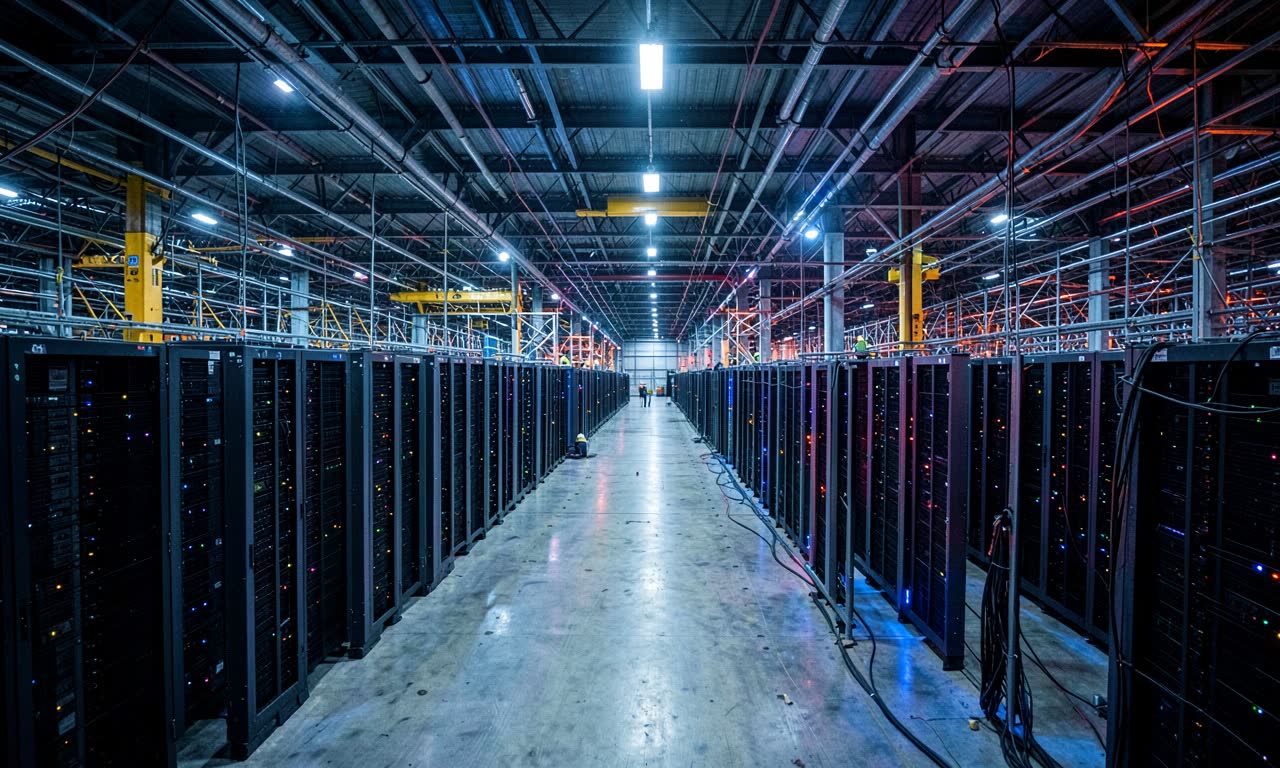
SpaceX’s S-1 registration filing, submitted to the SEC ahead of its anticipated $1.75 trillion IPO this summer, contains a disclosure that sent ripples through the semiconductor industry: the company plans to manufacture its own GPUs.
The filing lists “in-house GPU manufacturing” as one of SpaceX’s ongoing “major capital expenditure” projects, while the risk factors section explicitly warns that chip supply shortages could constrain the company’s growth potential. It’s the clearest signal yet that Elon Musk’s empire is serious about breaking free from NVIDIA’s grip on AI compute.
The Terafab Connection
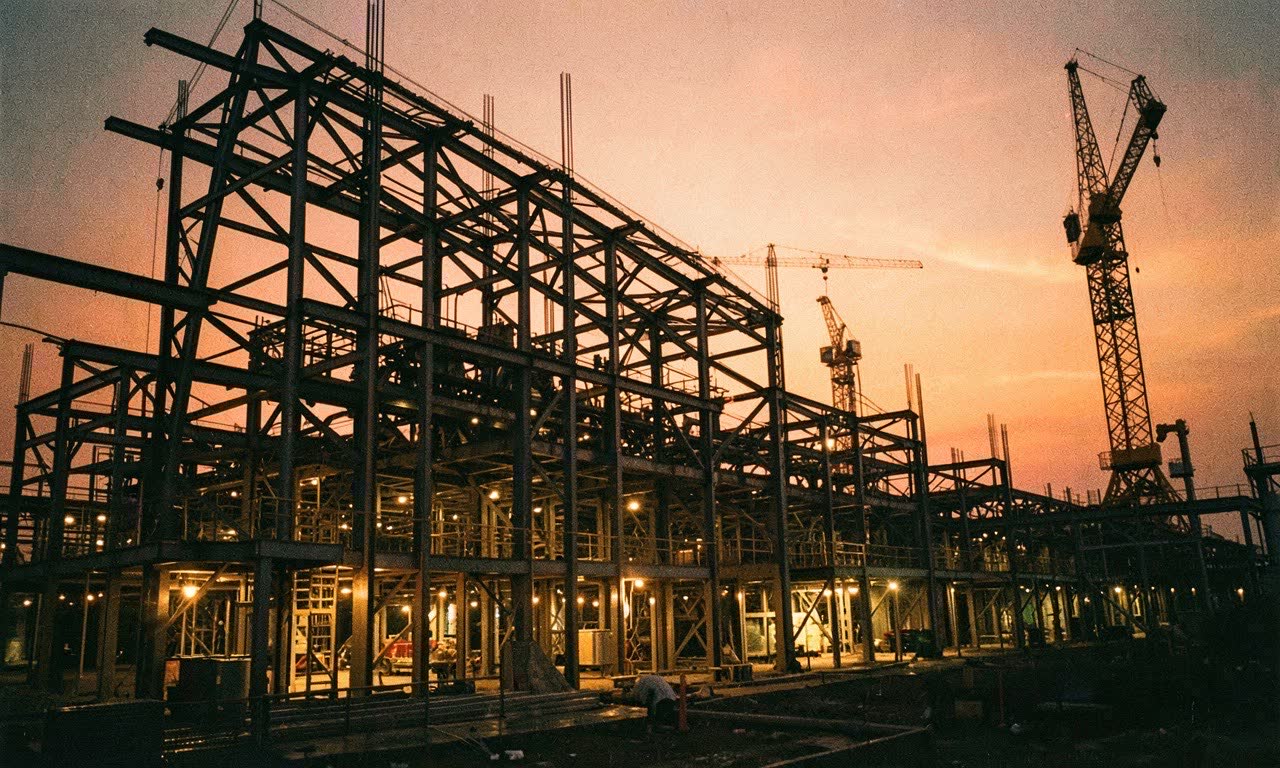
SpaceX’s GPU plans are closely linked to the Terafab project — a joint venture between SpaceX, xAI, and Tesla, with a site selected in Austin, Texas. The project is positioned as an advanced AI chip manufacturing complex, with Musk stating it will target automobiles, humanoid robots, and space data centers.
Musk mentioned during a Tesla analyst meeting that once Terafab’s capacity expands, Intel’s next-generation 14A process technology “may be quite mature or ready for mass production” — adding that “it seems like the right move.”
Many key details remain undisclosed, including chip types, manufacturing technologies, and which party — SpaceX, Terafab developers, or partner Intel — will handle the technical manufacturing stage.
Why Now: The Chip Supply Squeeze
The motivation is straightforward. When Musk proposed the Terafab project in March, he indicated the target annual power consumption would reach 1 terawatt — approximately 20 times the current global annual power consumption for AI computing. That kind of scale demands a chip supply that simply doesn’t exist from external vendors alone.
Barclays analyst Dan Levy highlighted another dimension: chips will be the growth pillar of Musk’s next phase. Chips directly determine whether Tesla’s vehicle-side inference, robot-side inference, and data center training chains can scale. The ambition isn’t just to expand chip production — it’s to achieve vertical integration, creating a domestic closed loop for logic chips, memory, and advanced packaging in the United States.
The Everest of Manufacturing
GPU manufacturing has the highest barriers to entry in the chip industry. Even NVIDIA doesn’t manufacture its own chips — it outsources production to TSMC and other foundries. SpaceX is attempting something no AI company has done at scale: go fully vertical.
Two mainstream paths exist: NVIDIA’s general-purpose GPUs and Google’s specialized TPUs. Whichever Terafab chooses, the climb is steep. The massive initial investment could further strain SpaceX’s finances, which remain in a loss-making phase.
From a process perspective, even if Terafab leverages Intel’s 14A process and avoids starting from scratch, yield rates and production ramp-up speed remain unknown challenges. Intel’s current 18A process still suffers from poor yield consistency. The 14A successor — featuring finer precision — is transitioning toward pilot production, and its yield rate cannot yet be determined.
Risk vs. Reward at $1.75 Trillion
For Tesla, with its ample cash flow, the investment in-house GPUs may remain within acceptable range. But for SpaceX — still continuously loss-making — the risks are extreme.
Analysts note that the projected $1.75 trillion valuation already includes a high premium, pricing in growth expectations through 2030. If Terafab’s progress falls short, the impact on SpaceX’s post-IPO trajectory could be severe.
The question isn’t whether Musk can build GPUs. It’s whether building them is worth the astronomical cost — and whether investors at a $1.75 trillion valuation have already priced in success that may never arrive.
SOURCES
- Reuters
- Tom’s Hardware
- TradingKey