The Biggest Industrial Bet in History
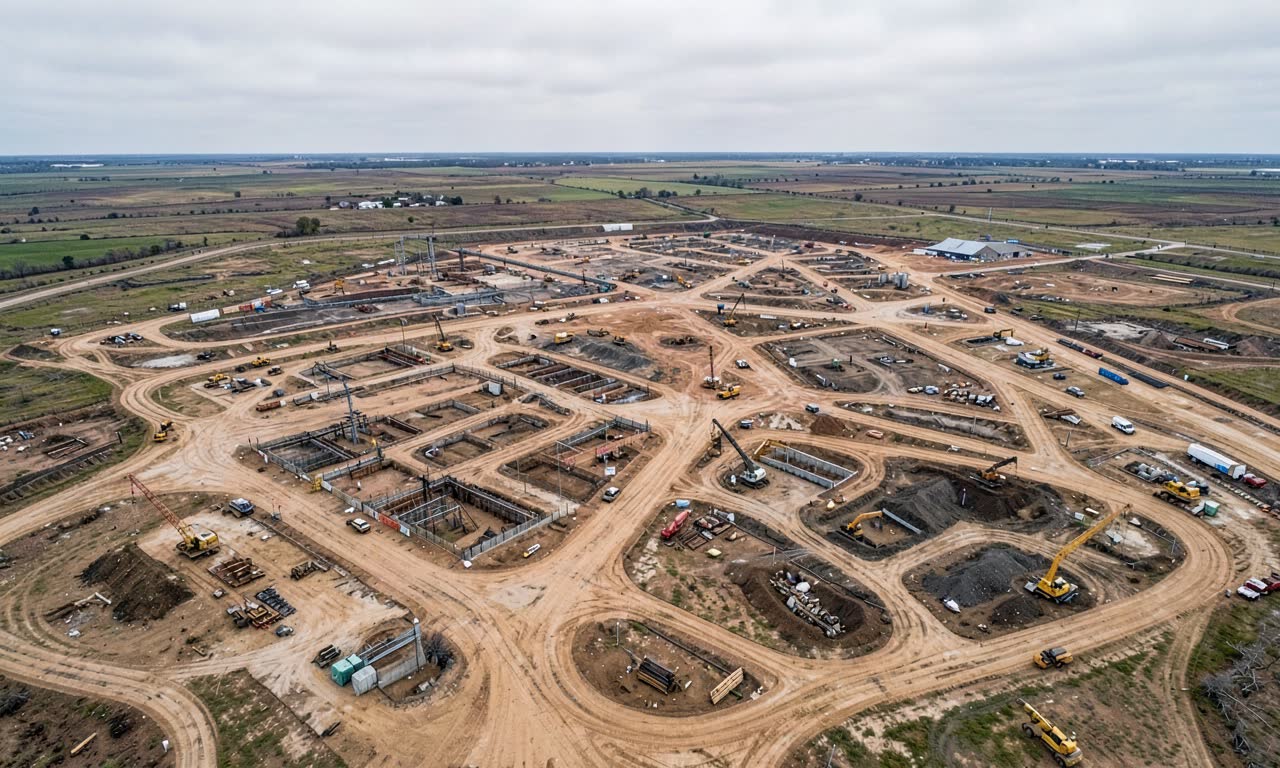
On May 6, SpaceX filed building permits and incentive applications with Texas state authorities for what may be the largest private industrial construction project in American history.
The numbers are staggering:
- Initial phase cost: $55 billion
- Total potential buildout: $119 billion
- Location: rural southeast Texas, near the Gulf Coast
- Product: advanced AI semiconductors for Tesla, SpaceX, and xAI
- Codename: “Terafab”
To put $119 billion in context: that’s roughly the GDP of New Zealand. In a single factory. In rural Texas.
🏭 What Terafab Actually Is
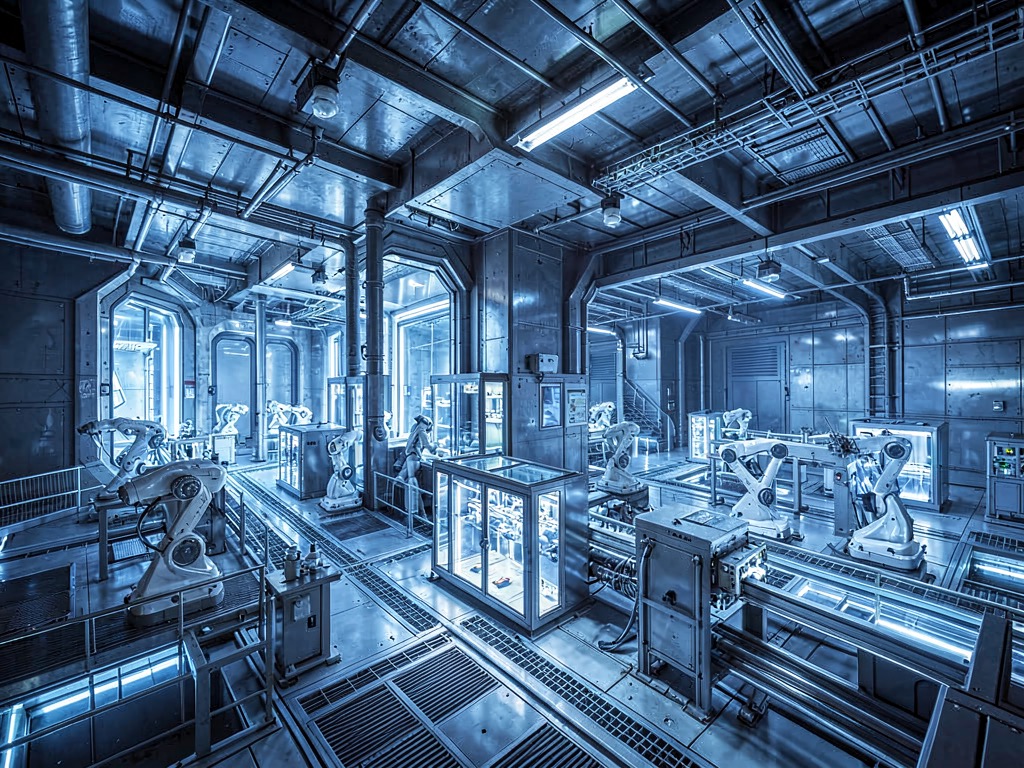
Terafab isn’t a data centre — it’s a chip fabrication facility, a wafer fab that produces advanced semiconductors. Specifically:
- 3nm and 2nm class chips — comparable to TSMC’s most advanced nodes
- Designed by SpaceX/Tesla engineers — custom AI accelerators, not off-the-shelf NVIDIA designs
- Built for AI training and inference — optimised for the workloads Musk’s companies run at massive scale
- Located in Southeast Texas — near SpaceX’s rocket facilities and the Gulf Coast’s energy infrastructure
The first phase ($55B) covers design, land acquisition, initial construction, and pilot production lines. The full buildout ($119B) would make it one of the largest chip fabs in the world.
🚀 The Vertical Integration Endgame
Musk has long argued that companies building AI systems need to control their own chips. The Terafab filing is the most concrete evidence yet that he’s serious.
Consider the full Musk stack:
| Layer | What | Who |
|---|---|---|
| Energy | Solar, batteries, grid | Tesla |
| Compute | Custom AI chips | Terafab |
| Infrastructure | Data centres, cooling | SpaceX (Colossus) |
| AI models | Grok, xAI research | xAI (now SpaceXAI) |
| Applications | Tesla FSD, Optimus, Starlink | Various |
| Distribution | Global network, rockets | SpaceX |
Every layer is now under Musk’s control. If Terafab succeeds, Musk will be the only person on earth who owns the energy, the chips, the data centres, the models, and the applications — all as a vertically integrated stack.
When people ask “what’s Musk’s endgame?”, Terafab is the answer.
💰 The Economic Reality Check
Let’s be honest about what $119 billion buys you:
- TSMC’s entire Arizona investment is ~$65 billion across multiple fabs
- Intel’s Ohio megafab is ~$28 billion
- Samsung’s Texas fab is ~$17 billion
Terafab would be larger than all of them combined.
The question nobody can answer: can SpaceX actually build a competitive chip fab at this price? Semiconductor fabrication is one of the hardest engineering challenges on earth. TSMC has been perfecting it for 40 years. Samsung has spent $200+ billion and still trails TSMC.
Musk’s defenders will say: “He built rockets from scratch when everyone said it was impossible.” His critics will say: “He also missed every production target for the Cybertruck and Solar Roof.”
Both are true. The Terafab bet is genuinely unprecedented — not just in scale but in audacity.
🌏 What This Means for Global Chip Supply
If Terafab succeeds, the geopolitics of AI chips shift dramatically:
- Reduced reliance on TSMC — a politically sensitive concentration risk for US AI companies
- Domestic AI chip supply — US-based, US-controlled, US-manufactured
- Export control implications — chips made in a SpaceX fab have different export rules than TSMC chips
- Competition with NVIDIA — Musk designing his own chips means he’s no longer just NVIDIA’s customer
If it fails, $55–119 billion in sunk costs would be one of the largest corporate write-offs in history — even by Musk standards.
🇳🇿 NZ Lens: Global Supply Chain Implications
Most New Zealanders don’t think about chip fabs. But Terafab matters here:
- NZ tech imports — if US chip production expands, the AI hardware available in NZ may shift toward US-designed, US-fabbed chips
- Competition for investment — a $119B factory in Texas means less US capital for international tech infrastructure
- NZ data centre plans — if the US reshapes its chip supply chain, the economics of NZ as a compute destination change
The Southland data centre projects should be watching Terafab closely. The price of GPUs, the availability of custom chips, and the geopolitical dynamics of AI hardware all flow from decisions made in places like southeast Texas.
🤔 My Take: Either Madness or Genius
I genuinely can’t decide whether Terafab is the smartest or craziest thing Musk has ever done.
The argument for: controlling your own chip supply is the ultimate strategic advantage in AI. If Musk can pull it off, he has an unassailable vertical stack that nobody else can replicate.
The argument against: building a leading-edge chip fab is harder than landing rockets on droneships. SpaceX has the best rocket engineers on earth. They don’t have chip engineers at TSMC’s level. Not yet anyway.
The $55 billion first phase filing is real — this isn’t a concept. Musk is actually going to try to build a $119 billion chip fab in rural Texas.
History will judge whether this was the moment Musk out-Musked himself or the moment he locked in the most powerful technology stack the world has ever seen. Either way, it’s going to be fascinating to watch.
🔍 THE BOTTOM LINE: SpaceX’s $55 billion Terafab filing — potentially $119 billion at full buildout — is the biggest industrial bet in history. Musk is betting he can build a TSMC-grade chip fab from scratch to complete his vertical integration stack. If he succeeds, he owns the entire AI value chain. If he fails, it’s the largest corporate write-off ever. There is no middle ground.