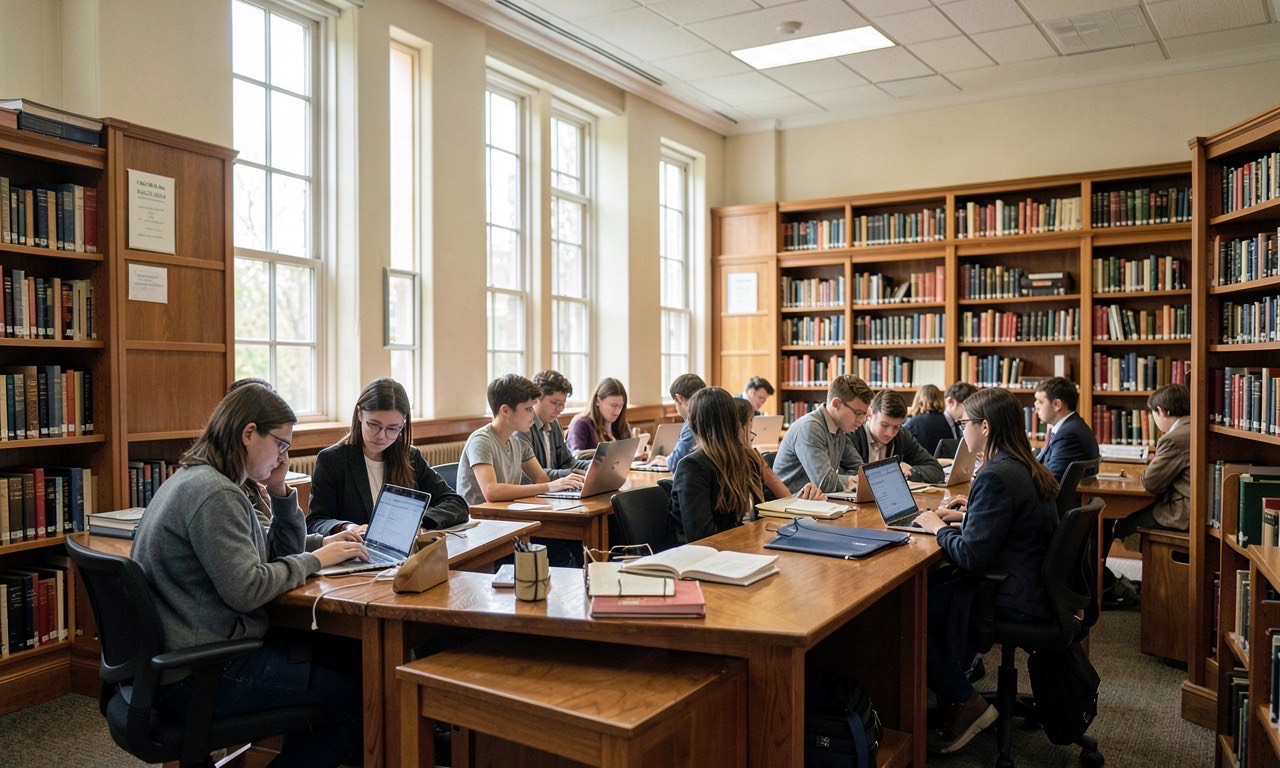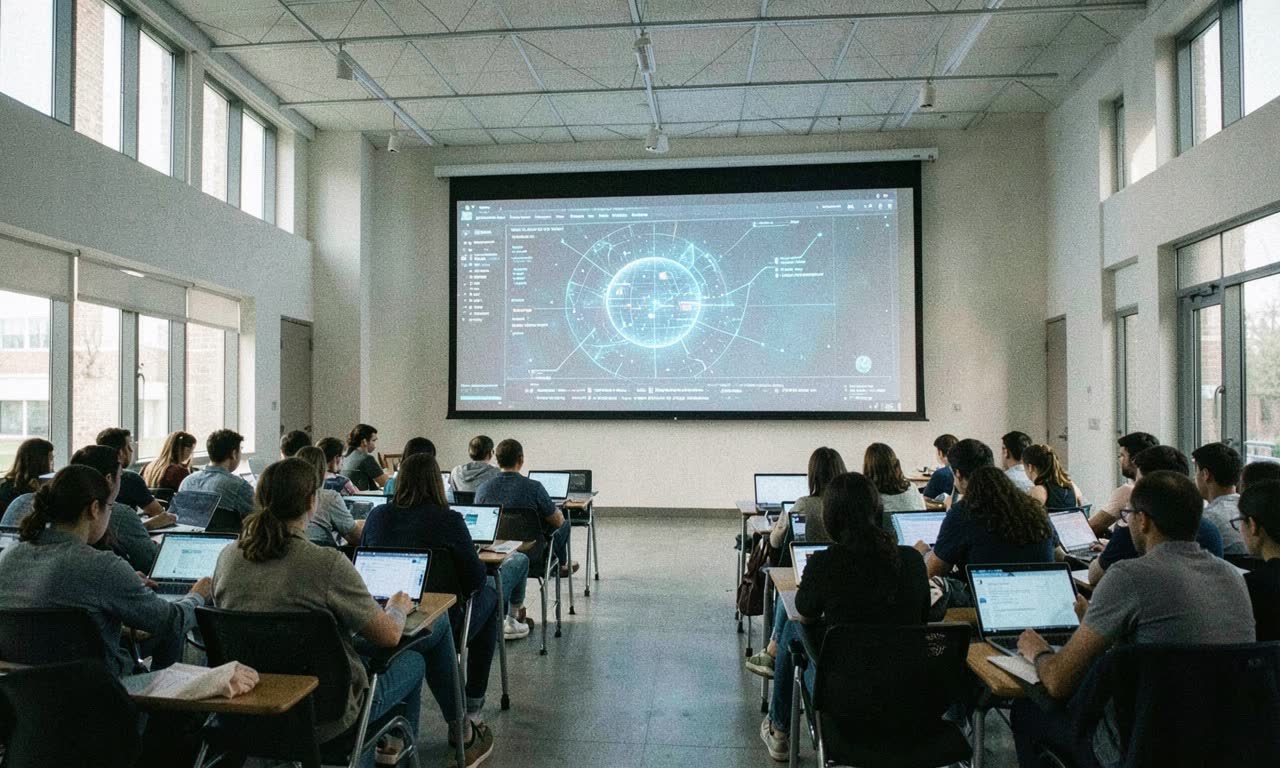
The United Kingdom has launched its first AI-native university — a higher education institution where master’s degrees are taught entirely by AI systems, with academic supervisors overseeing the process rather than delivering lectures. It represents the most radical shift in university pedagogy since the invention of the lecture hall itself.
How It Works
At this institution, AI systems serve as the primary instructors. They deliver content, assess student work, provide feedback, and adapt learning paths in real time based on individual student performance. Human academic supervisors exist to ensure quality, handle edge cases, and provide the mentorship that algorithms still cannot replicate.
The model emphasises strong pedagogy — this isn’t simply chatbot-led learning. The AI systems are designed around evidence-based teaching principles, with personalised learning paths that adjust difficulty, pacing, and content focus based on how each student progresses.
Why This Matters
This isn’t an incremental improvement to online learning. It’s a fundamental reimagining of what a university is. Traditional universities bundle teaching, assessment, credentialing, and research into one institution. An AI-native model separates those functions — and in doing so, challenges every assumption about how education should work.
The economics alone are disruptive. AI instruction doesn’t need salary scales, office hours, or sabbaticals. It scales infinitely. A single AI system can teach ten students or ten thousand with marginal cost approaching zero. That changes the financial model of higher education entirely.
Implications for New Zealand
For NZ’s education sector and policymakers, this raises urgent questions:
- Quality assurance: How do you accredit an institution where no human delivers the teaching? Existing frameworks may not apply.
- Credential recognition: Will employers — and other universities — recognise AI-taught degrees as equivalent?
- Competitive pressure: If UK degrees become dramatically cheaper and more accessible through AI delivery, NZ universities face an existential pricing challenge.
- Should NZ explore similar models? Staying competitive might mean building our own AI-first education infrastructure rather than watching students flow to cheaper overseas options.
The Bigger Picture
The AI-native university model sits at the intersection of two mega-trends: the democratisation of AI capability and the unsustainable cost of traditional higher education. University tuition has outpaced inflation for decades. If AI can deliver comparable learning outcomes at a fraction of the cost, the market will move — regardless of how traditional institutions feel about it.
The question isn’t really whether AI-native universities will work. It’s whether traditional universities can adapt fast enough to survive alongside them.