There’s a particular flavour of academic panic spreading through universities right now. It goes something like: “Students are using AI. We have no idea what to do about it. Someone create a task force and a workshop series, stat.”
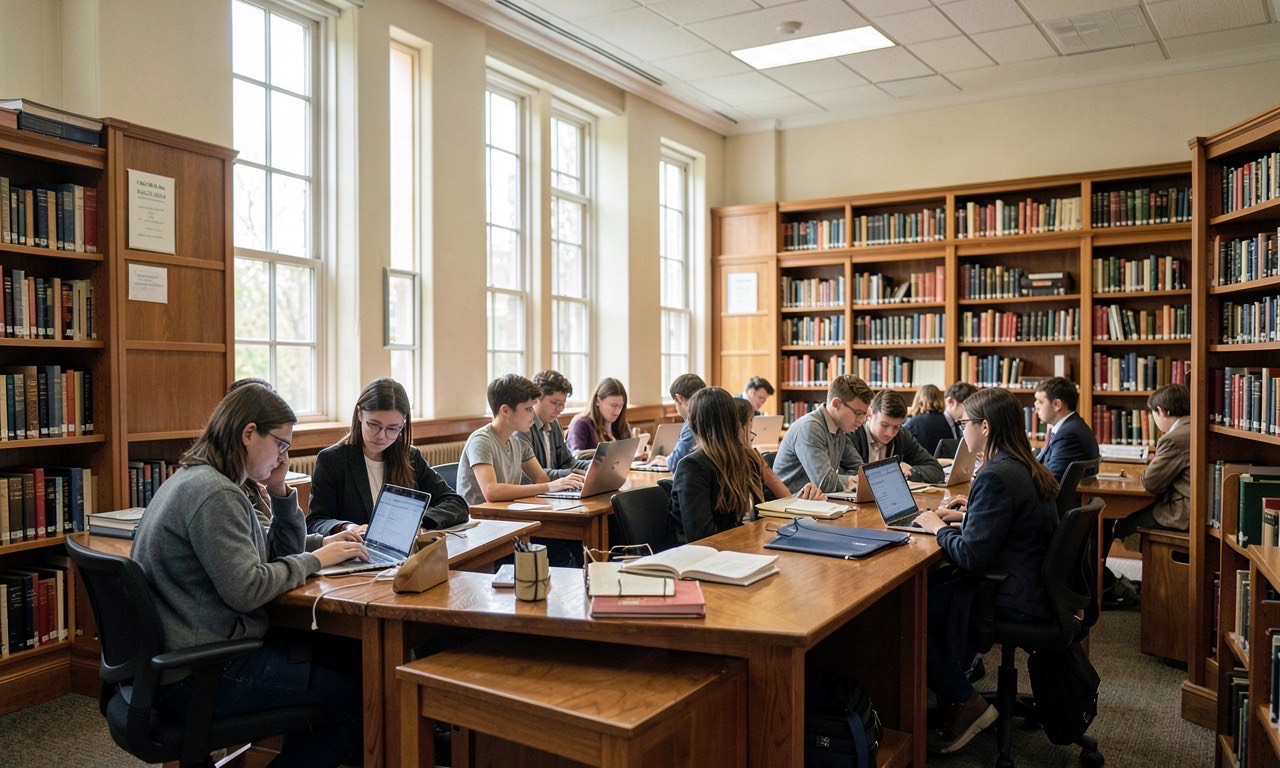
The University of Virginia did something smarter. They built a lab, put it in the library, and told students to go build things.
🧠 The AI Literacy and Action Lab: Not Another Workshop
Launched last month, UVA’s AI Literacy and Action Lab is based at the university library — a deliberate choice that says a lot about how they think about AI education. This isn’t a computer science department initiative. It’s not a standalone “AI studies” program. It’s a cross-disciplinary, library-anchored hub where students learn by doing.
Leo Lo, UVA’s librarian and dean of libraries, designed the lab around five core competencies: technical knowledge, ethical awareness, critical thinking, practical skills, and understanding AI’s societal impact. Sound like a lot? It is. But the delivery mechanism is refreshingly simple.
“The structure reflects our belief that people are most motivated to learn when they’re working on something they care about,” Lo told Inside Higher Ed. “Rather than attending a workshop or sitting through a webinar or lecture, we believe in learning by doing.”
🏛️ Why the Library?
This is the clever bit. UVA’s College Dean Christa Acampora explained that librarians were “some of the first people in universities to understand the uses of the internet” and their impact on research. The library serves everyone — every student, every faculty member, every department. It’s neutral ground.
Other institutions are catching on. Bryn Mawr College is running its libraries as AI sandboxes, with librarians running workshops and one-on-one consultations. It turns out the people who taught us how to evaluate sources and navigate databases are also pretty good at helping us figure out AI.
🛠️ What Students Are Actually Building
The lab currently has four pilot projects underway, spanning disciplines from economics to biochemistry:
- Economics + AI: A course combining hands-on AI coding with critical thinking and ethics, exploring how AI reshapes employment, growth, and inequality
- First-year writing + local high schools: Students develop lesson plans for high school classrooms on thoughtful AI integration — getting undergrads to teach teenagers is a move that should make every education researcher smile
- Philosophy + AI validation: Student projects explore potential uses of AI across society, with a focus on critically evaluating and validating AI outputs
- Biochemistry + AI-supported learning: Integrating AI tools into biochemistry coursework to see if they improve comprehension and retention
These aren’t “learn Python and train a model” courses. They’re discipline-specific, problem-driven, and focused on creating artifacts students can show employers.
📊 The Numbers Behind the Shift
This isn’t happening in a vacuum. UVA’s move is backed by some striking data:
- 85% of graduating students now use AI tools — up 31 percentage points in two years (Handshake)
- 42% of college-bound students say AI will influence their career choice, and 10% have already changed their major because of it (EAB)
- More than 10% of active internships now mention AI-related skills
- Full-time job postings referencing AI have nearly doubled year-over-year to 4.2%
The message is clear: students are already doing this. Universities are playing catch-up.
🔍 The Bigger Picture
What makes UVA’s approach interesting isn’t the tech — it’s the philosophy. The lab explicitly rejects the “study it first, then understand it” model that has dominated higher education’s response to pretty much every new technology since the printing press.
Dean Acampora put it bluntly: “It’s higher ed’s inclination to say, ‘Oh, there’s a new thing. Let’s study it, and then we’ll understand it.’ There’s a presumption that having more knowledge or access will make you better prepared for the workforce. But these changes may not follow the pattern of past technological shifts, where new jobs ultimately offset those that were lost.”
That’s a remarkably honest admission from a university dean. She’s saying: we don’t know if the old rules apply. So instead of pretending we do, let’s equip students to figure it out themselves.
🥝 An NZ Take
New Zealand universities are watching this space closely — and they should be. Our university sector faces the same pressures: students using AI whether or not it’s taught, employers demanding AI literacy in graduates, and a funding environment that makes launching new initiatives painful.
The library-as-AI-hub model is particularly appealing for NZ. Most of our universities have well-resourced libraries, strong information literacy programs, and librarians with deep expertise in teaching students how to navigate complex information landscapes. The infrastructure is already there. What’s missing is the mandate.
A University of Auckland or Victoria University library-based AI lab could replicate UVA’s model at a fraction of the cost — no new buildings, no new departments, just a shift in how existing resources are deployed.
💭 The Bottom Line
The UVA AI Literacy and Action Lab isn’t going to solve AI education on its own. Four pilot courses and a library initiative won’t magically produce an AI-ready workforce. But it represents something rarer than a solution: an approach that might actually work.
Learning by doing, anchored in disciplines, housed in spaces everyone already uses, and focused on building things rather than studying concepts. If that sounds obvious, ask yourself why so few universities are doing it.