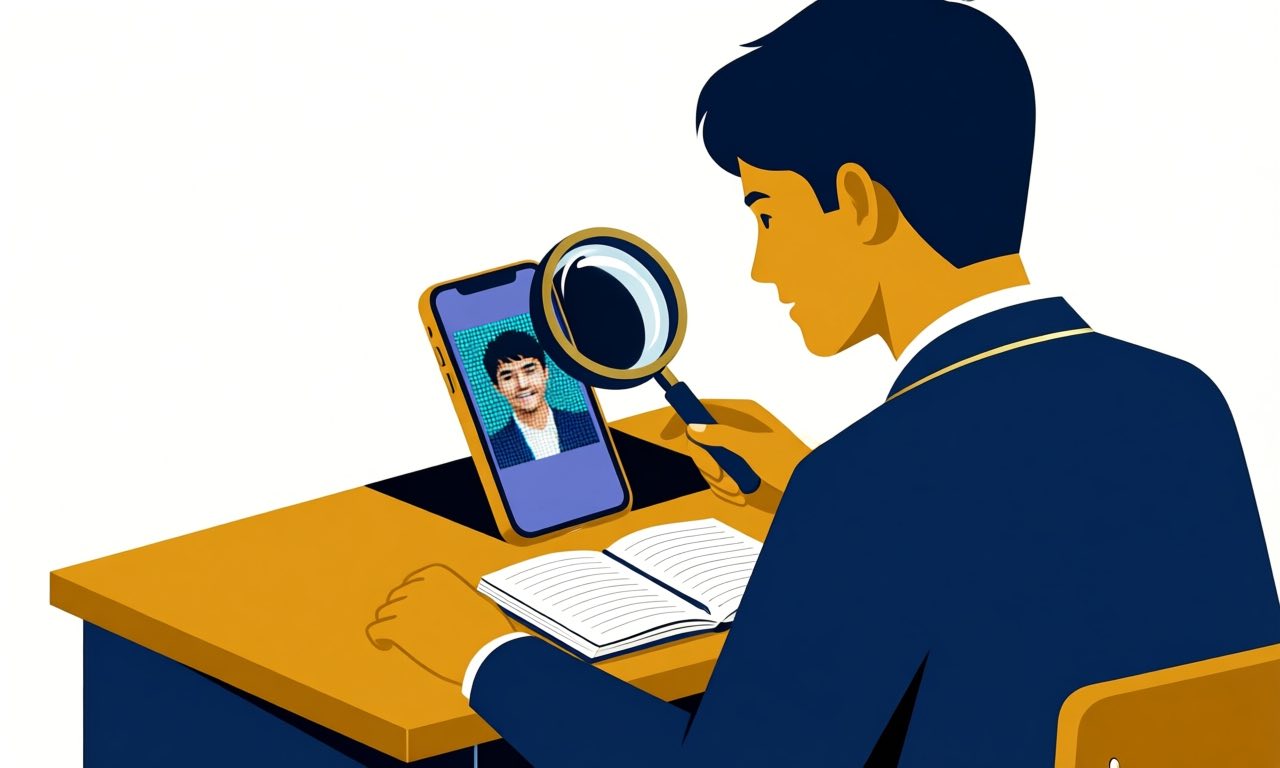
England is about to give every schoolchild a formal education in one of the messiest facts of modern life: a large share of the text, images and video in front of them was made by a machine.
Education Secretary Lucy Powell will set out the changes formally in Parliament on Monday, as BBC News reports and the Evening Standard confirms. The package includes compulsory citizenship lessons from primary school, digital and media literacy to help children spot bias and misleading content, and — the part with the clearest AI stamp — pupils explicitly taught to understand how AI-generated content influences the information they see. An updated computing GCSE will cover programming, computer science, data and AI, per both outlets, and Sky News describes “practical skills for using artificial intelligence” among the additions.
What is actually in the package
The Monday statement fleshes out a reform track that began when the government published the final report of its Curriculum and Assessment Review — chaired by Professor Becky Francis — alongside its response in December 2025, and accepted most of its recommendations. The pieces confirmed this weekend:
- Compulsory citizenship lessons from primary school, with secondary schools given greater flexibility (The Independent reports the compulsory part applies to primaries specifically).
- Digital and media literacy, including understanding bias and how AI-generated content shapes what children see.
- Financial literacy woven into maths and citizenship — budgeting, mortgages and scam-spotting, a framing Martin Lewis, the consumer campaigner, welcomed as “a chance to stop young people being sent out into a world of scams, dodgy deals and debt without the tools to cope”.
- An oracy assessment at the end of primary, testing speaking and listening. Geoff Barton, who chairs the Oracy Education Commission, told the BBC children will learn to “understand ideas, to be able to explain, analyse and justify their views, to know how to disagree agreeably”.
- A rebuilt computing GCSE spanning programming, computer science, data and AI.
- Reading for pleasure, announced on Saturday: daily time slots in primary schools, weekly in secondaries.
Powell framed it all as catching up: “We are modernising the curriculum, to equip young people for their fast-changing future, not some bygone past,” she said, adding that the curriculum had failed to keep pace with the wider world since it was last reformed.
The opposition was ready before the statement even landed. Shadow education secretary Laura Trott called the overhaul “a shopping list of things that sound nice but erodes the core knowledge that has put English pupils in the world’s top ten for reading, maths and science”, arguing that “we need education policy that follows what has worked, not policy based on vibes”.
A decade-long review cycle, applied to a fast-moving subject
The scale is easy to miss: this is the first comprehensive review of what English schools teach in over a decade, commissioned in 2024, collecting evidence from thousands of teachers, parents and pupils before its December 2025 final report. The government has been drip-feeding its response ever since — EBacc scrapped, exam time trimmed, three separate sciences for every child — with Monday’s statement assembling the education-facing detail into a single parliamentary moment.
Implementation is not immediate, either. Schools receive four terms’ notice before the new programmes of study land, and the revised national curriculum documents and support materials follow in stages. That runway matters most for the computing and AI elements, where the GCSE content has to be written, trialled and taught by staff whose own training in the material is uneven.
The AI line England chose: teach about it, not just with it
The interesting division in this story is not between parties but between two philosophies of AI in schooling. One camp wants AI out of the classroom — the researchers behind a five-year school moratorium on classroom AI, and officials in Los Angeles who switched Google’s AI search summaries off on school devices after discovering pupils couldn’t turn them off themselves. The other camp, which England’s reforms now join, wants children taught to read AI-saturated information critically — to know what bias looks like when a model generated the paragraph.
England has picked the second lane, but a notably defensive version of it: the emphasis falls on spotting misleading content and understanding AI’s influence, not on using AI in schoolwork. That keeps the government clear of both the moratorium camp and the edtech vendors, though it leaves the practical question — how much hands-on AI fluency secondary pupils actually get — to the rebuilt computing GCSE rather than to every subject. Washington is travelling the same direction from the other side, with bipartisan US legislation pushing K-12 AI literacy through Congress as a grant programme rather than a curriculum mandate.
What it means for New Zealand
New Zealand faces the same fork with less scaffolding. Our curriculum refresh has moved slower on the AI-content question, and the New Zealand AI education gap — classrooms full of AI-mediated homework, with no formal AI literacy layer to match — looks closer to England’s pre-reform state than its post-reform one. The scam-spotting element may travel furthest of all: financial literacy folded into required lessons mirrors what NZ school leaders have been asking for independently, and Lewis’s argument that scam education belongs in maths class, not in an optional unit, is equally usable here. The full detail lands when Powell makes Monday’s statement; the curriculum documents themselves follow over the next two years.