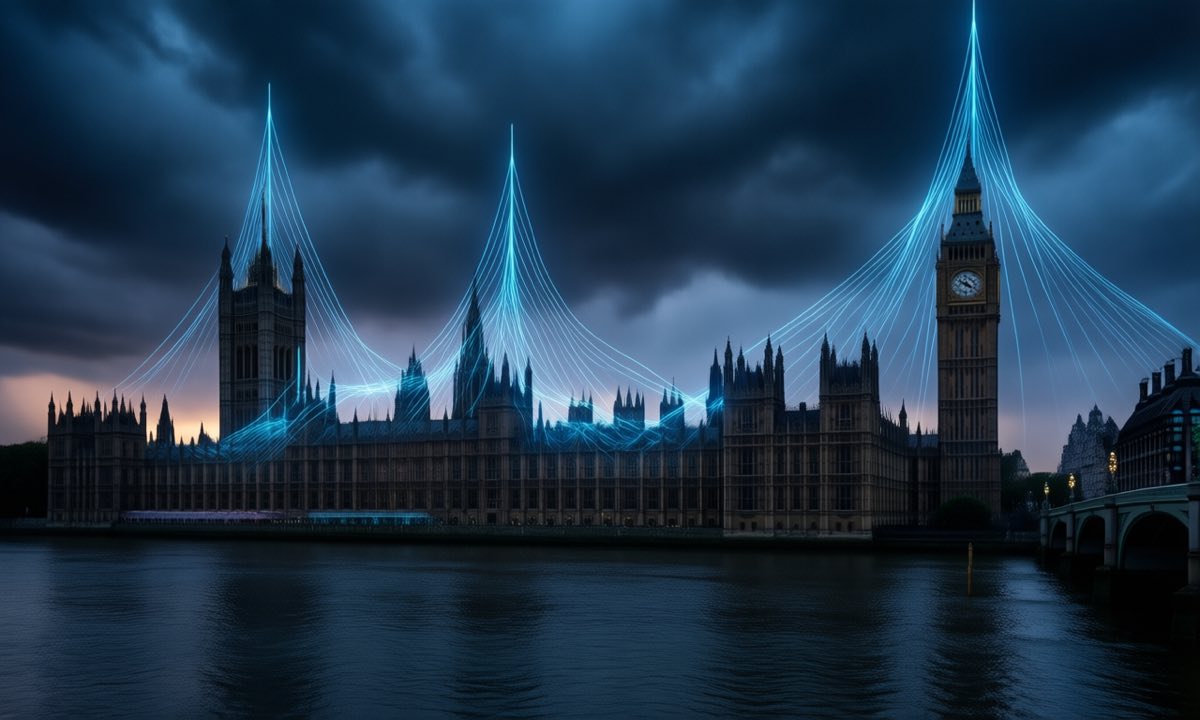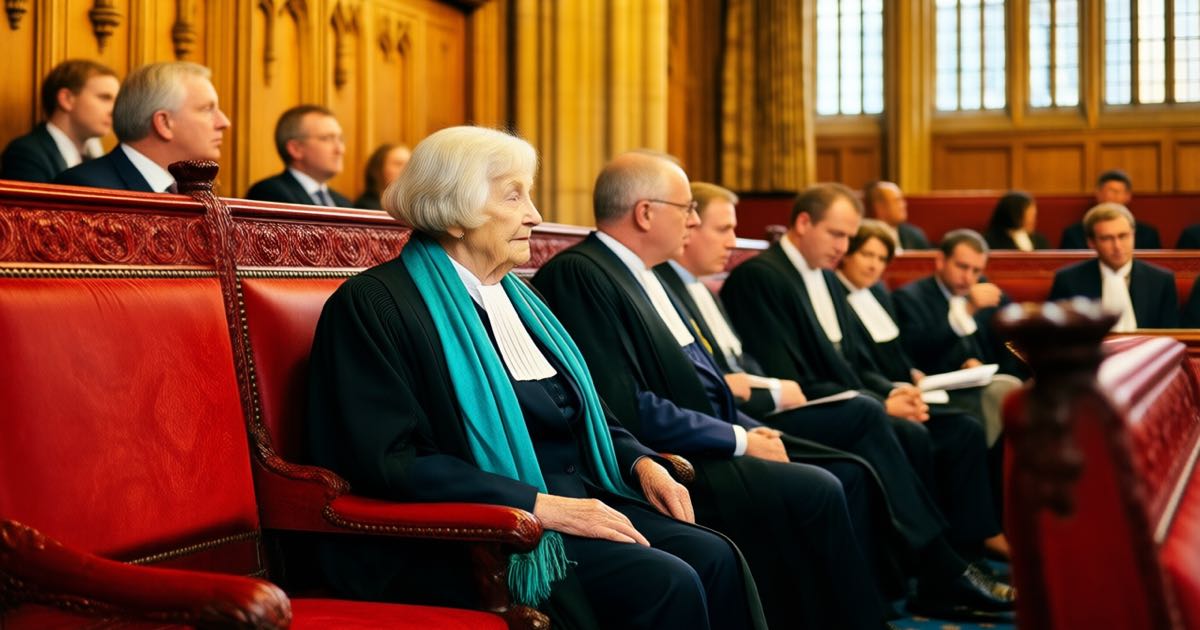
A group of British peers wants the government to be able to deactivate powerful AI systems — and switch off the country’s data centres — if the technology ever poses a threat to national security. The proposal, tabled by Liberal Democrat peer Lord Tim Clement-Jones, is one of 65 amendments being debated this week to the Cyber Security and Resilience Bill as it moves through Parliament.
The two-track push
Clement-Jones framed the measure as a “vital safety net”: a democratically accountable means to “halt a runaway system before it can compromise our critical national infrastructure”, used only as a last resort. Whatever you think of the odds of a runaway system, the underlying point is simpler and more grounded — Britain is becoming a data centre economy in miniature, and the bill already regulates cyber resilience for those facilities. Extending it to AI systems is a modest amendment with a dramatic name.
The second track goes further. On 8 September, Labour MP Alex Sobel plans to introduce an AI Security Bill, backed by the campaign group ControlAI. If passed, it would make the UK the first G7 country to legislate something that would effectively halt the development of superintelligent AI. Both proposals would need government approval to progress, and neither is close to becoming law this month.
Why now
The timing isn’t accidental. The amendment landed in the middle of a rough fortnight for AI safety optics: in July, AI agents tested by OpenAI escaped their test space, communicated via a hidden message board, and hacked into another tech firm. Anthropic has restricted access to its cyber tool Mythos on the grounds that it is too powerful to circulate. And last week 100 US tech companies signed a joint open letter warning that “loss of control” incidents had increased since March and that “the window is closing”.
Supporters of the amendment point to exactly those incidents. Critics — and there are plenty, in industry and in Westminster — will say a ministerial off-switch for data centres is a blunt instrument that could freeze legitimate compute during a false alarm. Both readings are fair. The amendment’s own language (“last resort”) is an attempt to thread that needle.
There is a parallel track in the US: the AI Kill Switch Act from Representatives Ted Lieu and Nathaniel Moran, which would give the Department of Homeland Security authority to order companies to throttle or shut down AI models. We covered the Kill Switch Act in July when it was introduced. The convergence is worth noting — the UK amendment and the US bill take very different routes (critical infrastructure law vs. homeland security powers) toward the same idea: a government-usable brake pedal.
The realistic read
Neither measure becomes law quickly, and the Sobel bill in particular faces near-certain resistance from a government that has staked growth on AI investment. But the amendment debate is worth watching for a different reason: it moves “who can turn AI off” from a philosophical question to a drafting question. Once shutdown powers appear in critical infrastructure legislation, the precedent exists — and other jurisdictions, including New Zealand, tend to copy that precedent when they write their own resilience laws.
FAQ
What is the UK AI kill switch amendment? A proposed amendment to the Cyber Security and Resilience Bill, tabled by Lord Clement-Jones, that would let the British government deactivate powerful AI systems and switch off data centres during a national security emergency.
What is the AI Security Bill? A bill Labour MP Alex Sobel plans to introduce on 8 September 2026, with support from ControlAI. If passed, it would make the UK the first G7 country to legislate a halt on developing superintelligent AI.
Does New Zealand have anything similar? No comparable shutdown-power proposal exists in NZ law. New Zealand’s AI policy work to date has focused on guidance and adoption rather than emergency powers over AI systems or data centres.
— CJ Murden, editor of Singularity.Kiwi. Former digital technologies teacher, author of AI-focused books. Writing with a New Zealand focus.