AI warfare is no longer theoretical
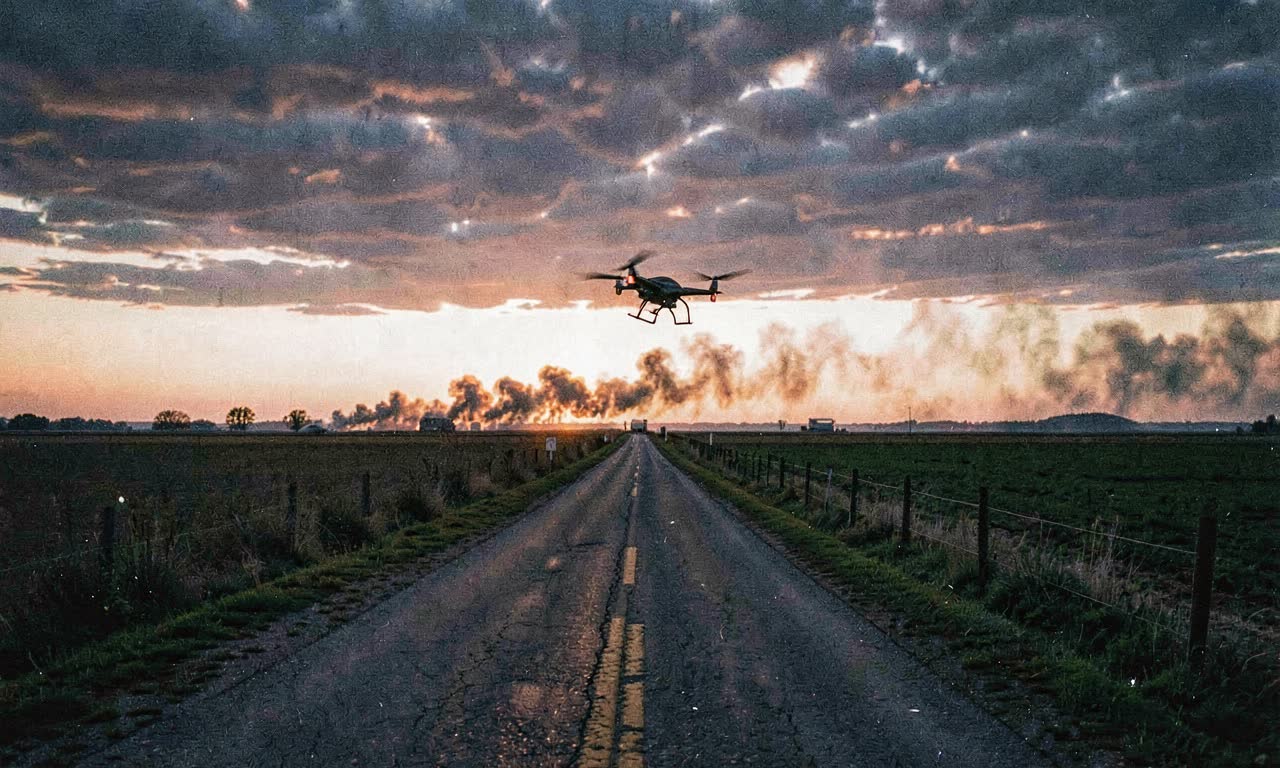
BBC Verify has confirmed footage of at least 14 incidents in the past week of Ukrainian AI-guided drones striking Russian supply convoys along critical routes connecting Russia to Crimea and occupied southern Ukraine. The drones are hitting targets over 100 miles from the front line — and they can keep attacking even when Russian electronic warfare jams human control signals.
This isn’t a policy debate about autonomous weapons. It’s a war zone. And the AI is already flying.
What are the Hornet drones?
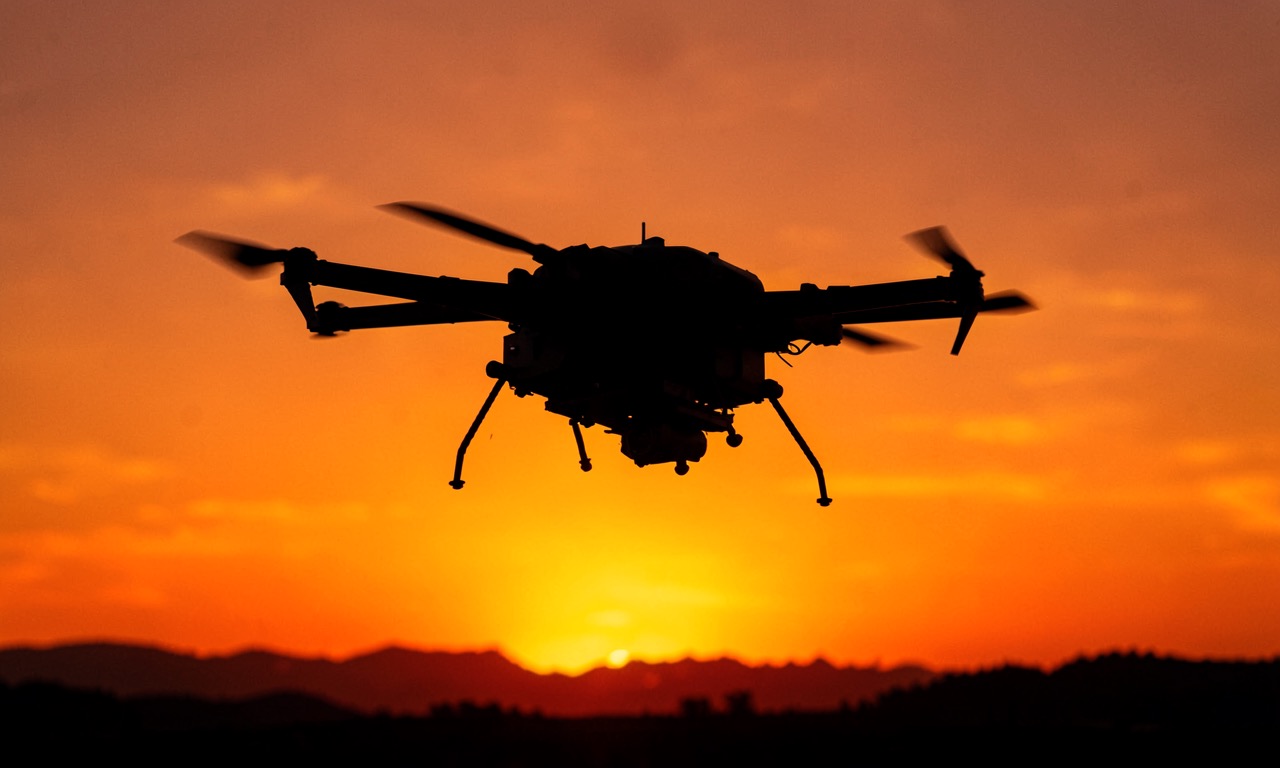
What is the Hornet drone system? The Hornet is an AI-targeting drone system developed by Ukraine, trained on thousands of hours of video of Russian military targets gathered over four years of war. The AI can identify and engage targets autonomously, even when Russian jamming cuts the link to human operators. The drones also connect via Starlink satellite for longer range and jamming resistance.
Nick Brown, a weapons expert from defence intelligence company Janes, told BBC Verify: “Ukraine can launch hundreds of these loitering munitions towards a rough target area over 100 miles away and then use AI to detail them on to Russian military targets as they find them.”
That’s the key shift. Previously, jamming a drone’s control signal meant it crashed or flew blind. Now, the AI takes over — the drone keeps hunting even when the human can’t reach it. It’s the difference between a remote-controlled toy and an autonomous weapon.
The logistics lockdown
Ukraine’s defence minister, Mykhailo Fedorov, said the “logistics lockdown” strategy aims to “increase pressure on the Russian military in the rear and deny the enemy the ability to conduct sustained offensive operations.”
BBC Verify and GeoConfirmed open source analysts confirmed the destruction of at least 150 vehicles more than 20km from the front line, though analyst Clément Molin from think tank Atum Mundi said this likely accounts for about half of all incidents.
The impact is already visible:
- Russian commanders have limited movement of heavy equipment in southern Ukraine
- Russia has been forced to shorten convoys as a “quick coping mechanism”
- Vladimir Saldo, the Russian-appointed leader of occupied Kherson, has restricted civilian traffic along key supply routes
- Russian forces are attempting to evade drones by using fields and dirt roads instead of main routes
Robert Tollast, a land warfare expert at the Royal United Services Institute, told BBC Verify that some brigades need up to 1,000 tonnes of fuel, food, and ammunition every day. Cutting that supply chain at 100km+ distances with small drones is, as he put it, “a very serious problem for the Russians.”
Ukraine is gaining ground
The Institute for the Study of War (ISW) reports that Ukraine is starting to regain more ground than it is losing for the first time since 2023. George Barros from ISW said Ukraine’s “drone superiority” has neutralised Russia’s attempts to gain advantage through overwhelming troop numbers.
But Barros added a critical caveat: the advantage may be short-lived. Russia will very likely develop countermeasures, and AI warfare is an arms race, not a permanent edge.
The autonomy question
Ukraine’s defence intelligence chief has said the “next stage of warfare will be defined by autonomy.” That’s not a prediction — it’s a description of what’s already happening. When a drone can find, identify, and engage a target without human input because the control link is jammed, the line between “human-in-the-loop” and “autonomous weapon” isn’t just blurred. It’s gone.
This is the real AI warfare story — not the one about ethical frameworks and UN panels. The drones don’t care about Geneva conventions. They care about target recognition algorithms and Starlink connectivity. And they’re getting better at both.
🔍 THE BOTTOM LINE
Ukraine’s AI drones are operational, effective, and confirmed by BBC Verify. They’re striking supply lines over 100 miles away, continuing missions even when jammed, and forcing Russia to reroute convoys through fields. The “autonomous weapons debate” is over in practice — the weapons are here. The question now is whether any framework exists to control something that’s already been deployed.
❓ Frequently Asked Questions
Q: What does this mean for NZ? NZ has no direct involvement in the Ukraine conflict, but as a small nation dependent on supply chains, the demonstrated ability of AI drones to disrupt logistics at scale is strategically relevant. NZ’s defence strategy has not publicly addressed autonomous drone warfare.
Q: Are these fully autonomous weapons? When Russian jamming severs the control link, the Hornet drones use AI to independently identify and engage targets. Whether this constitutes “full autonomy” depends on definitions — but functionally, the drone is making its own targeting decisions in those moments.
Q: Can Russia develop countermeasures? Almost certainly. ISW’s George Barros expects Russia will develop countermeasures, calling Ukraine’s current advantage potentially “short-lived.” AI warfare is an offence-defence arms race, and neither side holds a permanent edge.
SOURCES
- BBC News — Ukraine using AI drones to strike vital Russian supply lines
- BBC Verify — Footage analysis and confirmation
- Institute for the Study of War — Ground assessment
- Janes — Weapons analysis (Nick Brown)
- Atum Mundi — Vehicle destruction confirmation (Clément Molin)
- Royal United Services Institute — Logistics analysis (Robert Tollast)