When people talk about AI taking jobs, the conversation usually centers on coders, analysts, and office workers. UPS is telling a different story — and it involves 30,000 delivery drivers and warehouse workers.
78,000 Jobs Gone in Under a Year
UPS announced it will cut up to 30,000 operational positions in 2026, following 48,000 job eliminations in 2025. That’s 78,000 positions shed in under 12 months from a company that employed roughly 500,000 people at the start of 2025.
The cuts are happening through attrition (not replacing departing workers) and voluntary separation packages for full-time drivers. CFO Brian Dykes explicitly said layoffs are not planned — but the result is the same: fewer jobs, fewer workers, fewer routes.
Twenty-four facilities will close in the first half of 2026 alone.
The Amazon Factor — And the AI Factor
The headline driver is Amazon. UPS is reducing Amazon package volume by more than 50%, cutting roughly 1 million packages per day from its network. Amazon has been building its own delivery empire — handling 6.3 billion US deliveries in 2024, surpassing both UPS and FedEx.
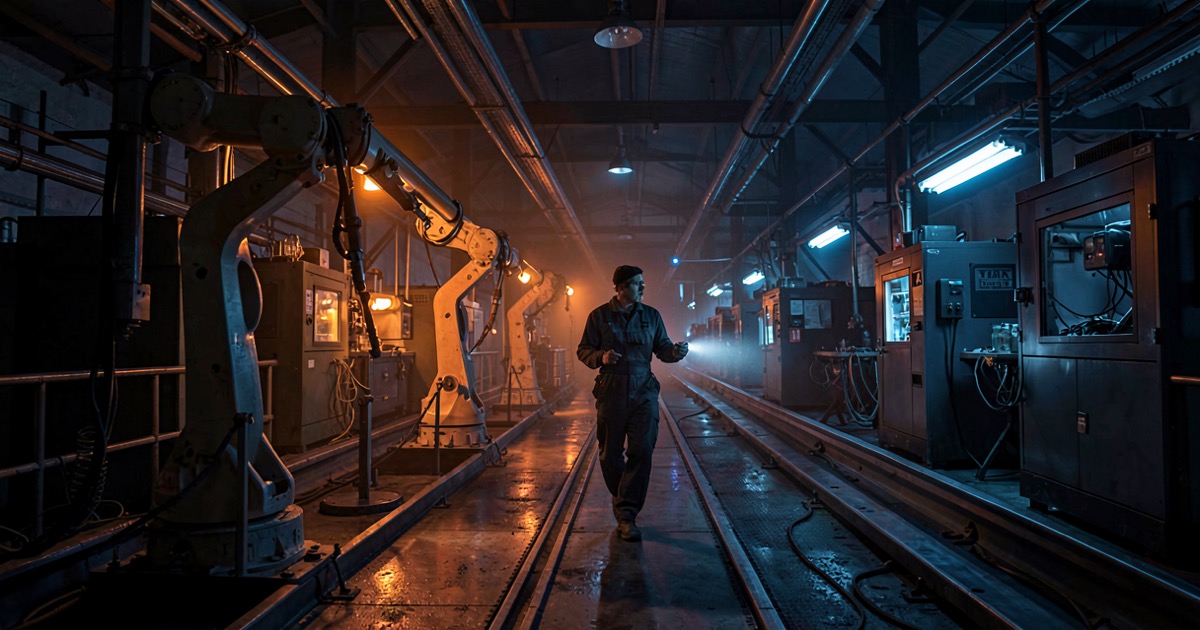
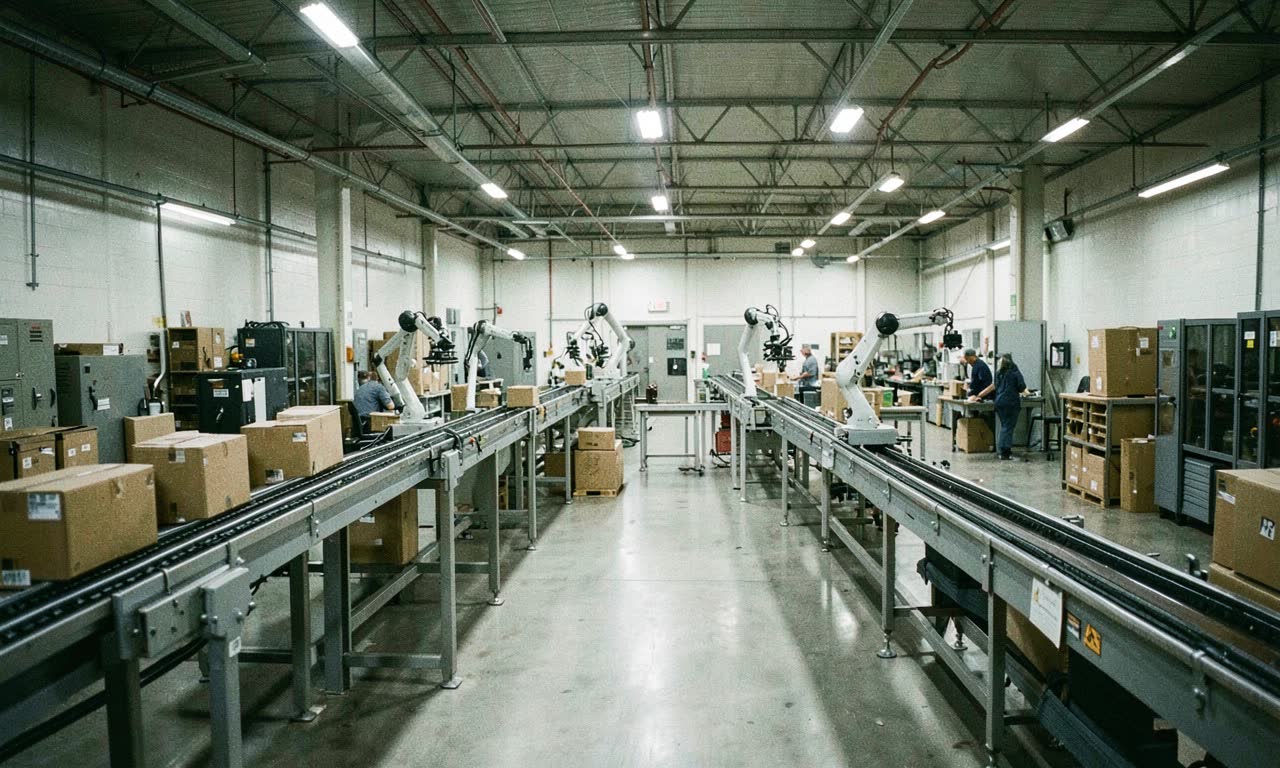
But Amazon volume isn’t the whole story. UPS CFO Brian Dykes also pointed to automation initiatives including automated sorting and AI-driven routing as part of the cost-saving strategy. The company estimates $3.5 billion in savings for 2025 and targets another $3 billion in 2026.
This is the part that matters beyond UPS: AI-driven logistics optimization means fewer humans needed per package. When AI can dynamically route deliveries, predict demand, and automate sorting, you don’t just need fewer analysts — you need fewer drivers and warehouse workers.
What Blue-Collar AI Displacement Looks Like
The tech industry layoffs of 2024-2026 were dramatic, but they affected a relatively narrow slice of the workforce. Software engineers, product managers, data scientists — people with skills and options.
The UPS cuts hit differently. These are delivery drivers, warehouse workers, sorters, loaders — roles that historically seemed automation-proof because they required physical dexterity and local knowledge. AI routing systems and automated sorting facilities are changing that calculation.
And UPS isn’t alone. According to FreightWaves, over 3,100 freight and manufacturing job cuts have been announced since mid-January 2026 alone:
- Macy’s closing a 1.3 million sq ft fulfillment center — 993 workers
- Kuehne+Nagel shutting a Georgia logistics operation — 153 positions
- WiseTech Global cutting nearly 2,000 jobs (30% of workforce) in an AI-driven restructuring
The Paradox: Same Volume, Fewer People
UPS insists service won’t degrade. The company is investing in efficiency improvements with the goal of handling the same profitable volume with fewer people and facilities. The question is whether that math holds up.
Industry analysts note that when thousands of logistics workers are cut simultaneously across dozens of companies, institutional knowledge leaves with them. Rebuilding that workforce during a demand recovery takes months, not weeks.
Why This Matters Beyond Shipping
The UPS restructuring is a signal event in the AI displacement story because it demonstrates something many assumed wouldn’t happen yet: AI and automation are eliminating physical logistics jobs, not just knowledge work.
If the world’s largest delivery company can shed 15% of its workforce in a year while maintaining service — and explicitly credits AI and automation as contributing factors — then no industry category is truly safe.
The narrative that blue-collar and logistics work would be among the last to be automated is being tested in real time. The results are arriving faster than expected.
The Bigger Picture
What’s happening at UPS illustrates a pattern that’s becoming clearer across industries:
- AI-driven efficiency lets companies do more with fewer people
- Strategic restructuring (like dropping Amazon volume) creates the cover story, while automation handles the execution
- Attrition and buyouts make the numbers look less dramatic than mass layoffs, but the workforce reduction is real
- The workers affected have fewer alternative career paths than displaced tech workers
For logistics workers specifically, the message from UPS is unambiguous: the company is investing in automation, AI routing, and network optimization precisely so it can operate with fewer humans. The “voluntary” in voluntary separation doesn’t change the direction of travel.
SOURCES
- Entrepreneur — “Why Delivery Giant UPS Is Eliminating 30,000 Jobs This Year”
- Bloomberg — “UPS to Cut Another 30,000 Jobs in Sweeping Cost-Savings Push”
- FreightWaves / CXTMS — “The March 2026 Logistics Layoff Wave”
- CNBC — UPS Q4 2025 earnings call coverage