An unexpected job category has emerged from the AI boom, and it is not prompt engineering. It is cleaning up after the machines.
According to internal platform data reported by The Guardian, job listings on Freelancer.com tagged with phrases like “correct AI”, “AI hallucination” and “AI error” rose 87 percent to 10,760 globally between August 2025 and June 2026. Upwork says AI remediation gigs jumped 70 percent year over year. Fiverr saw keyword searches for “AI cleanup” services grow more than twenty times between 2023 and 2026.
🔍 THE BOTTOM LINE
AI’s arrival in creative and content work has generated a second-order labour market: humans hired to humanise AI copy, repair botched images, and salvage flawed footage. The demand is real and growing fast. Whether it is a career or a stopgap is the question freelancers themselves are divided on — and their answer matters for anyone wondering what “AI-proof” work actually looks like.
What the Cleanup Economy Looks Like
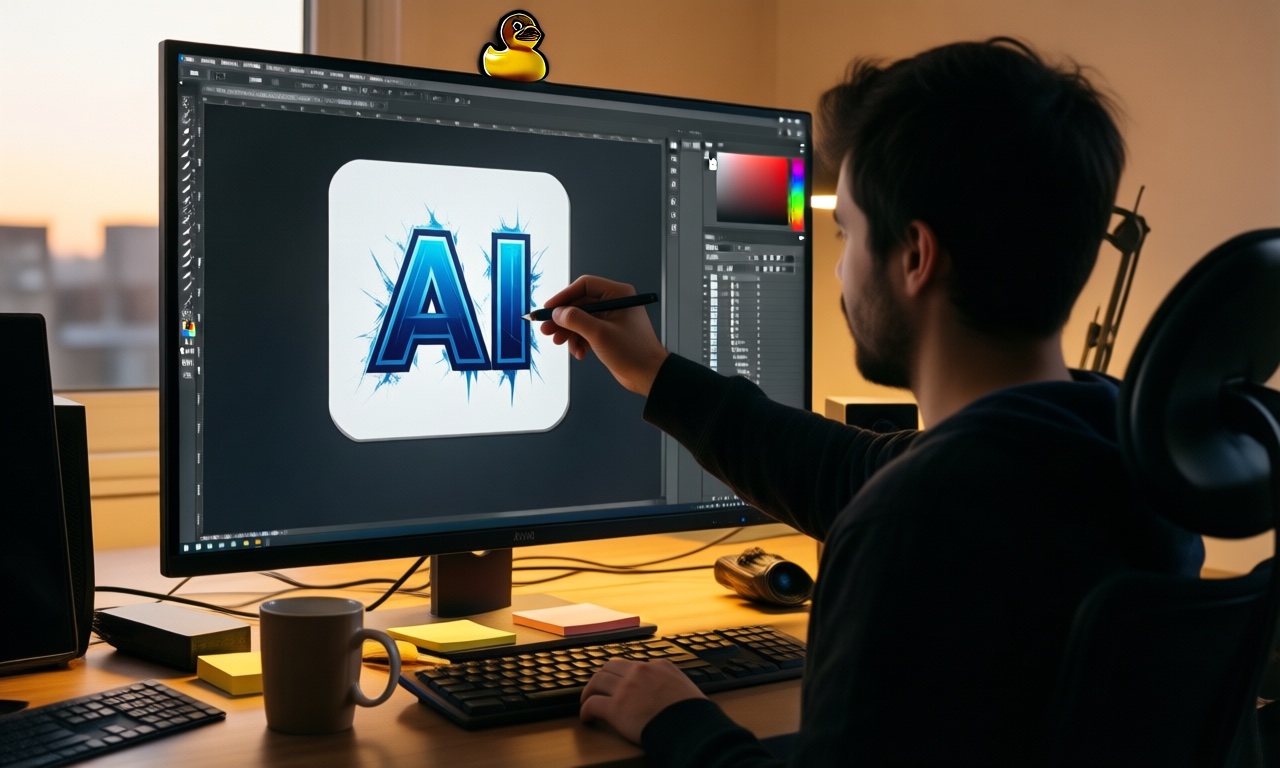
The Guardian’s reporting centres on freelancers like Lisa, a graphic designer in Spain who told the publication that by 2025, 90 percent of her incoming logo and packaging requests involved fixing AI-generated designs — work that accounted for 60 to 70 percent of her annual income. Clients lowballed the jobs, some AI designs were so flawed she had to recreate them from scratch, and she worried about being complicit in copyright issues. By year’s end she began turning the work down. Her summary of the work: “It was just so soulless.”
Others are leaning in. The cleanup gigs pay, and they arrive in volume. The pattern the Guardian describes: small companies and entrepreneurs use AI to produce a first pass, then hire a professional when the output needs to be genuinely usable.
Freelancer.com’s CEO Matt Barrie told the Guardian the cleanup work is mostly commissioned by small businesses. The concentration by category: graphic design first, then video editing, proofreading and content writing.
The Context: Freelancing Itself Is Harder
The cleanup boom sits inside a squeezed market. The Guardian cites a 2025 study in Management Science finding freelance listings exposed to automation fell 21 percent in the eight months after ChatGPT launched, with image-creation gigs down 17 percent after AI image generators arrived — losses that continued per a 2026 study. Meanwhile more workers are freelancing as companies cut staff: the average project on Freelancer.com drew 54 bids in 2025, up 8 percent year on year, per the platform’s annual report.
So the honest picture is mixed: automation removed some original creative work, and AI’s imperfections created new remediation work to replace part of it. The net effect on any individual freelancer depends heavily on which side of that trade they land.
Why This Matters Beyond Freelancers
The remediation boom is a data point against the simplest version of the automation story. When a technology creates errors at scale, it creates demand for the skills to fix them — and those skills are human: taste, context, quality judgement, knowing what a real brand looks like. Upwork’s own research frames AI-generated work as creating more work for humans, not less.
It is also a warning about durability. Freelancers interviewed by the Guardian ask how long the demand lasts as AI improves. A job whose existence depends on a tool being bad at something has a shelf life. That makes cleanup work best treated the way the freelancers who profit from it treat it: as a bridge income stream and a client relationship builder, not a five-year plan.
For New Zealand’s substantial freelance and small-studio community, there is a practical angle. The same qualities clients pay for in cleanup — judgement, craft standards, taste — are the qualities that command premiums in original work. PwC’s global jobs data shows roles combining AI fluency with human expertise growing fastest and paying most. The freelancers quietly building cleanup expertise are accumulating exactly that combination.
FAQ
What is “AI slop cleanup” work? Freelance jobs fixing low-quality AI-generated output: repairing flawed images, humanising AI-written copy, proofreading, and making AI-produced designs usable for print or production.
How fast is AI cleanup work growing? Per platform data reported by The Guardian: listings tagged with AI-correction phrases on Freelancer.com rose 87 percent between August 2025 and June 2026; Upwork AI remediation gigs rose 70 percent year over year; Fiverr searches for AI cleanup grew more than 20x since 2023.
Is AI cleanup work a good career? It is growing and can be lucrative, but freelancers themselves question its durability as AI improves. It is better treated as a bridge income stream than a long-term specialty.
Related reading: New Zealand’s AI Hiring Has More Than Doubled in a Year, Young Workers Flee Digital for Heritage Crafts, and Reddit’s AI Marketing Slop Crackdown.
— CJ Murden, editor of Singularity.Kiwi. Former digital technologies teacher, author of AI-focused books. Writing with a New Zealand focus.