Here’s the standard AI jobs story: AI is coming for your job, you can’t stop it, reskill or die. The APAC region tells a more interesting version — workers here report the highest AI job loss anxiety globally, but older workers are quietly proving that pivoting into AI roles works better than anyone predicted.
The panic is real. The success stories are too. And the gap between the two tells you something important about what’s actually happening.
🔍 THE BOTTOM LINE
APAC workers are the most anxious about AI job loss globally — but the data shows older workers are pivoting successfully. The real risk isn’t AI replacing you. It’s assuming you can’t adapt.
The Anxiety Numbers
A global report forecasts that nearly 80,000 tech-sector jobs have been cut in 2026 so far, attributed directly or indirectly to AI implementation and workflow automation. The cuts are expected to continue through the end of the year.
4,450 Australian tech jobs were cut this year alone. And APAC workers report the highest levels of AI-related job anxiety globally — higher than North America, higher than Europe.
That anxiety isn’t irrational. The layoffs are happening. The automation is real. But the anxiety creates a psychological trap: if you believe AI will make your skills worthless, you’re less likely to invest in learning the very skills that would protect you.
The Surprising Pivot Data
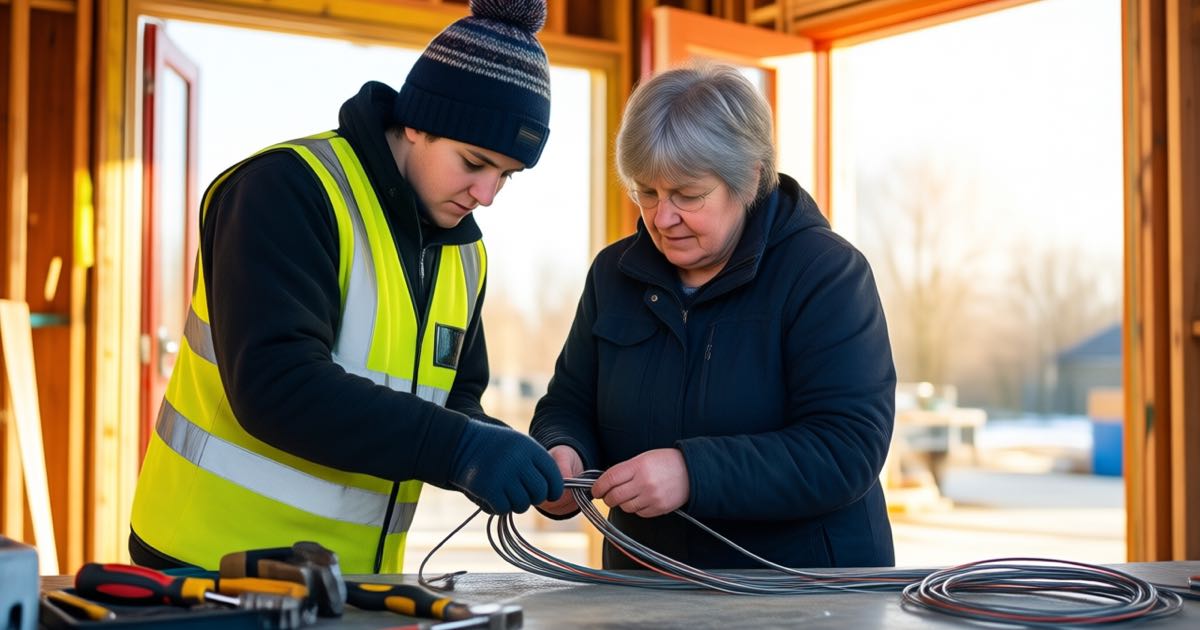
Here’s what the panic narrative misses: older workers are successfully pivoting into AI roles.
The NZ Herald/RNZ report highlights that demand for AI-related skills has grown significantly, and workers in their 40s, 50s, and beyond are acing the transition. This isn’t what the demographics of tech disruption were supposed to look like.
Why? Three reasons:
-
Domain expertise compounds with AI tools. A 50-year-old accountant who learns to use AI-powered analysis tools brings 25 years of understanding financial regulations, edge cases, and client relationships. A 25-year-old AI specialist brings the tool. The combination beats either alone.
-
Older workers have lived through tech shifts before. They moved from paper to spreadsheets, from desktop to cloud, from in-person to remote. AI is the next shift, not the first one. The psychological resilience from surviving previous disruptions is a real advantage.
-
AI tools are getting easier to use. You don’t need to understand transformer architecture to use ChatGPT effectively. As AI tools become more natural-language and less technical, the barrier to productive use drops — and domain experts gain more than pure technologists.
The Real Risk Gradient
The job market isn’t splitting into “AI people” and “everyone else.” It’s splitting into three groups:
- AI builders — People creating and maintaining AI systems. Small group, high demand, high barrier to entry.
- AI-augmented workers — People using AI tools to do existing jobs faster and better. Large and growing group, moderate barrier to entry.
- AI-displaced workers — People whose jobs are automated and who don’t adapt. Also real, also growing.
The APAC anxiety data suggests most workers think they’re headed for group three. The pivot data suggests group two is where the opportunity actually is — and it’s more accessible than people think.
What This Means for NZ Workers
NZ-specific context matters here:
- NZ’s tech sector is smaller and more concentrated than Australia’s, meaning fewer total layoffs but also fewer alternative positions to move into
- NZ’s distance from major AI hubs means remote AI-augmented work is disproportionately important — you’re more likely to use AI tools for a job based elsewhere than to get hired by an AI company locally
- The “she’ll be right” cultural tendency to delay action until crisis hits is a liability here — the workers who started learning AI tools six months ago are the ones getting promoted now
The practical advice is straightforward: don’t try to become an AI engineer. Try to become the person in your field who’s best at using AI tools. That’s the pivot that’s working for older APAC workers, and it’s the one most accessible to NZ workers too.
The Numbers Behind the Narrative
- ~80,000 tech jobs cut globally in 2026 (year to date)
- 4,450 Australian tech jobs cut this year
- APAC workers report highest global AI job loss anxiety
- Older workers are successfully pivoting into AI-augmented roles
- AI skills demand continues to grow across all sectors
We’ve covered the layoff numbers before — 20K jobs gone in a single week when Meta and Microsoft cut simultaneously. But the anxiety-to-action gap is the new story. The people losing sleep over AI job loss and the people successfully adapting are often in the same demographic — the difference is whether they started learning.
❓ Frequently Asked Questions
Q: What AI skills should I learn? Start with what you already do — and learn to do it with AI tools. An accountant should learn AI-powered financial analysis, not Python. A marketer should learn AI content tools, not model training. The most valuable skill is domain expertise + AI fluency, not AI expertise alone.
Q: Is the older worker pivot data reliable? The sample sizes in APAC are still small, and success stories are inherently more visible than failures. But the pattern is consistent across multiple industries and countries. The mechanism — domain expertise + AI tools > AI tools alone — is logically sound even if the data is still early.
Q: What about the people who actually get displaced? They’re real and the support systems for them are inadequate. Reskilling programmes exist but are underfunded, and the gap between “learn to code” advice and actual job placement remains huge. Acknowledging that some people successfully pivot doesn’t mean ignoring those who don’t.
Q: Is NZ different from the rest of APAC? Yes, in scale if not in kind. Fewer jobs, fewer alternatives, more distance from AI company headquarters. Remote work and AI-augmented roles are disproportionately important for NZ workers because the local AI industry is too small to absorb displaced workers.
🔍 THE BOTTOM LINE
The APAC AI jobs story isn’t “AI takes all jobs” or “everyone can just reskill.” It’s that the gap between anxiety and action is the most important variable — and older workers, counterintuitively, are proving that action works. The question for NZ isn’t whether AI will disrupt jobs. It’s whether we’ll learn from the people who are already adapting, or wait until the cuts come here.
SOURCES
- NZ Herald / RNZ — “AI jobs surge as global tech layoffs mount and older workers adapt fast” (April 21, 2026)
- Global tech layoff report (2026 year to date)