Answer-First Lead
China’s first update to its trade secret regulations since 1998 went into effect on June 1, 2026, and for the first time explicitly classifies “algorithms, data, computer programmes, and codes” as trade secrets. The new SAMR rules impose fines up to 5 million yuan (NZ$1.1M), mandate cross-border collaboration logs, and require access controls for remote work — building a legal wall around Chinese AI that the rest of the world can’t climb over.
🔍 THE BOTTOM LINE
China didn’t just update a regulation — it gave AI nationalism a legal backbone. If your AI company operates in China or collaborates with Chinese researchers, the rules just changed overnight.
🏛️ What Changed
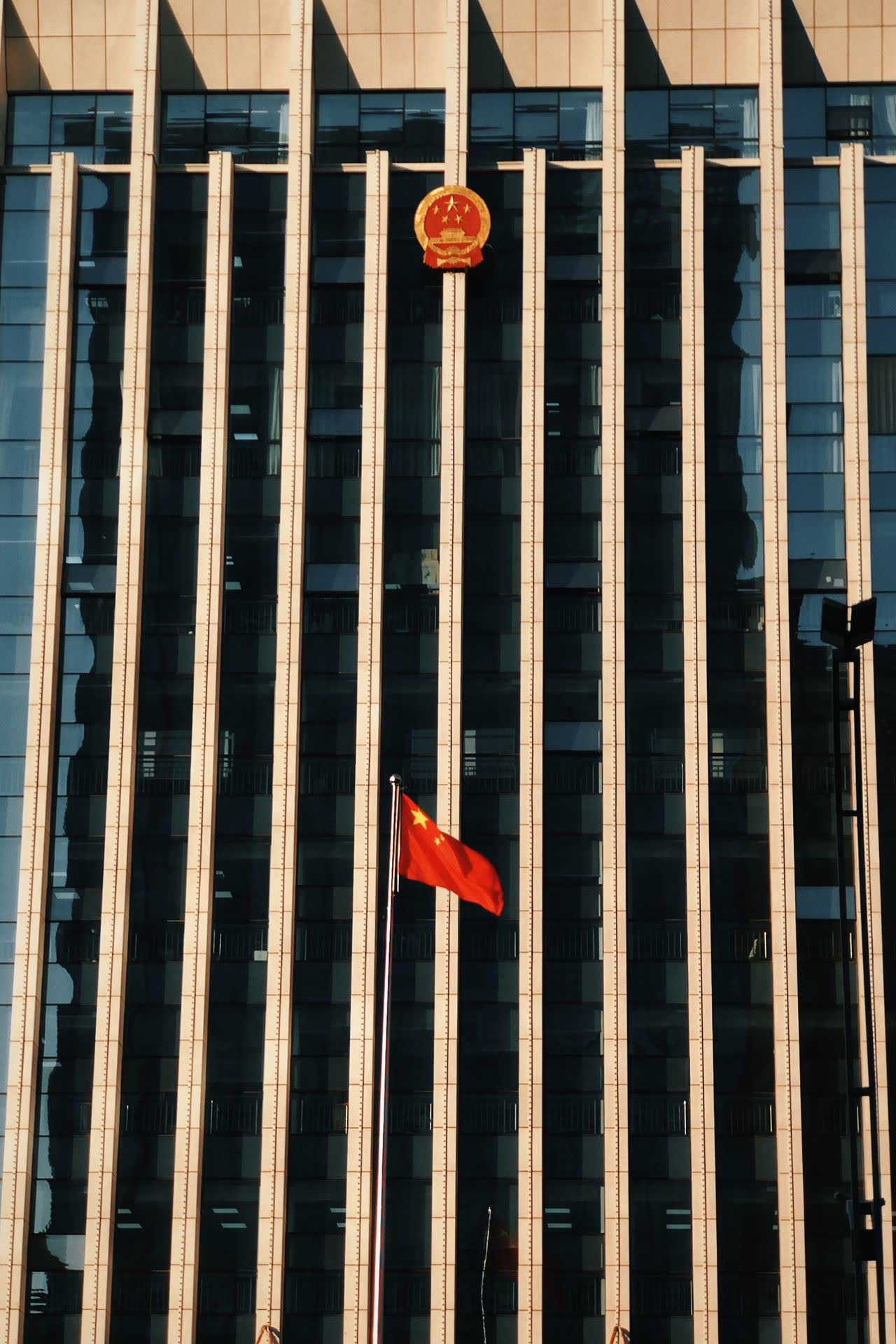
The State Administration for Market Regulation (SAMR) released the Regulations on the Protection of Trade Secrets (商业秘密保护规定) on February 28, with an effective date of June 1, 2026. This is the first significant update since the original 1998 framework.
The key additions:
- Algorithms and computer programmes are now explicitly listed as trade secrets — not just “technical information” in general, but specifically named
- Data appears as both a technical and business trade secret category
- Cross-border collaboration now requires detailed logs of who accessed, copied, or modified data
- Remote work faces mandatory access controls and data anonymisation requirements
- Fines of up to 5 million yuan (approximately €630,000 / NZ$1.1M) for confirmed violations
- Reporting mechanism — individuals and companies can report trade secret disclosures, triggering SAMR investigation
Anything already described in media or open reports is excluded. But the definition of “not publicly known” is broad — if information isn’t “generally known or easily accessible to relevant personnel in the field,” it qualifies.
🔒 The Cross-Border Squeeze
Here’s where it gets uncomfortable for anyone outside China:
The regulations set out strict measures for remote work and cross-border collaboration. That means a Chinese AI engineer working remotely for a foreign company — or a Chinese startup sharing model weights with an overseas partner — is now operating under a compliance regime that logs every interaction.
What is AI nationalism? AI nationalism is the trend of countries treating AI capabilities as strategic national assets, restricting their export, talent flow, and cross-border collaboration through legal and regulatory mechanisms. It treats AI like uranium — too dangerous to share, too valuable to lose. For example, both the US and China now restrict frontier model exports and talent movement.
This isn’t happening in isolation. In the same week:
- China issued sweeping new rules tightening overseas deals involving Chinese investors, technology, data, and national security
- Beijing blocked Meta’s acquisition of China-founded Manus AI in May
- The government is restricting the movement of AI talent abroad
📊 Context: The AI Sovereignty Race
| Country | Move | Date |
|---|---|---|
| China | Trade secret rules cover AI/data; talent restrictions | June 2026 |
| US | Chip export controls; AI diffusion rule | 2023–2026 |
| EU | AI Act compliance enforcement | August 2025+ |
| India | Draft generative AI export controls | 2026 |
| NZ | AI guidance for regulators (Ministry for Regulation) | June 2026 |
Every major player is building walls around their AI. China’s move is just the most explicit — instead of banning exports (which they’re also doing), they’ve made it legally hazardous for AI knowledge to leave the country through any channel, including employment and collaboration.
🇳🇿 What This Means for NZ
New Zealand doesn’t have a horse in the frontier AI race, but it does have something China wants: clean electricity for data centres. The Kākāriki Renewables proposal argues NZ could become an AI data centre hub, citing renewable energy and political stability.
But if China’s AI can’t legally leave China, and NZ’s AI sector is almost entirely built on foreign models (OpenAI, Anthropic, Google), then NZ’s “AI hub” pitch is really an “AI compute hub” pitch — we’d host the hardware but never touch the software. The trade secret rules make that distinction sharper.
For NZ companies doing business in China or collaborating with Chinese AI researchers, the compliance burden just got heavier. Any shared code, data, or model access now falls under a regulatory regime that can fine you 5 million yuan and investigate based on a single report.
⚖️ The Other Side
China’s government frames this as consumer protection and fair competition — the SAMR is also running a “Enterprise Trade Secret Protection Capacity Enhancement Service” month in June to help businesses understand the new rules. The official line is that stronger trade secret protection benefits everyone, including foreign companies operating in China who can now report IP theft.
That’s not entirely wrong. China has long been criticised for weak IP enforcement. These rules could help foreign companies protect their own trade secrets in China. But the explicit inclusion of AI and data — combined with simultaneous talent and export restrictions — suggests the primary beneficiary is the Chinese state’s ability to keep AI capabilities in-country.
🤔 The Bigger Picture
China’s trade secret update is part of a pattern: every major economy is locking down AI. The US has chip export controls. The EU has the AI Act. India has draft export rules. Now China has trade secret laws that cover algorithms and data.
The result is a fragmenting AI landscape where collaboration becomes legally complex, talent mobility drops, and the open-source AI movement — which depends on cross-border contribution — faces an increasingly hostile regulatory environment.
For researchers, the uncomfortable truth is that publishing your AI work openly may soon put you on the wrong side of trade secret law in multiple jurisdictions simultaneously. The golden age of open AI research is ending — not with a ban, but with a fine.
❓ Frequently Asked Questions
Q: Does this affect NZ companies? If your company has employees in China, shares AI code with Chinese partners, or collaborates with Chinese AI researchers, yes. The cross-border logging and access control requirements now apply to your work. Check with legal counsel.
Q: Can foreign companies use these rules to protect their own IP in China? Technically yes — the regulations apply to any trade secret holder in China. But enforcement is through SAMR, a Chinese government agency. How effectively it protects foreign interests remains to be seen.
Q: What’s the penalty? SAMR can issue fines up to 5 million yuan (NZ$1.1M) and injunctions. Criminal and civil litigation remain separate paths — this adds an administrative enforcement mechanism that’s faster and cheaper than going to court.
Q: Is this just a China thing? No. The US has chip export controls restricting AI hardware. The EU’s AI Act restricts AI model deployment. India has draft rules restricting AI exports. AI nationalism is global — China’s trade secret update is just the most explicit example of a worldwide trend.
🔍 THE BOTTOM LINE
China’s trade secret rules didn’t create AI nationalism — they codified it. When algorithms are state secrets and data is a national asset, the question isn’t whether AI will fragment along geopolitical lines. It’s how fast.
📰 Sources
- Bloomberg: China Adds Data and AI to Trade Secret Rules to Block Leaks
- Euronews: New trade secret rules — China says its AI data is none of your business
- China Briefing: China’s New ODI Regulation 2026
- China IP Law Update: SAMR Trade Secret Regulations
- SAMR: Regulations on the Protection of Trade Secrets (Chinese)