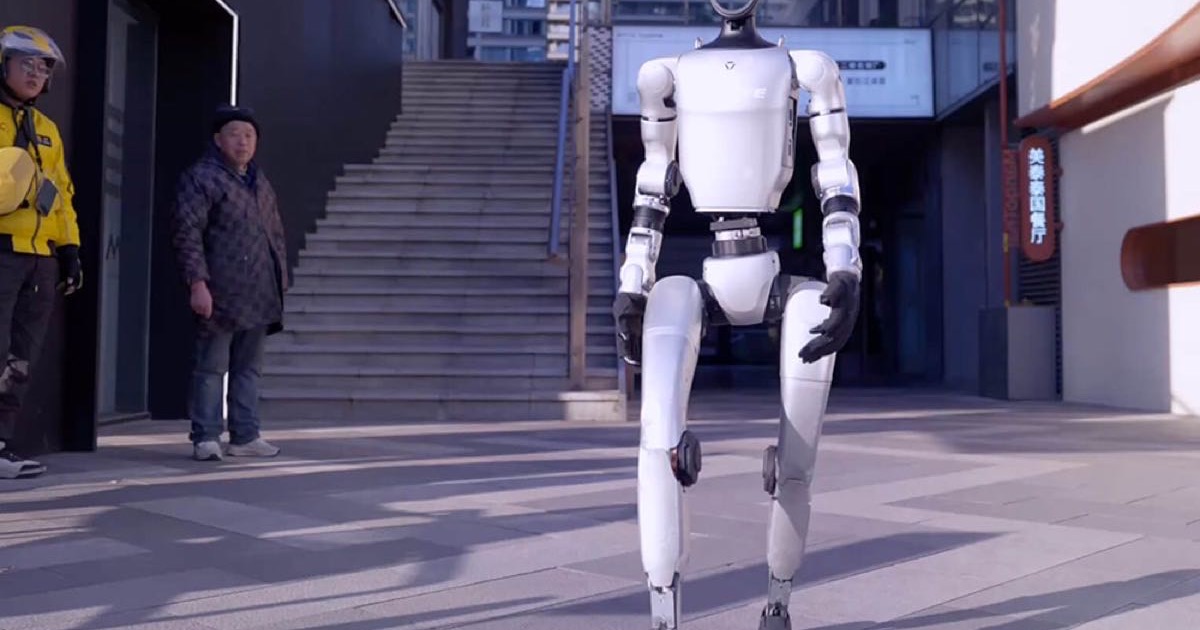
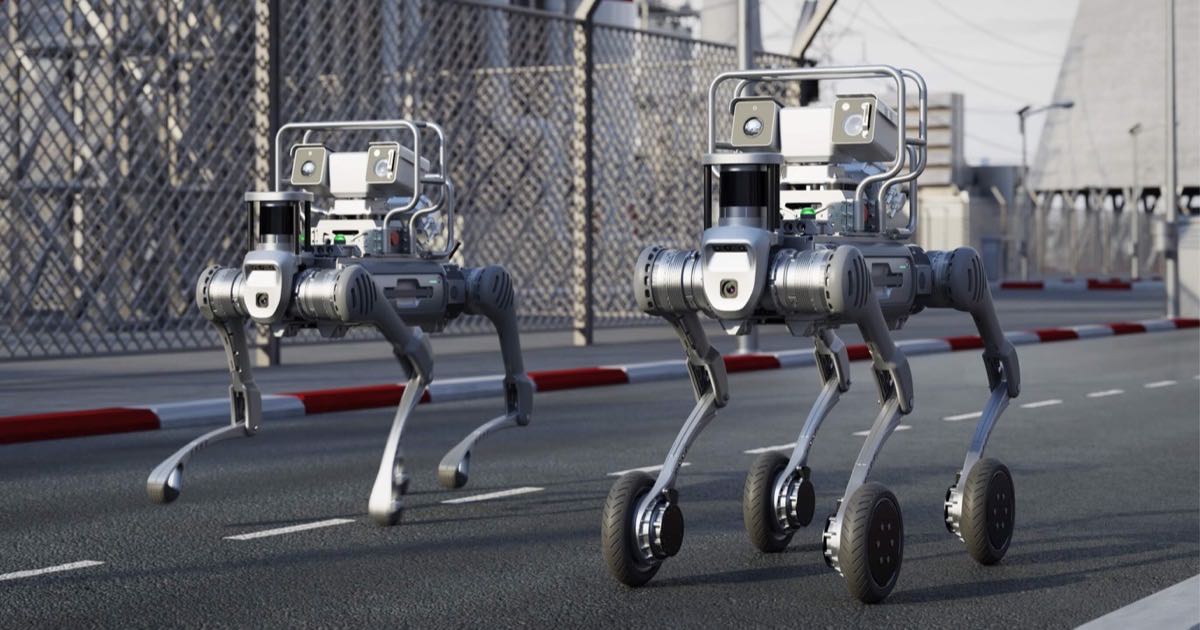
China’s securities regulator is quietly rewriting who gets to be a public humanoid robot company. CNBC reported on 29 September, citing three sources familiar with the China Securities Regulatory Commission’s thinking, that “window guidance” now requires humanoid-focused embodied-AI startups seeking public listings to meet three criteria: sustainable revenue with real commercial orders, losses on a narrowing trajectory (with a three-year forecast), and possession of core technology “such as robotic brain or hands.” A startup may only need to satisfy two of the three — but per CNBC’s sources, it is “unclear which, if any, of the companies can do so,” and expectations have dropped to “just a handful, or none.” At least two dozen humanoid-related companies have already filed to list in Hong Kong alone. The CSRC did not respond to CNBC’s request for comment, and the story is appropriately hedged throughout: this is reporting on regulator intentions, not published policy.
The slowdown itself is not new — it has been visible for three weeks. Reuters, via RTÉ, reported on 21 September that regulators had used informal window guidance to hold back some humanoid listings, with one source saying humanoid IPOs had “effectively been frozen” and another insisting there was no formal ban. What CNBC adds on Tuesday is specificity: the actual criteria, the claim that even a two-of-three threshold may clear almost nobody, and the scale of the queue — two dozen filings in Hong Kong plus mainland aspirants, all of which need CSRC blessing for offshore listings.
The trigger event is well documented. Unitree, the sector’s posterchild, got a regulatory fast-track to its 19 August Shanghai debut timed to the World Robot Conference, raised about 6.1 billion yuan ($905 million), and watched shares close the first day up more than 460% at 845 yuan. Then the floor gave way: per CNBC the stock “had nearly halved in price as of Monday, at 459.65 yuan” — and on Tuesday it hit fresh lows, with Chinese financial media reporting an intraday low of 450.70 yuan and market value down 260 billion yuan from its debut high of 1,100 yuan. Founder Wang Xingxing himself told the conference the day after listing that commercialization “beyond dancing robots” remained years away. Hong Kong-listed Ubtech, meanwhile, is down more than 40% this year and still posted a 279 million yuan operating loss in H1. Rhodium Group analysis, cited by CNBC, found China’s AI companies generate only about 10% of the revenue of Anthropic and OpenAI, with valuation-to-revenue ratios far higher for Chinese startups.
Read as one sequence, this is Beijing applying a quality filter it should perhaps have applied before the debut, not after. The window-guidance mechanism — informal, unpublicized, deniable — is how Chinese financial regulation actually works, but it produces exactly the whiplash that burned Unitree’s retail investors: a government showcase IPO in August, a de facto freeze by September. The test itself is blunt but honest. Revenue tied to state-backed pilot projects is not commercial demand, as Reuters’ sources put it, and a sector where China shipped 77.9% or more of global humanoid units in H1 while the flagship stock halves in six weeks has a valuation problem no listing queue can paper over. Investment in the sector hit 47.09 billion yuan in Q2 alone, more than doubling Q1 — capital is arriving faster than customers.
The global read is less obvious than “China slows down.” Unitree’s IPO was the sector’s proof point — oversubscribed by many thousands of times, a 629% debut pop — and its collapse is now the sector’s cautionary tale, setting the terms on which the next wave of embodied-AI companies gets to face public markets anywhere. For the Western startups racing toward their own listings and raises — 1x, Figure, and the rest — the message travels: the most robot-forward government on Earth has concluded dancing demos don’t justify nine-figure valuations, and it is using the only tool it has to say so. New Zealand investors reading the humanoid headlines should note what the discipline looks like from inside: not a crash, not a ban, just a regulator quietly deciding that revenue has to be real. That is worth waiting for — the robots are not going anywhere, but a fair few of their business models might.