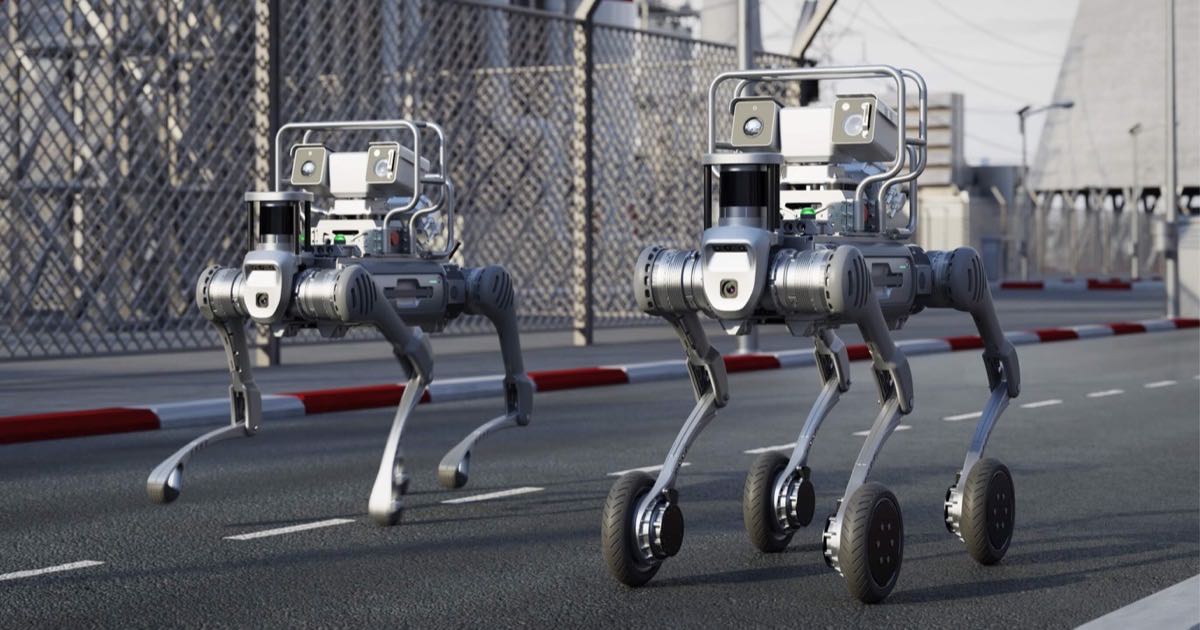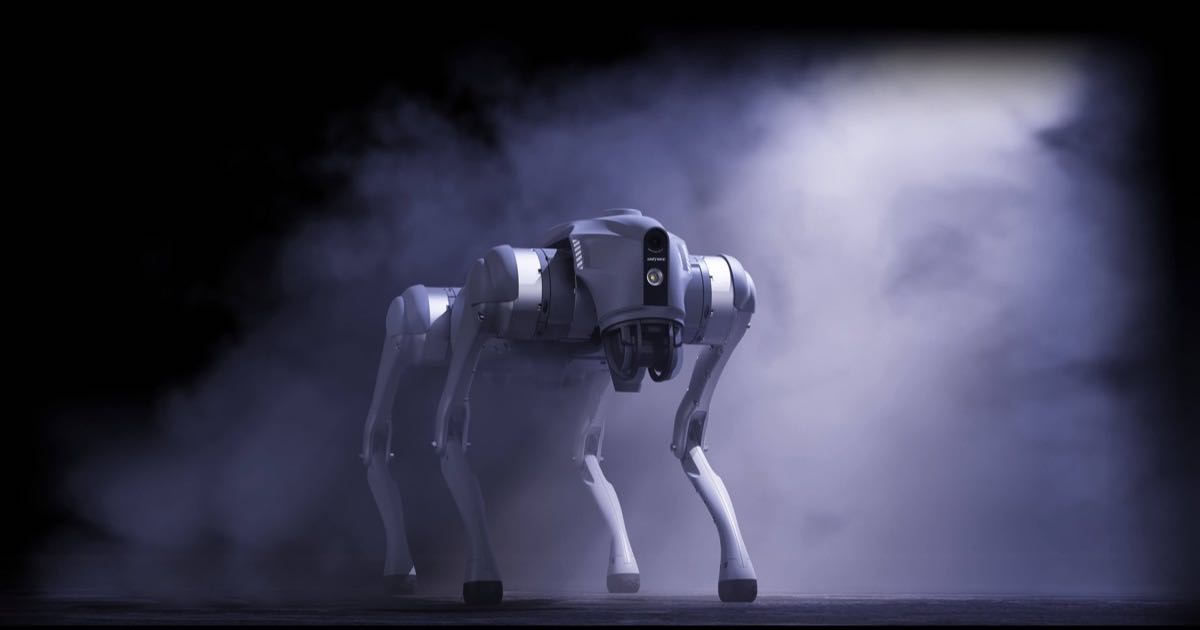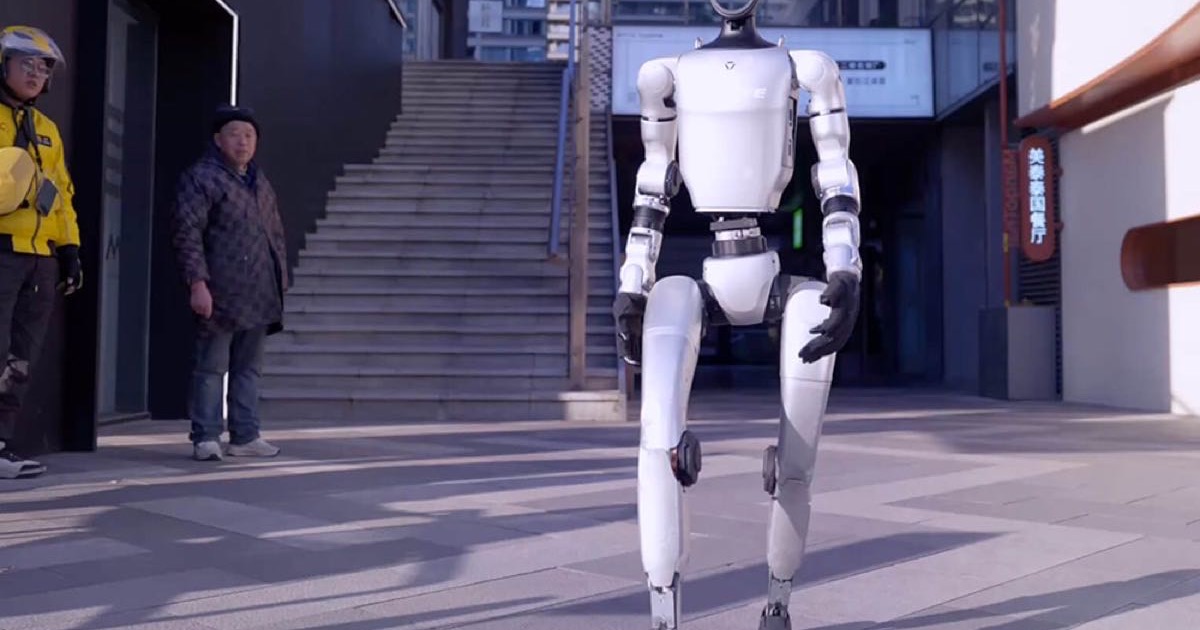
The humanoid robot gold rush just met its first referee. Reuters, citing reporting from The Information, says China’s securities regulator has told investment banks to tighten the standards it applies to humanoid robotics startups looking to go public — a move that landed three weeks after Unitree’s chaotic, spectacular listing in Shanghai.
According to the report, the China Securities Regulatory Commission issued informal “window guidance” to banks working on humanoid IPOs. Under the tightened standards, companies seeking a listing would need to show recurring revenue, demonstrate that losses are narrowing — or prove they have genuine innovation. None of this has been formally announced; window guidance is exactly what it sounds like, a quiet word rather than a published rule. The CSRC has not publicly confirmed the instructions, and Reuters framed the story around The Information’s reporting.
The timing tells you what set it off.
The slide
Unitree’s August 19 debut on the STAR Market was the kind of opening that makes regulators reach for the phone: the stock opened 460 per cent above its 150.80 yuan IPO price, briefly valuing the Hangzhou company at around 445 billion yuan — roughly $66 billion US — and the raise pulled in about 6.1 billion yuan, near $900 million.
Since then, gravity. The Robot Report’s tracking has the stock closing Wednesday at 513.93 yuan — about 39 per cent below its first-day close of 845 yuan and 53 per cent below the first-day high of 1,100 yuan. The Information’s own framing put the decline at roughly 45 per cent from the debut. When we covered the IPO before listing, the prospectus already showed aggressive pricing: roughly 20 times expected sales, 80 times forecast earnings. Even aggressive pricing did not predict the opening pop.
“The subsequent decline doesn’t necessarily mean investors have lost faith in Unitree,” The Robot Report argued. “It suggests that the market may be pulling back from the crazy initial valuation.”
That reading matches the numbers. A 39 per cent retreat from a first-day close is a correction of froth, not a collapse — the stock still sits at more than three times its issue price.
The awkward part: the crackdown’s trigger is the healthy one
Here is the irony worth sitting with. Unitree is not the sector’s problem child. Its 2025 revenue hit 1.70 billion yuan ($252 million), up from 392.77 million yuan in 2024, and it has been profitable on an attributable basis — numbers that make it an outlier among humanoid makers, most of which have no meaningful revenue at all. When Agility Robotics opened its books last week, the S-4 showed $1.8 million of revenue against a $140 million operating loss.
China’s regulator is responding to what the listing did, not what the company is. A 460 per cent opening pop signals to every humanoid startup in Hangzhou and Shenzhen that the market will pay almost anything for exposure to the theme — and signals to every speculator that humanoid paper is a lottery ticket. Window guidance is Beijing’s standard tool for stepping on that hose before more companies run through it. Two more Chinese humanoid makers have IPOs in the pipeline, so the guidance has obvious, immediate targets.
There is a second reading, less flattering to the sector: if even Unitree — the one humanoid maker with real sales — can shed 45 per cent of its value in three weeks, the sector’s public-market case rests on story rather than substance, and someone needed to say so before weaker companies tested it.
A gate the West doesn’t have
The comparison with the US is hard to miss. American investors can currently buy humanoid exposure through a SPAC filing like Agility’s, where disclosure is the only gate — the SEC checks the paperwork, not the business model. China is running a different system: the state decides which companies get access to public capital, and this week it decided the humanoid theme needs an adult in the room. Whether that protects retail investors or simply slows the sector’s fundraising is the open question; window guidance can lift as quietly as it landed.
For the first pure-play humanoid listing, the moment is double-edged. Unitree proved the market appetite exists — 6.1 billion yuan of it — and in doing so prompted the tightening that will make the next listing harder for everyone behind it. The companies queued up behind Unitree, and the investors who backed them on the promise of a humanoid investment wave, now have to clear a bar that did not exist a month ago: recurring revenue, narrowing losses, real innovation.
For an industry still sustained largely by demo videos, that is a genuinely high bar. Arguably it should be.