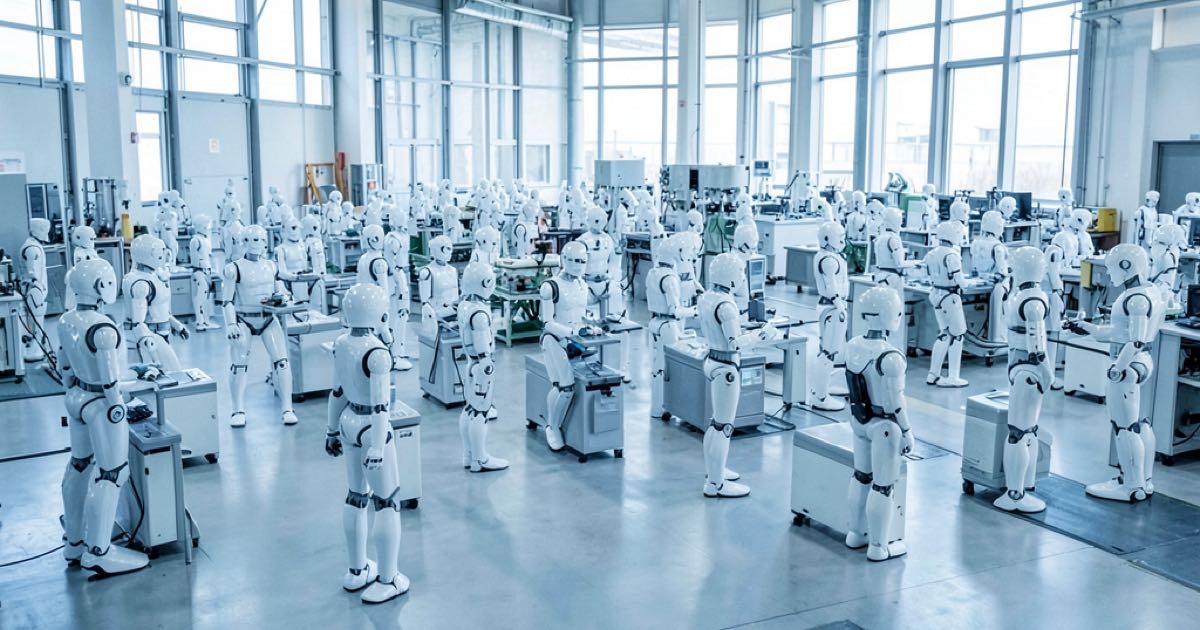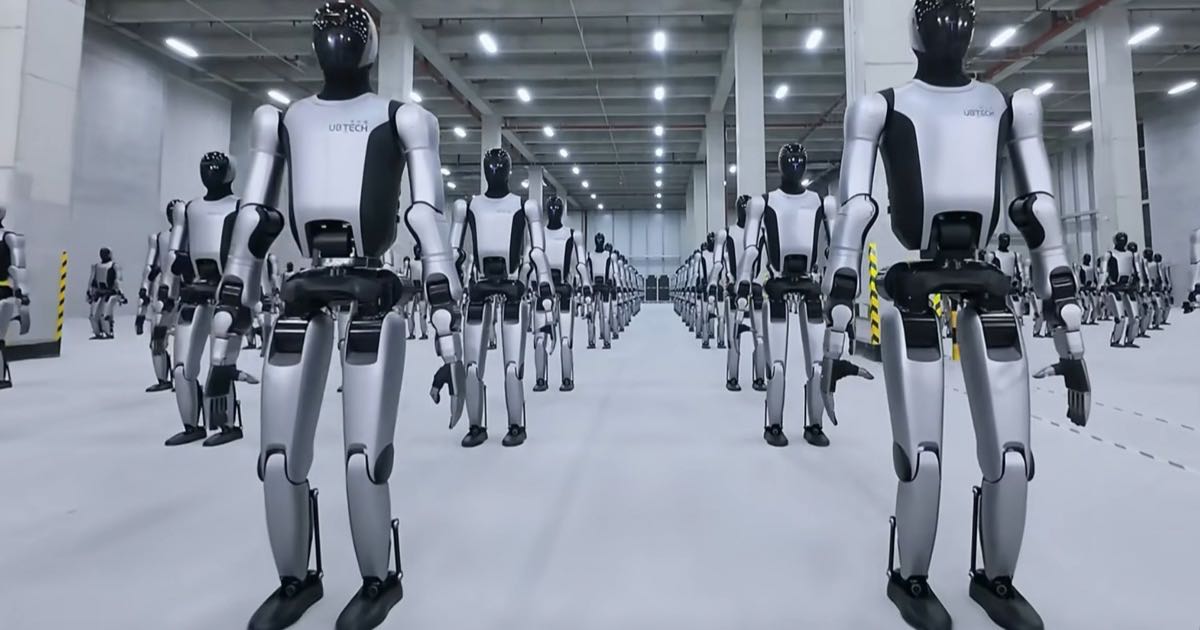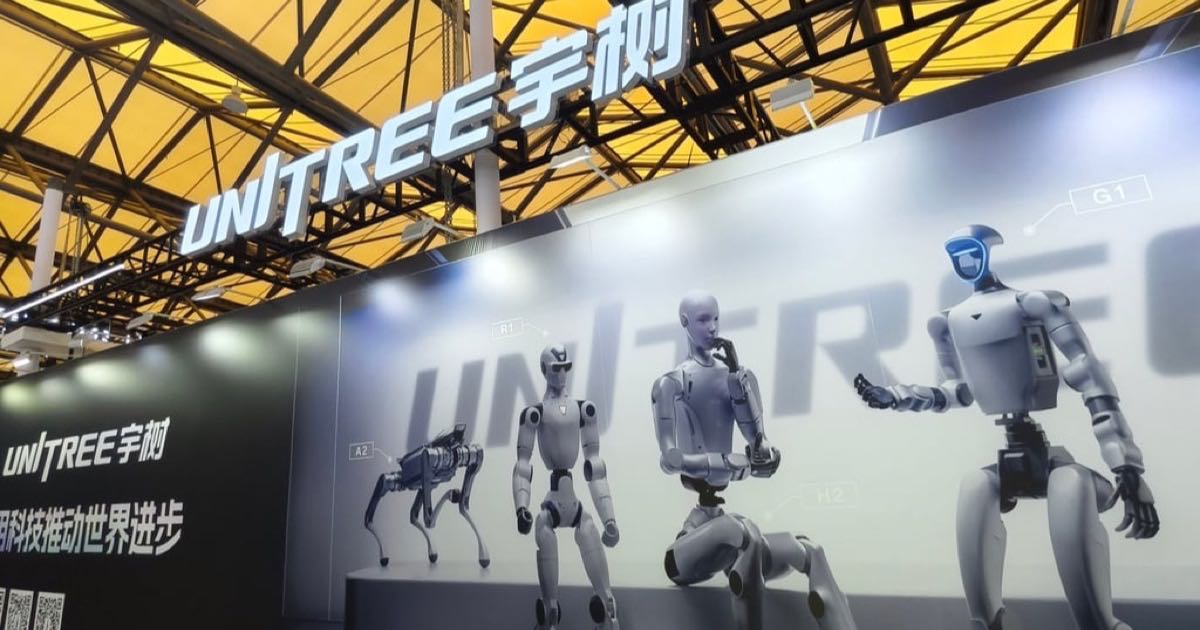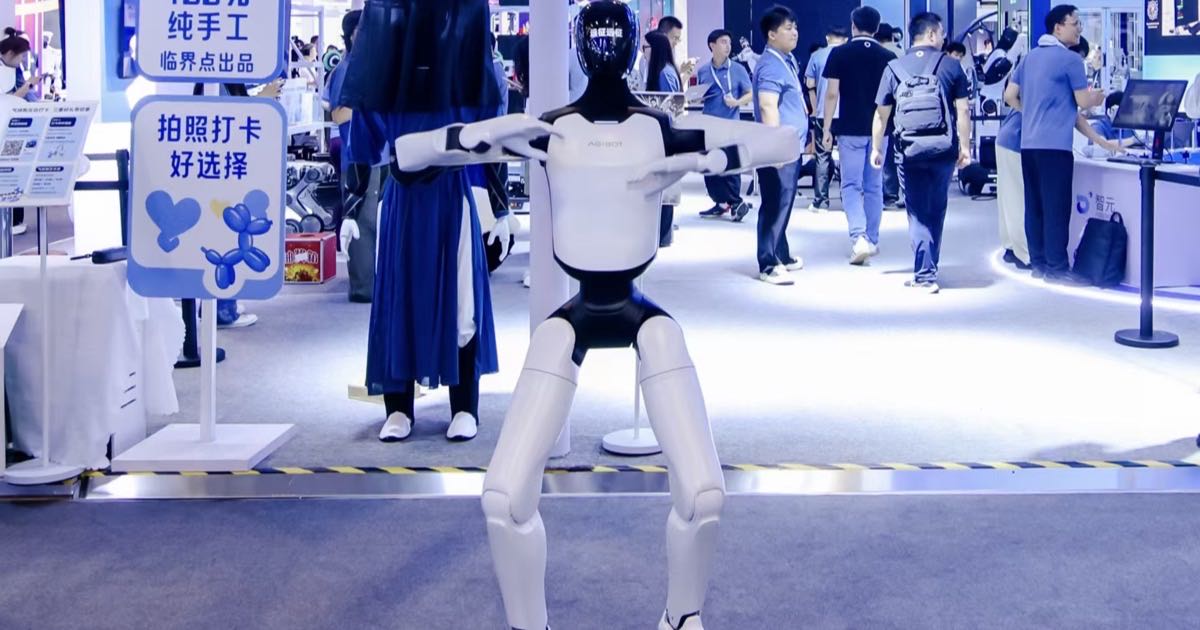
Global humanoid robot shipments grew 272 per cent year-over-year in the first half of 2026, with Chinese manufacturers producing 97 per cent of all units shipped worldwide. Agibot, a Shanghai-based robotics company, captured the largest share of global humanoid robot shipments, overtaking Unitree as the market leader.
🔍 THE BOTTOM LINE
The numbers confirm what the trade coverage has been pointing toward for months: China isn’t just leading the humanoid robot race — it’s running it almost alone. A 272 per cent growth rate on top of 97 per cent manufacturing concentration means the supply chain for the next major computing platform is being built in one country. The policy implications write themselves.
The Numbers
Machine Dawn ranked the shipment surge as the top robotics story of August 11, scoring it as a “Breakthrough” signal at 59 points. The data covers the first half of 2026.
A separate Machine Dawn signal confirmed Agibot’s market position. The Shanghai-based company, founded in 2023, overtook Unitree Robotics as the world’s largest humanoid robot shipper. Unitree had recently completed an IPO oversubscribed 5,500 times — a signal of investor appetite that now sits behind Agibot’s volume.
A third data point from Machine Dawn puts the manufacturing concentration at 97 per cent — a figure that has prompted US competitiveness concerns and builds on the FCC’s move to restrict Chinese humanoid robots on national security grounds.
Why China Pulled Ahead
Three factors explain the gap. First, Chinese manufacturers benefit from a domestic supply chain that integrates battery production, motor manufacturing, and precision machining — the three critical inputs for humanoid hardware — within a single industrial cluster. Second, Chinese robot companies have access to manufacturing facilities already producing at scale for other industries, allowing rapid repurposing. Third, government subsidies and local government investment have lowered the barrier to production-scale runs.
Agibot’s rise specifically reflects a different strategy from Unitree’s. While Unitree built its brand on consumer-facing humanoid robots sold through platforms like AliExpress, Agibot has focused on industrial and commercial deployment from the start — the segment where volume shipments actually matter.
What 272 Per Cent Growth Actually Means
A 272 per cent year-over-year increase sounds dramatic, and it is — but the base matters. The humanoid robot market in 2024 shipped in the low thousands globally. Even tripling that still puts total shipments in the tens of thousands, not the millions that companies like Tesla Optimus are targeting.
What the growth rate signals is the transition from prototype to early production. The companies shipping units in volume are no longer demonstrating — they’re fulfilling orders. The 97 per cent Chinese manufacturing share means those orders are overwhelmingly being filled by Chinese factories.
The US Response — Too Late?
The US has no equivalent manufacturing base for humanoid robots. Tesla is producing Optimus at its Fremont facility, but at roughly 1,000 units — a fraction of Chinese output. Agility Robotics is preparing its Digit V5 for December customer deployments, and Figure AI continues development, but neither is shipping at the scale Chinese manufacturers have reached.
The policy response is fragmented. The FCC has restricted Chinese humanoid robots on national security grounds. San Mateo County is moving to require permits for commercial humanoid deployment. But none of this addresses the core issue: the US doesn’t make enough robots to matter in the shipment numbers.
As Machine Dawn notes, the disparity “highlights China’s dominance in physical AI hardware production and raises questions about supply chain resilience and labor market implications.”
NZ Angle
New Zealand imports essentially all of its technology hardware. A 97 per cent Chinese manufacturing share for humanoid robots means that when NZ businesses eventually deploy humanoids — in warehouses, aged care, or retail — those robots will almost certainly come from Chinese factories. The supply chain question for NZ isn’t whether to build domestic robot manufacturing (that ship sailed long ago for most electronics), but whether to follow the US in restricting certain Chinese robotics platforms, or to accept the dependency. With no domestic humanoid robot industry to protect, NZ’s calculus is different from Washington’s — but the national security dimension of relying on a single country for physical AI hardware applies regardless of size.
❓ FAQ
What does 272 per cent growth mean in absolute numbers? The growth rate is year-over-year for the first half of 2026. While the percentage is large, the absolute base was small — the humanoid robot market is in early production, not mass deployment. Exact unit counts weren’t disclosed in the source data.
Who is Agibot? Agibot is a Shanghai-based humanoid robot company founded in 2023. It has overtaken Unitree as the world’s largest humanoid robot shipper by focusing on industrial and commercial deployments rather than consumer robots.
Does 97 per cent Chinese manufacturing mean 97 per cent Chinese deployment? No. Manufacturing location and deployment location are different. Chinese-made robots are being deployed globally, including in US factories and warehouses. The 97 per cent figure refers to where robots are produced, not where they operate.
Could US restrictions close the gap? The FCC’s restrictions on Chinese humanoid robots affect certain companies on national security grounds, but they don’t create a domestic manufacturing base. Without significant industrial policy investment, the production gap is likely to widen, not narrow.
🔍 THE BOTTOM LINE
The humanoid robot shipment data tells two stories at once: the market is real and growing fast, and China is building it almost single-handedly. The 272 per cent growth rate will get the headlines, but the 97 per cent figure is the one that matters for policy. The US can regulate Chinese robots, restrict them, or try to out-innovate them — but it can’t manufacture them at scale, and that’s the gap that determines who controls the next computing platform.