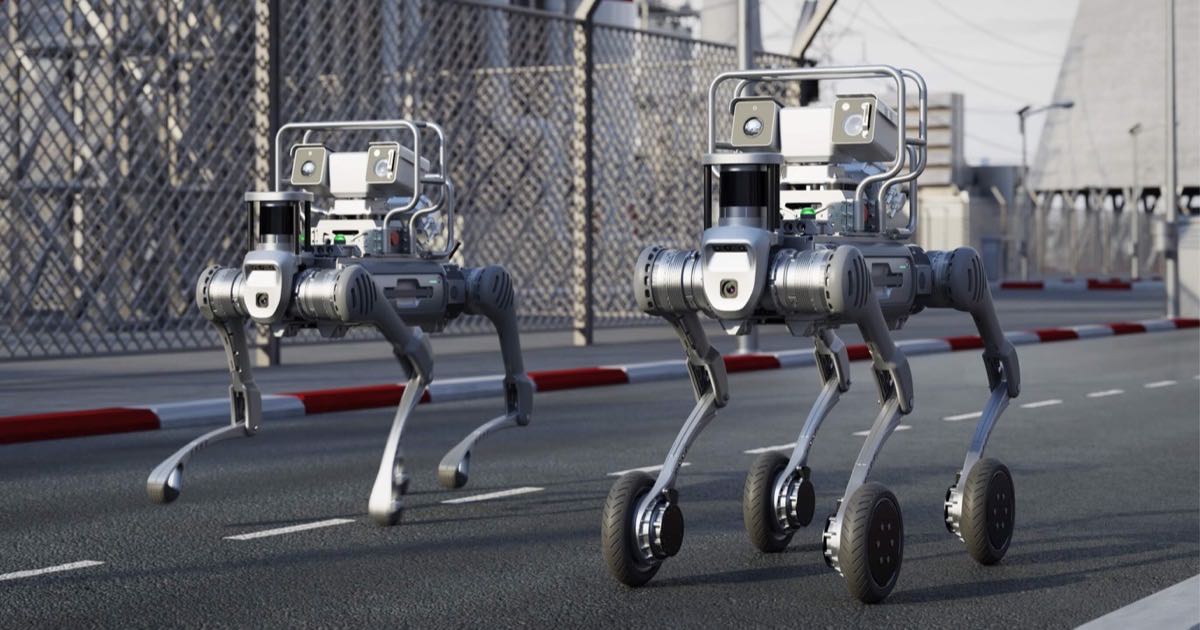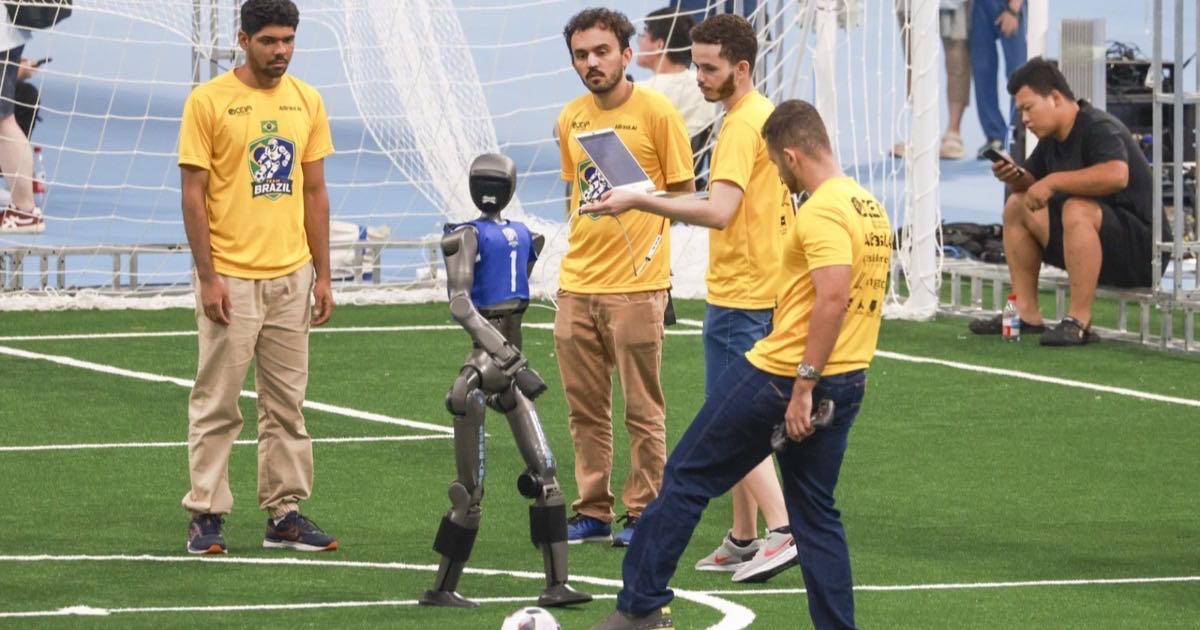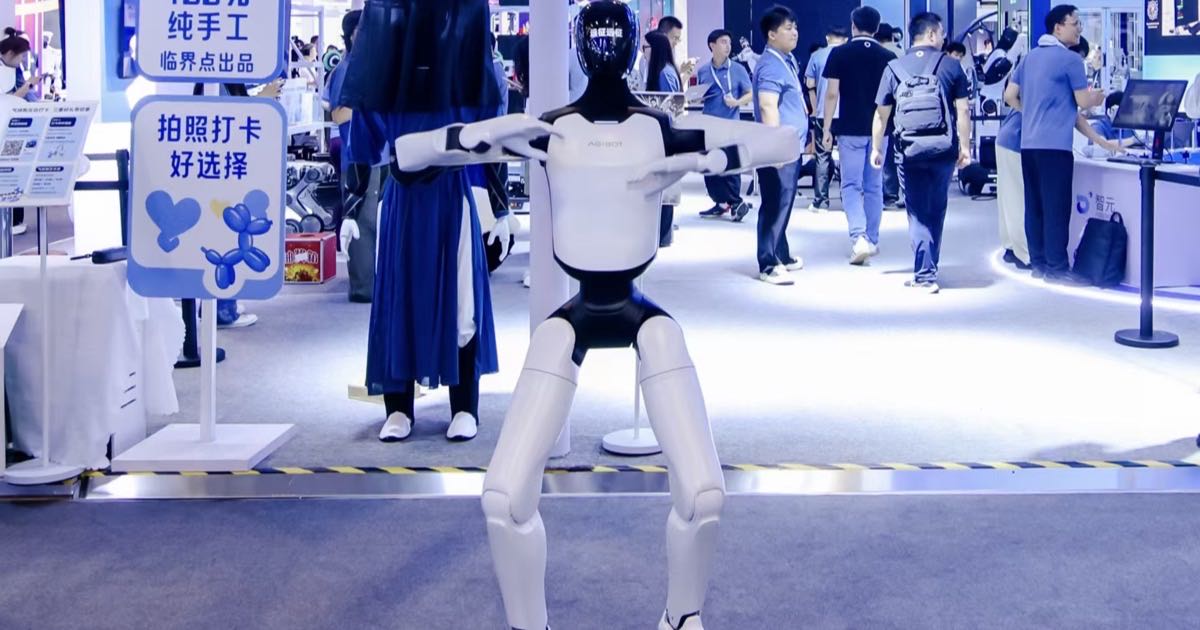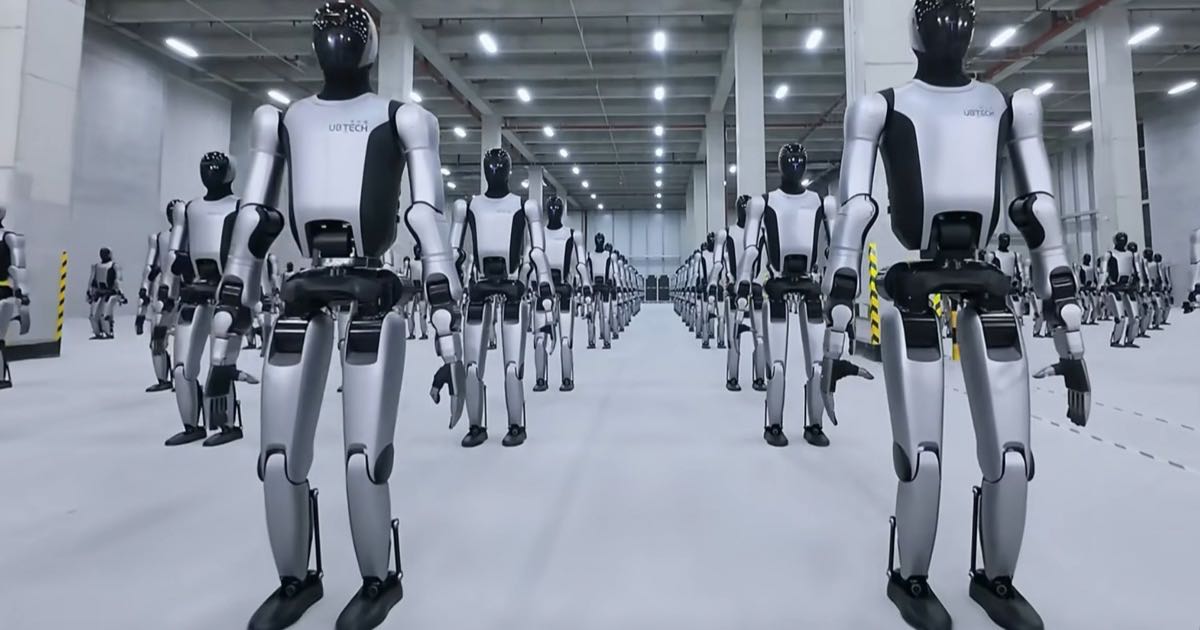
On August 22, Beijing will host what is quietly becoming the most important robotics benchmark event in the world. The second World Humanoid Robot Games will bring together 2,056 humanoid robots from 666 teams across 16 countries — quadruple the participation from last year’s inaugural event.
🔍 THE BOTTOM LINE: The numbers tell the story. Last year: 280 teams, 500 robots, 26 events, 487 matches over three days. This year: 666 teams, 2,056 robots, 51 events, 1,301 matches over five days. The growth rate mirrors what is happening in the broader humanoid market — global shipments surged 272 per cent in the first half of 2026 alone.
What’s Different This Year
The event, co-hosted by the Beijing Municipal Government and China Media Group, runs August 22-26. The expansion is not just in scale — the event has added new competition categories that test different capabilities.
New events for 2026 include long jump, weightlifting, tug-of-war, and table tennis, alongside returning events like running and football. But the more interesting additions are the scenario-based events, which move beyond sport into practical tasks: assembly, housekeeping, emergency response, and book sorting in settings designed to resemble factories, hotels, homes, and logistics facilities.
There are 30 competitive events and 21 scenario-based events this year, compared with 26 events total in 2025. The scenario events are where the industrial relevance lives — they test whether these robots can do something beyond entertainment.
Who Is Competing
The international field includes teams from the United States, Germany, Japan, and Brazil — Brazil’s five-member squad are Robot World Cup champions. But the numbers are overwhelmingly Chinese: 641 of the 666 registered teams, 157 companies, 200 universities and research institutes, 1,975 of the 2,056 robots. Teams from 27 Chinese universities are competing, representing 30 provinces and regions, according to China Daily’s reporting.
That imbalance reflects the current state of the industry. Chinese manufacturers accounted for more than 97 per cent of global humanoid robot shipments in the first half of 2026, according to Smart Analytics Global. AgiBot and Unitree together control roughly 75 per cent of global shipments. Unitree, which priced its IPO at a $9 billion valuation this month, is expected to have a significant presence at the games.
Why a Robot Olympics Matters
It is easy to dismiss the games as spectacle — and the viral videos of robots doing kung fu kicks and backflips certainly feed that perception. But there is a serious purpose underneath. The events are designed to test how well humanoid robots can move, maintain balance, and manipulate objects — the fundamental capabilities that determine whether a robot can work in a factory, a warehouse, or a home.
Organizers said some competition rules could eventually contribute to technical standards for industrial use. That is the real payoff: if the games produce repeatable benchmarks for robot performance, they become a testing ground for the industry, not just a showcase.
The scenario events — assembly, housekeeping, emergency response — are the ones to watch. A robot that can sort books in a simulated library is a robot that can pick items in a warehouse. A robot that can handle an emergency response scenario is a robot that can work alongside humans in unpredictable environments. These are the tasks that companies like Figure are already deploying at BMW Spartanburg, and they are where the commercial money is heading.
The Geopolitical Backdrop
The games also serve as a showcase for an industry China now dominates commercially — at a moment when that dominance is under direct challenge. The US FCC banned new foreign-made humanoid and quadruped robots in July, a move seen as targeting Chinese technology. Unitree, the most internationally visible Chinese robot maker, derives 13 per cent of its revenue from the US market, according to Smart Analytics Global.
Chinese government officials have said the country’s humanoid robot output is expected to exceed 100,000 units this year. The games are part of the political and industrial architecture behind that number — a public demonstration that China’s robotics push is producing machines that can perform, not just prototypes that can pose.
What to Watch For
The games run five days, August 22-26, with competition sessions in the afternoon and evening. The competitive events will produce the viral moments — a robot face-planting during a race, a table tennis rally between two machines, a weightlifting attempt that goes wrong. But the scenario events will tell you more about where the industry actually is.
Watch for which companies’ robots perform best in the industrial scenarios. Last year, Unitree’s H1 won the 1,500-metre race. This year, the question is whether AgiBot, UBTech, or a newer entrant can demonstrate superior manipulation and task completion — the capabilities that translate into commercial deployment.
❓ FAQ
What are the World Humanoid Robot Games? An annual competition in Beijing where humanoid robots compete in athletic and scenario-based events. The first edition was held in August 2025 with 500 robots; the second edition runs August 22-26, 2026 with 2,056 robots.
When and where are the 2026 games? August 22-26 in Beijing, China. The event is co-hosted by the Beijing Municipal Government and China Media Group.
How many robots are competing? 2,056 robots from 666 teams across 16 countries. That is quadruple the robot participation from the inaugural 2025 event.
What events do the robots compete in? 30 competitive events (running, football, long jump, weightlifting, tug-of-war, table tennis) and 21 scenario-based events (assembly, housekeeping, emergency response, book sorting) simulating real-world environments.
Why do the games matter beyond spectacle? The scenario events test industrial capabilities — manipulation, task completion, environmental awareness — that directly relate to commercial deployment. Organizers say some competition rules may contribute to technical standards for industrial robot use.