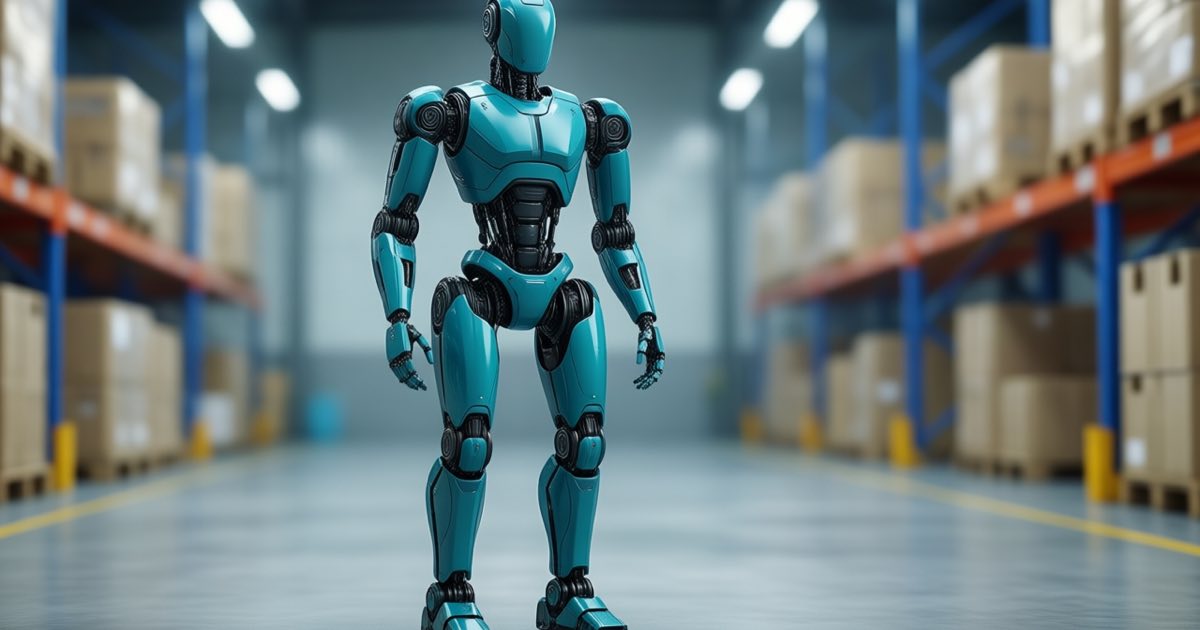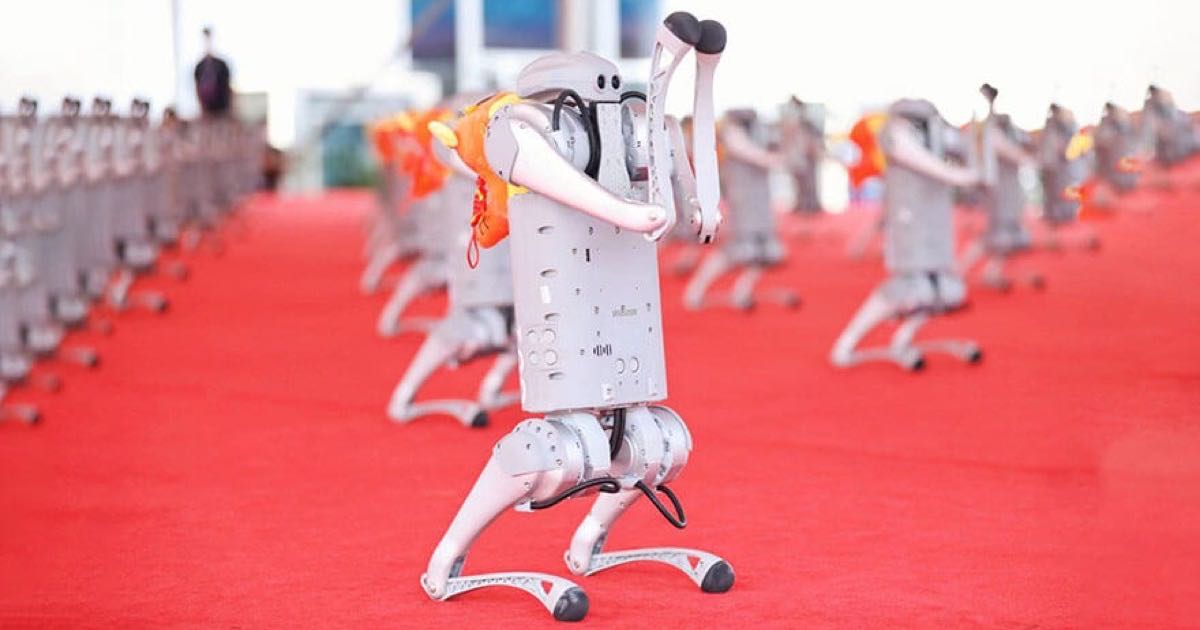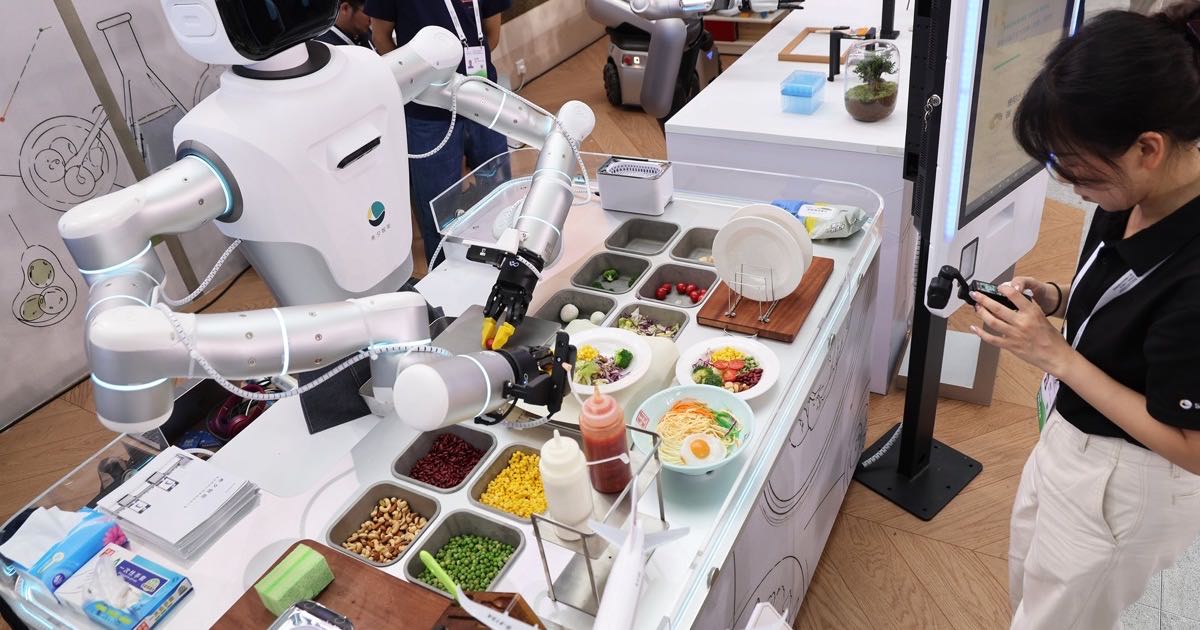
San Mateo County’s Board of Supervisors voted on August 12 to adopt a resolution directing county staff to draft what could become the first US ordinance requiring businesses to obtain permits before deploying humanoid robots in commercial settings. Supervisor Ray Mueller authored the resolution, which covers humanoid robots in hospitality, logistics, customer service, and emergency services.
🔍 THE BOTTOM LINE
This is the first concrete regulatory response to humanoid robots entering the US workforce. The resolution doesn’t ban anything — it builds a permitting framework so the county can track deployments, assess safety risks, and respond to lithium-ion battery fires that firefighters say burn hotter and release more toxins than typical fires. The real signal: a county in the heart of Silicon Valley is saying the market alone won’t sort this out.
What the Resolution Actually Does
The resolution, adopted at the August 12 Board of Supervisors meeting, directs county legal and administrative staff to draft a formal ordinance. It does not create a law yet — it starts the process.
The ordinance would require businesses to pay for permits before operating humanoid robots in commercial settings. Revenue from the permits would fund county fire response capabilities, particularly for lithium-ion battery fires that are becoming more common as electric devices proliferate.
California regulates autonomous vehicles at the state level, but no comprehensive regulatory framework exists for humanoid robots in commercial use. The resolution states that establishing one in advance will allow San Mateo to “encourage the responsible integration of emerging technologies.”
Robots Already Working in California
This isn’t speculative. According to KQED’s reporting, robots are already part of California’s workforce. Disembodied arms prepare coffee at San Francisco International Airport. Waymo’s driverless vehicles chauffeur passengers. Delivery robots roll through San José.
In San Francisco, residents can hire humanoid robots from Tau Robotics to clean homes or offices for $30 an hour — though the cleaning is supervised by remote human operators. NBC Bay Area reported that the county could be the first in the nation to pass such a measure.
The Safety Case
Firefighters’ union spokesperson Rich Seguine told the board that adding humanoid robots to homes and workplaces could contribute to an increase in lithium-ion battery fires. These fires burn hotter and release more toxins than typical fires, requiring specialized equipment.
Julie Lind of the San Mateo Labor Council told KQED that pilot deployments are already happening in home cleaning, manufacturing, and warehouse work. “It raises legitimate questions about accessibility, emergency response, fire and hazardous-material risks, and who is accountable when something goes wrong,” she said.
Mueller was blunt about the data value: “Data like that is like gold to public agencies.”
The Skeptics
Ken Goldberg, a robotics professor at UC Berkeley, said the humanoid workforce is still a long way from being genuinely useful. He said engineers are at least 10 years away from creating robots that can do practical tasks — if not more.
“They’re good at walking, they’re good at backflips, but they’re very poor at motor skills,” Goldberg said. The gap exists partly because the largest dataset for humanoid robot training is roughly one year of data, while large language models were trained on 100,000 years of data, as Goldberg wrote in 2025.
Mueller acknowledged the technology is still developing but said that’s exactly why the framework matters now. “As the technology is implemented, we need to make sure that public agencies are able to properly adapt,” he said. The legislation is not intended to prohibit the technology or put guardrails on it — just to track it.
How This Connects to the Broader Picture
San Mateo’s move follows other US regulatory responses to humanoid robots. New York passed a ban on humanoid robots in schools, and the FCC has moved to restrict Chinese humanoid robots on national security grounds. The difference: San Mateo is targeting workplace deployment, not classrooms or foreign hardware.
This also sits alongside the broader question of whether the US is falling behind in humanoid robot manufacturing. Recent data shows China manufacturing 97 per cent of humanoid robots globally, a concentration that makes domestic regulation more urgent, not less — the robots coming into San Mateo’s workplaces are overwhelmingly built abroad.
NZ Angle
New Zealand has no equivalent framework. WorkSafe NZ regulates traditional industrial machinery under the Health and Safety at Work Act, but humanoid robots operating alongside human workers fall into a gap — they’re not a fixed machine, not a vehicle, and not covered by any robot-specific rule. As humanoid robots begin appearing in NZ warehouses and retail environments — and they will, following the same cost curve that made them viable in California — councils and central government will face the same questions San Mateo is asking now: who tracks deployments, who pays for the fire risk, and who is liable when something goes wrong. Getting ahead of it costs less than catching up.
❓ FAQ
Do businesses in San Mateo need a permit for humanoid robots right now? No. The Board adopted a resolution directing staff to draft an ordinance. The actual permit requirement will come when the ordinance is written, voted on, and enacted — likely months away.
What kinds of robots would be covered? The resolution references humanoid robots in hospitality, logistics, customer service, and emergency services. Traditional industrial arms and autonomous vehicles are not the target — those are already regulated separately.
Does this ban humanoid robots? No. Supervisor Mueller explicitly said the legislation is not intended to prohibit the technology. It creates a permitting system to track deployments and fund safety response.
Are other jurisdictions likely to follow? San Jose is already developing regulations for delivery robots. If San Mateo’s ordinance works as a template, other Bay Area counties and California cities could adopt similar frameworks — especially given the concentration of robot deployments in the region.
🔍 THE BOTTOM LINE
San Mateo County is doing something unglamorous but necessary: building the bureaucratic plumbing before the robots arrive in numbers. The resolution won’t make headlines the way a robot backflip does, but the permitting data it creates will be the foundation every future robotics policy decision in the US is measured against. The question isn’t whether humanoid robots need regulation — it’s whether other jurisdictions will be as early as San Mateo, or wait until something goes wrong.
📰 Sources
- KQED — San Mateo County Could Be First to Regulate Humanoid Robots
- NBC Bay Area — San Mateo County may require permit for humanoid robots
- ABC7 News — San Mateo County one of 1st places in US to pass resolution
- Hoodline — San Mateo County weighs first humanoid robot permits
- Machine Dawn — San Mateo County considers permit requirement