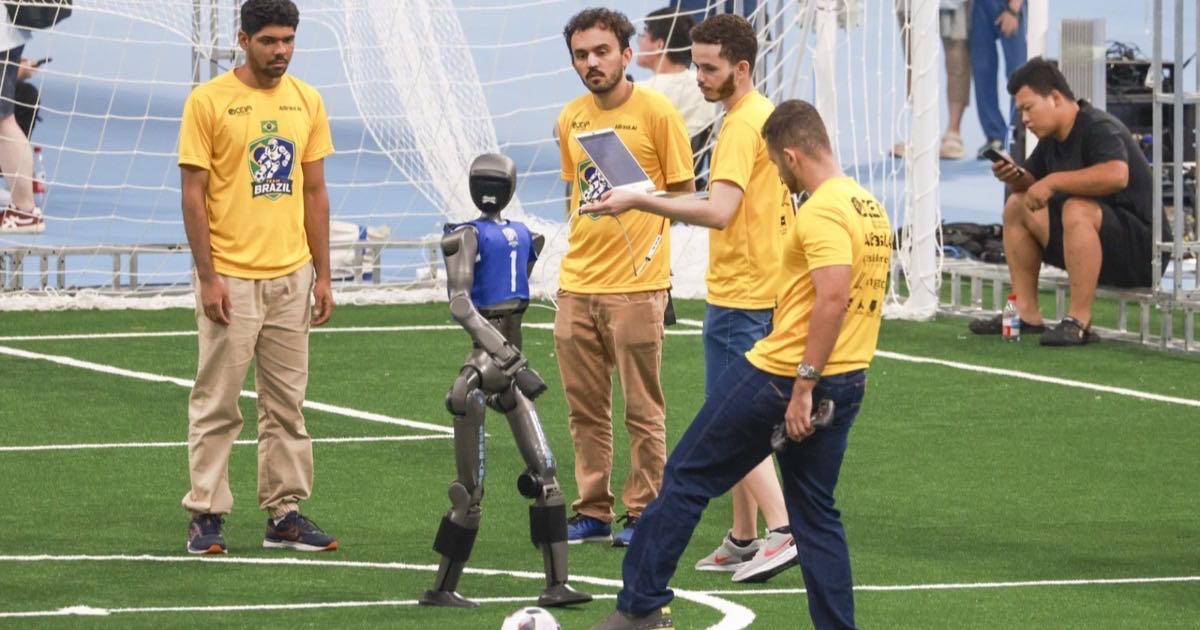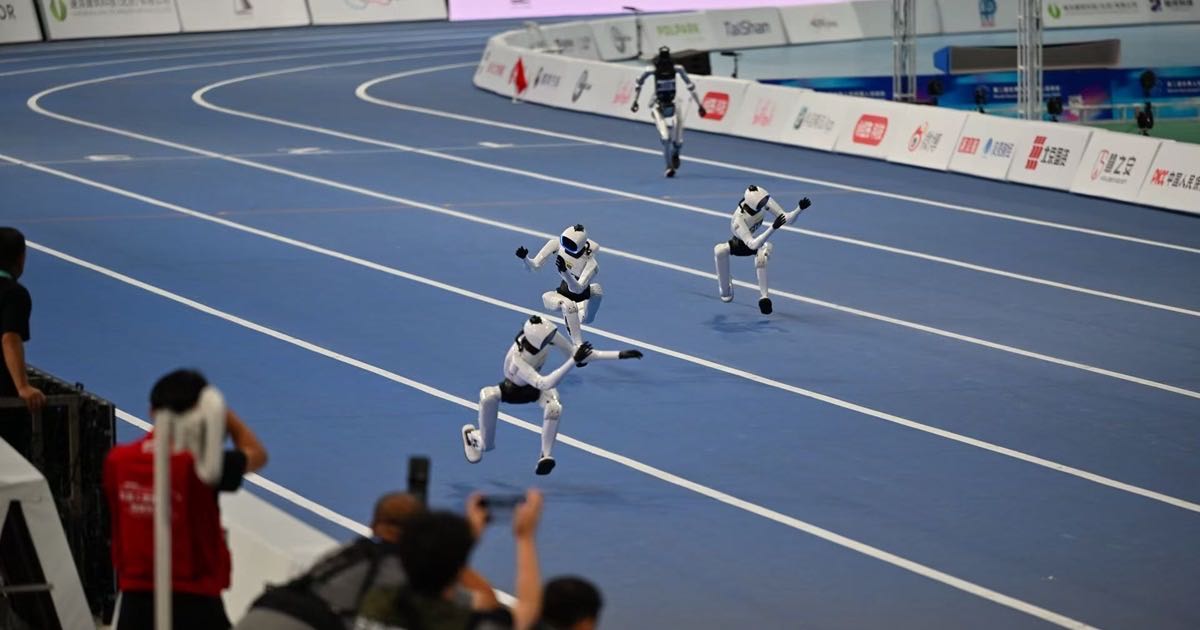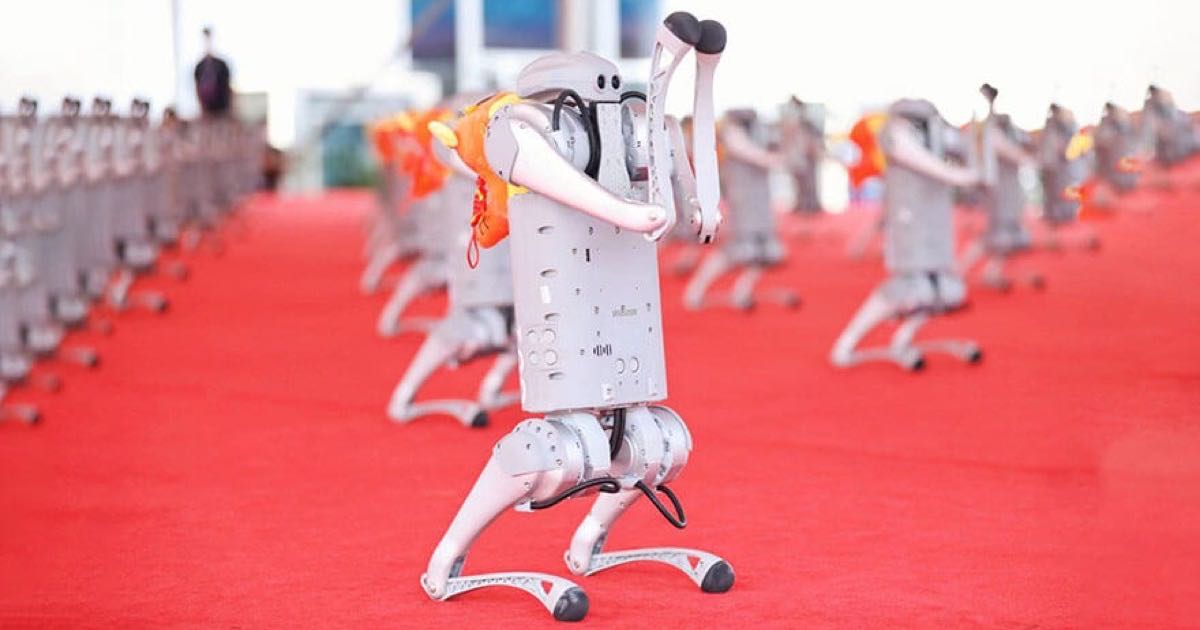
The 2026 World Robot Conference opened in Beijing on August 19, bringing together more than 300 exhibitors and over 2,000 robotic exhibits across four massive exhibition halls. It runs through August 23 at the Beiren Etrong International Exhibition and Convention Center in the Beijing Economic-Technological Development Area.
This year the conference has doubled its parallel sessions to more than 60, and for the first time each day carries a dedicated theme: Release Day, Procurement Day, Developer Day, and two Public Open Days.
The Scale
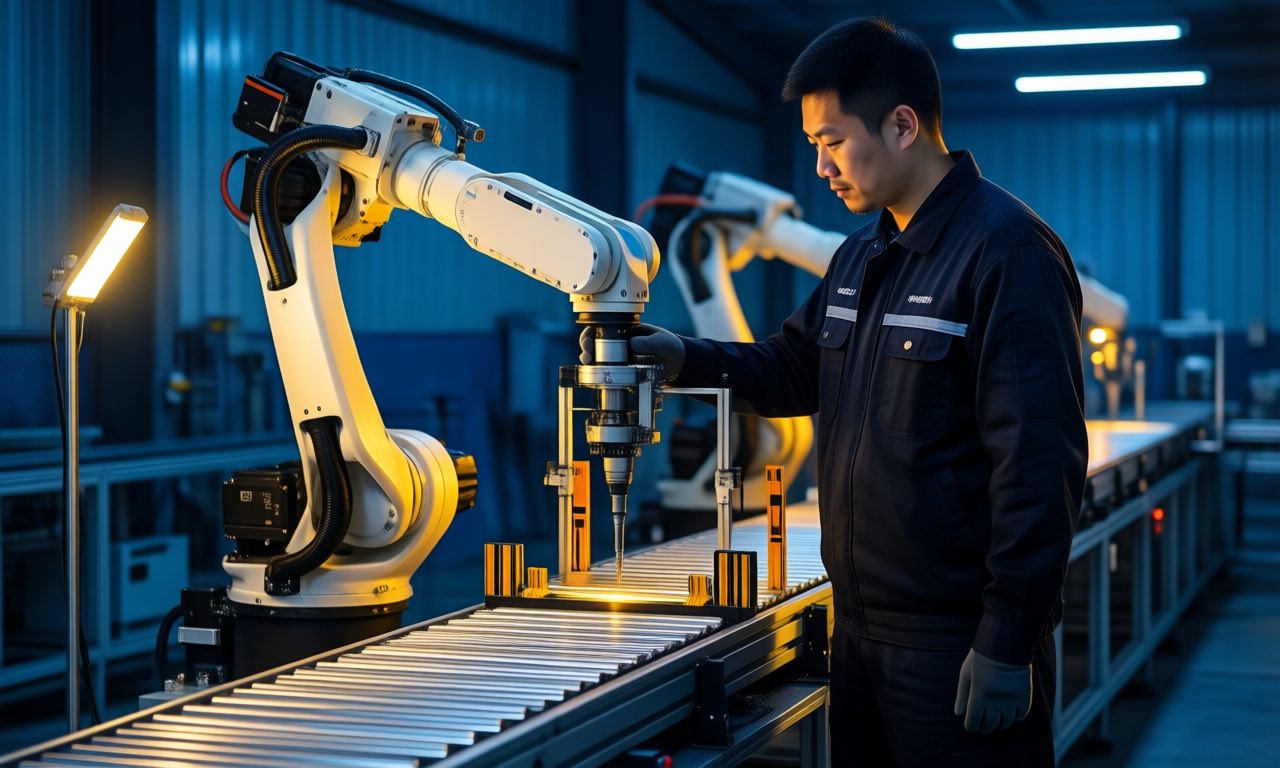
The Beijing Municipal Government reports that over 150 products will make their public debut at the expo. The exhibition is split into four zones — Smart Innovation, Smart Integration, Smart Manufacturing, and Smart Entertainment — covering applications from factory floors to eldercare to emergency rescue.
Component manufacturers fill out the supply chain side: sensors, reducers, ball screws, motors, batteries, dexterous hands, integrated joints. It is a full upstream-to-downstream picture of the robotics industry, not just the flashy humanoid demos that make headlines.
International participation has grown. Nearly 30 international organisations are backing the event, including UNIDO, the International Federation of Robotics, the World Federation of Engineering Organizations, and the IEEE Robotics and Automation Society. International guests account for 30 per cent of main forum attendees.
Brain-Controlled Robots
The World Robot Contest finals run concurrently, with over 10,000 competitors from more than 6,000 teams across 20-plus countries. The most striking category is the Brain-Computer Interface Robot Competition, where teams showcase brain-controlled humanoid and quadruped robots, brain-controlled unmanned vehicles, and sleep monitoring systems.
A new brain-computer interface competition record challenge is being launched on-site. Visitors can try brain-controlled systems themselves during public experience sessions.
The Tri-Co (Coexisting-Cooperative-Cognitive) Robot Challenge tests teams on coordination between UAV survey drones and ground-based embodied AI systems — a military-adjacent capability dressed up as a competition.
The Robot Shopping Street
For the first time, the conference features a “Robot Shopping Street” as part of the second E-Town Robot Consumer Festival. Robot chefs prepare co-branded food and beverages on the spot. WRC mascot merchandise is on sale. It is a deliberate push to normalise robots in consumer settings — not just industrial demos behind glass.
The “Global Robotics Application Exploration Program” is also launching at the conference, calling on leading robotics companies to submit mass-produced humanoid robots, quadruped robots, and dexterous hands for free trials with innovation teams worldwide. The goal is to accelerate the jump from demo to real-world deployment.
Why This Conference Matters
The timing is not accidental. China shipped more than 40,000 humanoid robots in the first half of 2026, capturing 97 per cent of global shipments, according to a development report released at the conference. That figure aligns with earlier reporting showing humanoid shipments surging 272 per cent year-over-year. Unitree, the Hangzhou-based humanoid maker, just closed its first day of trading on Shanghai’s STAR Market with a 460 per cent surge and a US$66 billion valuation — the first humanoid robot company to list on the Chinese mainland.
The conference is where the Chinese robotics industry presents itself to the world — and to its own investors. The procurement day on August 20 is specifically designed to connect supply and demand, with procurement negotiations and supply chain matchmaking sessions. This is where factory orders get placed, not just press releases distributed.
What is notable is what is missing from the agenda. The US banned new foreign-made robots in late July, and the Pentagon has placed Unitree on its “Chinese military companies” list. American robotics startups are reportedly carrying Chinese components in their luggage to work around the ban, according to The Information. The geopolitical fracture in robotics is widening, and this conference is firmly on one side of it.
🔍 The Bottom Line
The 2026 WRC is a coming-out party for China’s robotics industry at a moment when it dominates global humanoid shipments and its leading companies are going public. The brain-controlled robot competitions and robot shopping street are the headline-friendly surface. Underneath, the procurement day and supply chain matchmaking sessions are where actual business gets done.
For anyone tracking where humanoid robotics is going — which companies are shipping, which components are improving, which applications are moving from demo to deployment — Beijing this week is the place to watch.