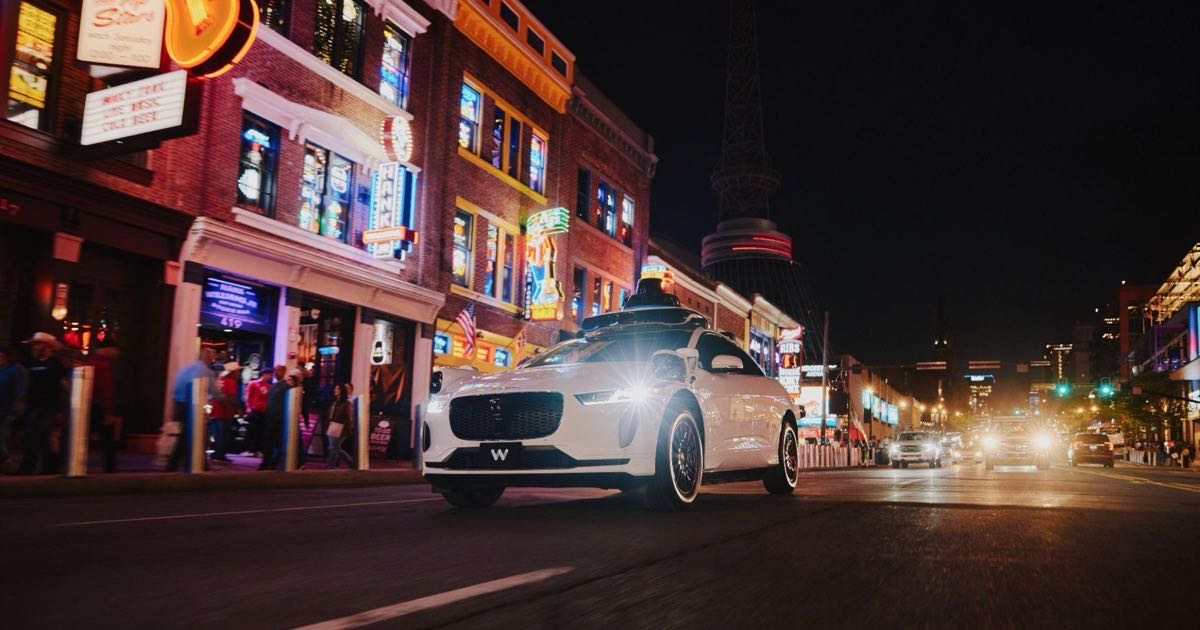
Nashville is now the first city where you can hail the same Waymo robotaxi from two competing apps. The company’s driverless Jaguar I-Paces, previously reachable only through Waymo’s own app there, are bookable through Lyft as of September 9 — and this time Lyft isn’t just a front end. Its wholly owned Flexdrive subsidiary is handling vehicle readiness, maintenance and depot operations for the fleet, which TechCrunch characterised, in an interview published Saturday, as Lyft’s first true entry into commercial robotaxi services using driverless vehicles without a human operator.
That description deserves unpacking, because it marks a real shift in what Lyft’s role in autonomy has been.
The operator pivot
Lyft’s history with self-driving technology is a story of exit and re-entry. In 2021 it sold its Level 5 autonomous division to Toyota’s Woven Planet for $550 million — a retreat that looked, at the time, like an admission that ride-hailing companies had no business competing with Alphabet on driver stacks. What remained were partnerships: Waymo in Phoenix back in 2019, Aptiv and Motional in Las Vegas, May Mobility in Atlanta. In each case Lyft supplied riders, not operations.
Nashville changes the shape of the deal. Riders match with an available Waymo through the Lyft app, while Flexdrive — the fleet-management business Lyft already runs for conventional rental and rideshare vehicles — keeps the robotaxis serviced and depot-ready. Lyft head of rideshare Sid Patil called the arrangement “a natural fit” in the company’s launch announcement; Waymo’s senior director of business development, Nicole Gavel, framed it as giving “Nashvillians even more ways to experience fully autonomous rides.”
The commercial logic is straightforward. Waymo gets a second distribution channel and an established fleet-operations partner in a new market. Lyft gets operating experience with actual driverless vehicles — the asset it surrendered in 2021 — without spending a dollar on lidar, mapping or driver software. Whether that experience compounds into anything durable depends on whether the partnership widens.
The multi-app strategy, from the other side
The interesting context here is what Waymo is doing to its ride-hailing partners, not just with them. As we covered in July, Waymo told Uber it intends to end their exclusivity arrangement in Atlanta and Austin by January 2028, launching the Waymo app in both cities alongside the Uber integration. Uber shares dropped 4% on the news. The pattern was already visible: Waymo has enough rider demand to treat every platform as optional, and it is normalising the idea of its vehicles appearing on multiple apps in the same city.
Nashville is that playbook running at full parallel — both apps live, same fleet. But there is a difference in tone between the two relationships. Uber, which aggregates AV partners while building none of its own, watched Waymo go direct in its two flagship robotaxi cities. Lyft has positioned itself as the complementary channel from day one, and its economics depend on doing the unglamorous work: depots, charging, cleaning, maintenance scheduling. In the current phase of the industry, that work is scarcer than rider demand, and Lyft is betting it can own it.
Uber, meanwhile, is assembling its own hedge — committed vehicle deals with Wayve, Waabi, Nuro and Rivian — a strategy we’ve noted before comes with its own justification pressures. And the sector’s broader economics remain brutal, as the Kalanick-backed attempt to relaunch a cut-rate robotaxi venture underlined: driverless miles are still capital-intensive regardless of who operates the depot.
What Lyft says comes next
Lyft EVP of growth Jeremy Bird told TechCrunch: “I think next year what you’ll see is more diversification of that” — referring to the company’s robotaxi partnerships beyond Waymo Nashville and its pending Baidu tie-up for London, where a commercial service has yet to launch. Read plainly, that is a company planning to collect robotaxi partnerships the way it once collected city markets.
The honest caveat: Nashville is one market with one partner, and “fleet services” is not autonomy. Flexdrive’s work — readiness, maintenance, depots — is the same logistics business Lyft already runs, pointed at a new vehicle type. But the strategic position is real. In 2021 Lyft concluded it could not build driverless technology and sold the attempt. In 2026 it has found a way to be indispensable to someone who did, and Waymo’s multi-app strategy means there will likely be more fleets needing exactly that.