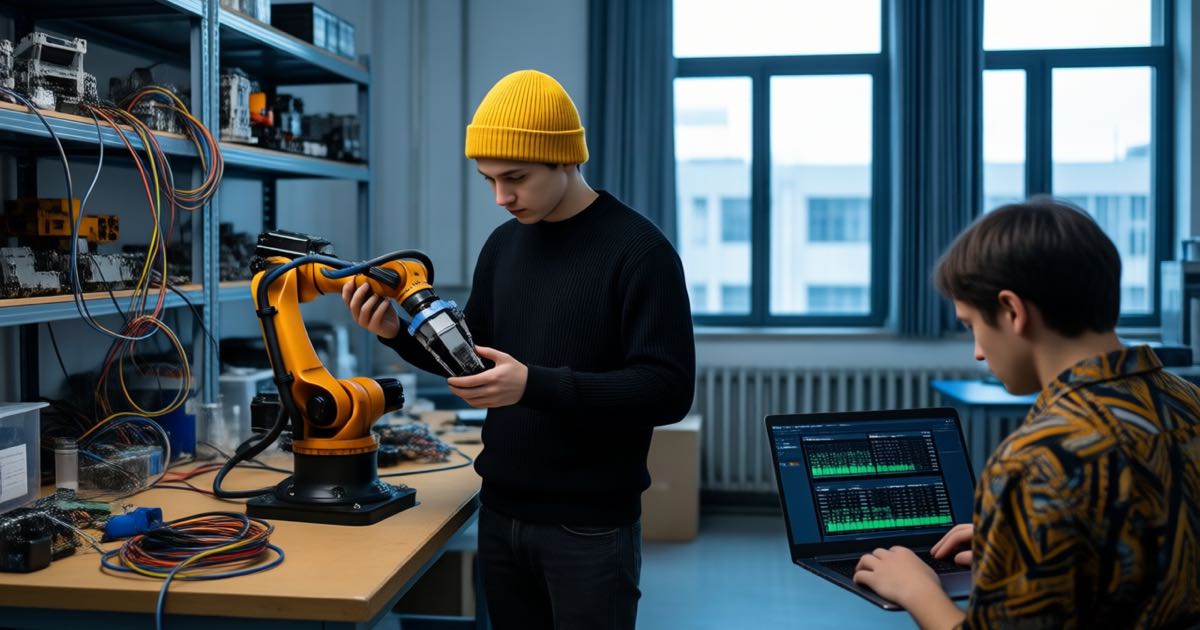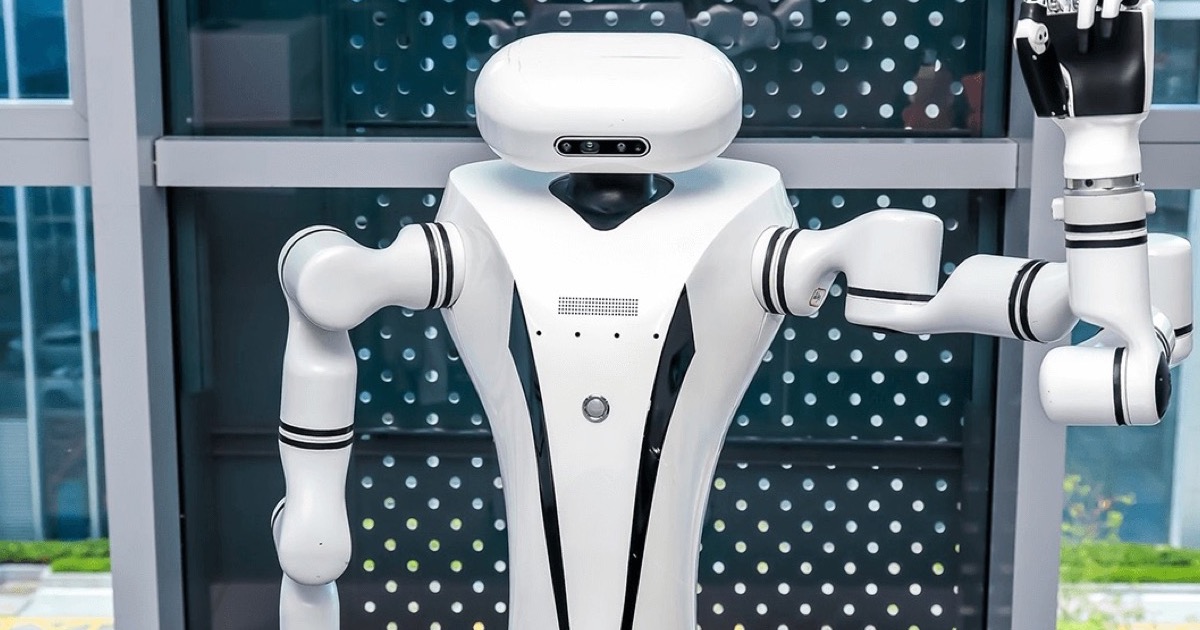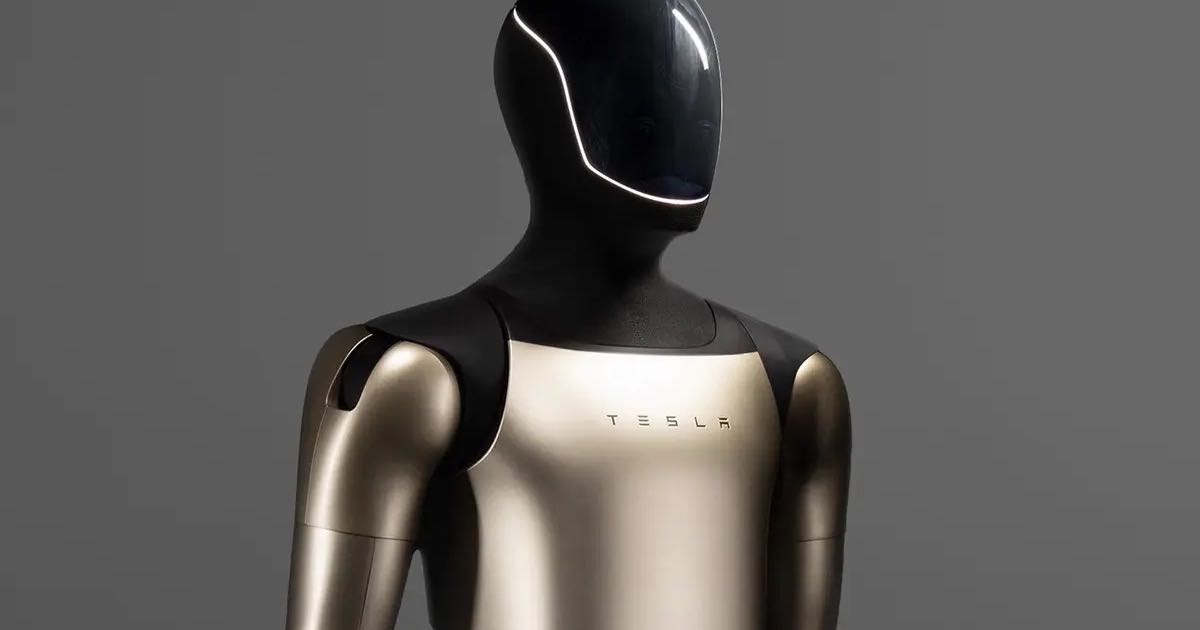
Humanoid robots have a data problem the internet cannot fix: nothing online teaches a machine how a body moves. The fix some investors have settled on is paying humans to be the dataset, and on October 7 that thesis got its clearest endorsement yet. Mecka AI announced a US$60 million Series B led by Sequoia, with Nvidia, Microsoft’s M12, Qualcomm Ventures and Samsung climbing in, according to BetaKit, which first had the round’s full backer list. TechCrunch, which had reported in September that the deal was being negotiated at a valuation near US$500 million, confirmed the close yesterday morning Pacific time. The valuation was not disclosed in the announcement.
Mecka’s pitch, per its own framing quoted across the coverage, is to be “the data and deployment layer” for physical AI. In practice: paid participants wear body sensors and carry phones through ordinary work — cooking, metal fabrication, lab tasks — and the company converts those egocentric recordings into training-ready data for frontier robotics labs and Big Tech, with much of the operation run from Toronto, where most of its staff sit. Founded in 2024, the company already claims a run-rate past US$100 million as of June, with US$300M projected by year-end. TechCrunch frames it plainly: this is the Scale AI/Mercor/Surge playbook, pointed at humanoids instead of chatbots.
A revenue figure worth some scepticism
Both BetaKit and TechCrunch attribute the run-rate to the company: Mecka’s number, not an audited one. Two-year-old startups quoting nine-figure run-rates on US$60M raised is a pattern readers of this site have seen before — XDOF’s Series B talks rest on a similar claimed-US$50M base, and that deal’s multiple only looks sane if the revenue keeps compounding. The difference is that Mecka’s figure comes with a customer list: the company says “multiple frontier robotics labs and Big Tech firms” buy its data. Nvidia’s presence cuts both ways — chipmaker demand validation and channel interest at once, likely helpful to its robotics stacks.
What it says that the round exists at all
The capital is earmarked for scaling data infrastructure, an in-house motion-capture research lab, and a commercial robot deployment layer — the last one is the interesting claim, because it means Mecka intends to follow its data downstream into operating robots, not just selling training fuel. If that works, the data company becomes a robotics operations company, which is a different (and harder) business.
For New Zealand readers the geometry is simple: the physical-AI supply chain is being financed from the same few Canadian and Sand Hill Road addresses, while NZ robotics firms and Otago’s research work sit far outside those circuits. The bottleneck Mecka monetises — humans demonstrating tasks at scale — is one a small country could actually serve, but only if someone here builds the capture rig and the customer contacts before the Sequoia-backed incumbents lock the layer up.
Humanoids Daily carried a disclosure that it received payment for a separate social post promoting Mecka’s announcement, while stating the article itself was produced independently. We read the story through BetaKit and TechCrunch.
Sources: BetaKit, TechCrunch, Humanoids Daily