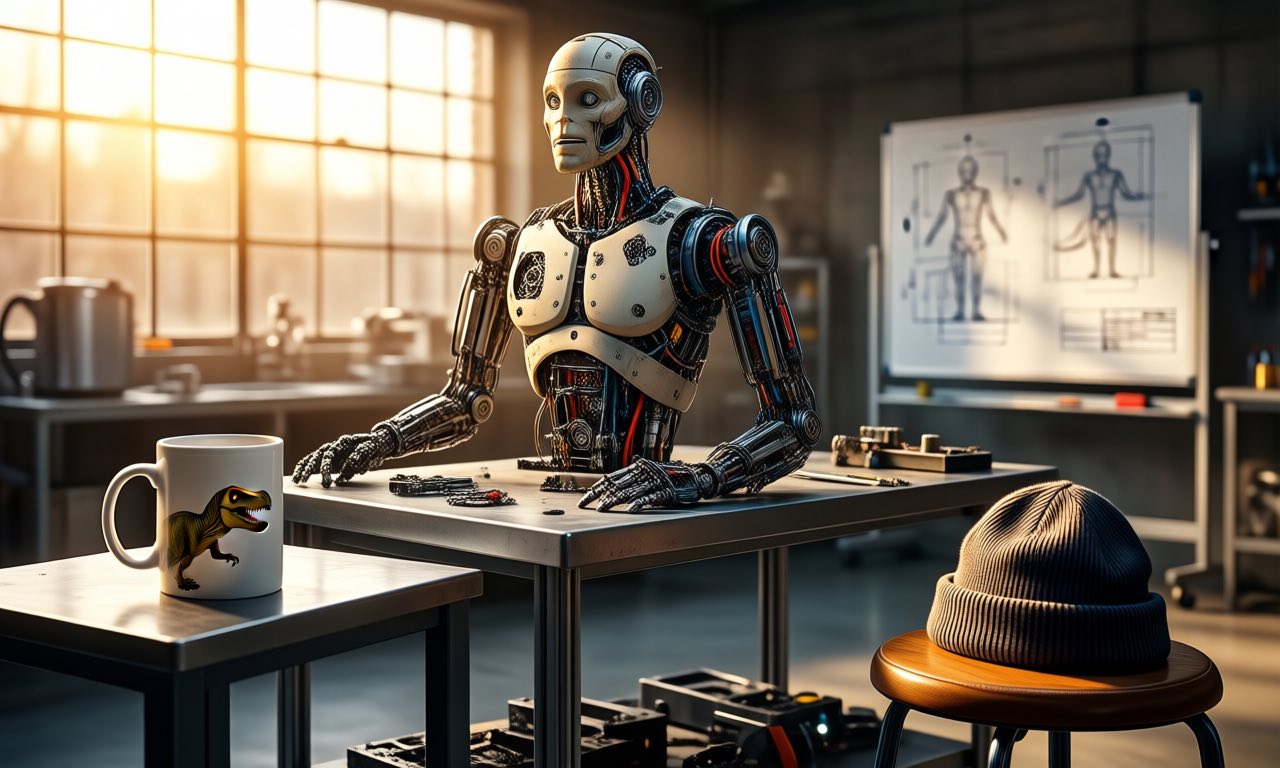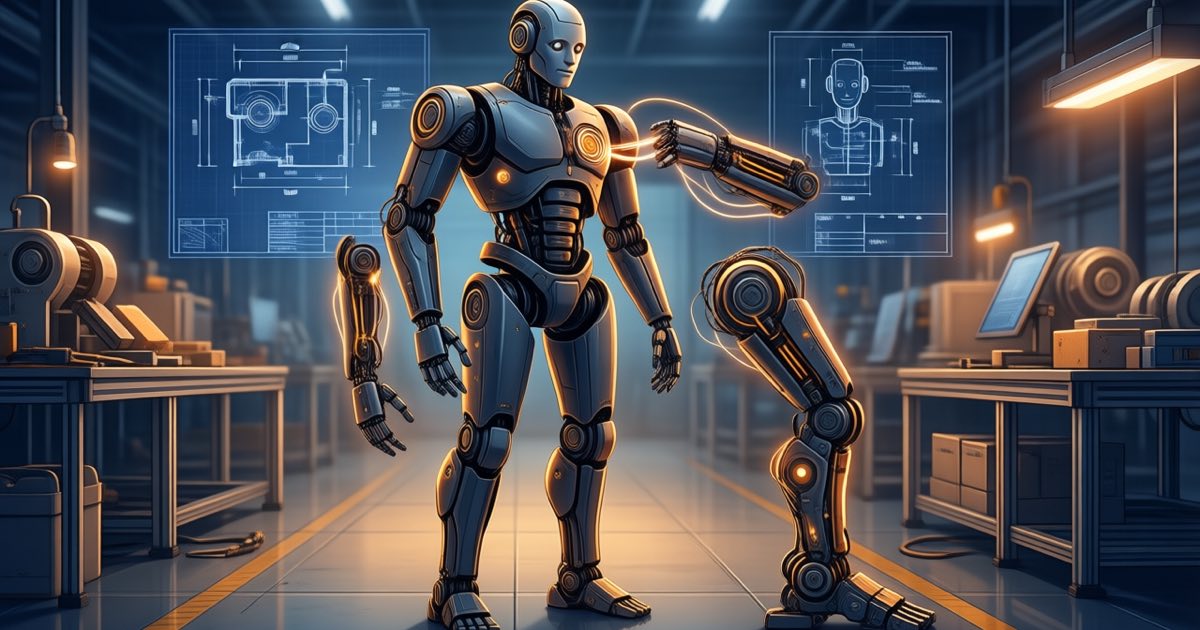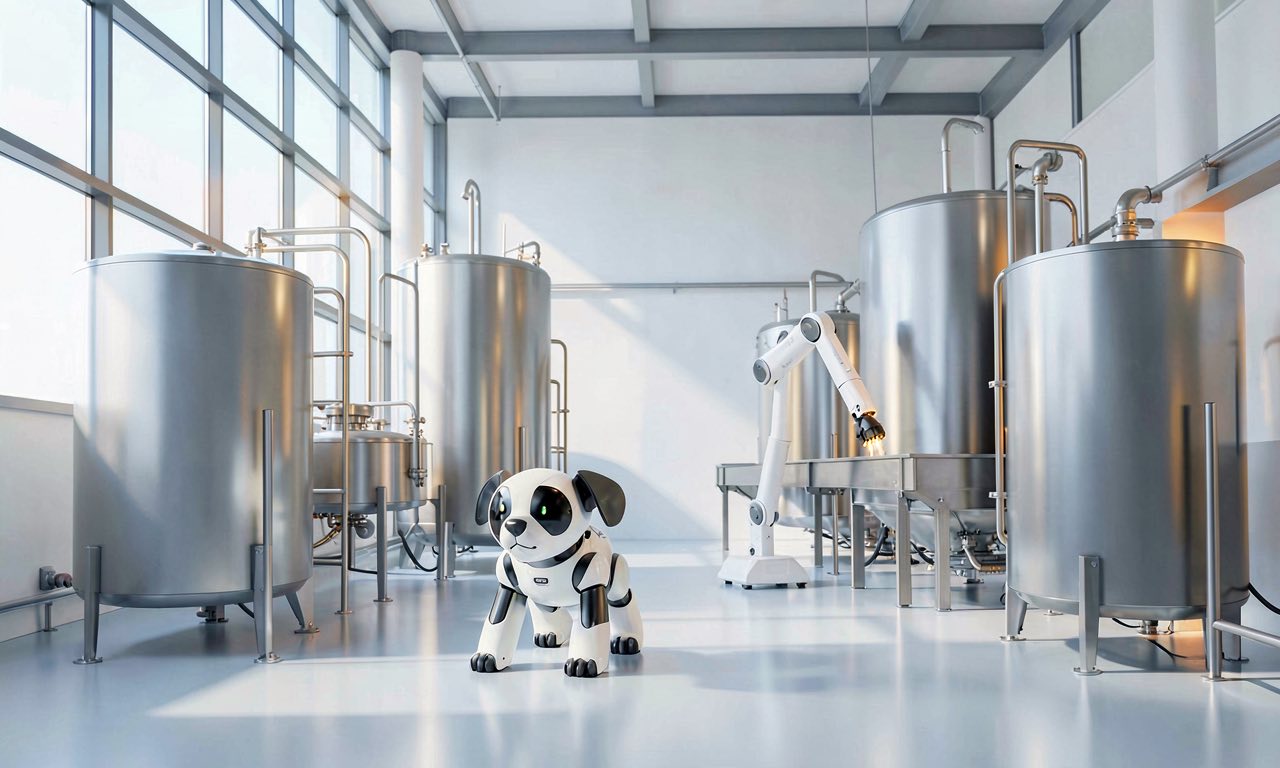
The world’s largest food company is wiring AI into the places KitKat and Nescafé come from. On November 20, a Wall Street Journal exclusive reported that Nestlé has teamed up with Microsoft and Boston Dynamics on artificial intelligence in its factories and products, centred on a new facility in Switzerland — the Deep Tech Center — where the company plans to use AI, smart sensors and robotics to improve efficiency across its operations. Both Microsoft and Boston Dynamics confirmed the partnerships, according to Investing.com, and GuruFocus framed the announcement the same day as a push to expand AI in both factory operations and consumer products.
What the partnerships actually cover
The deal has two tiers. On the factory floor, technology firms including Microsoft and Boston Dynamics will supply hardware and AI capabilities to enhance operations; the technology developed through the collaborations will be deployed across Nestlé facilities globally, Nestlé’s chief technology officer Stefan Palzer told the WSJ, as relayed by Investing.com. On the consumer side, the AI work reaches into the products themselves — coffee machines are the example cited — which puts a frontier-lab-adjacent software stack inside an appliance category most people would not expect to be running it. Nestlé’s brands at stake include KitKat, Nescafé and Purina.
The Orbe Deep Tech Center is the anchor: Nestlé will implement AI, smart sensors and robotics there to boost operational efficiency, and the center will work alongside the company’s Shenzhen hub, which hunts for Chinese technology to adapt in products sold worldwide. The two-site pattern — a Swiss applied-AI facility paired with a consumer-electronics sourcing office in southern China — reads less like a press release and more like a procurement strategy: one node finds the tech, the other proves it can survive a food plant.
Boston Dynamics is already inside Nestlé
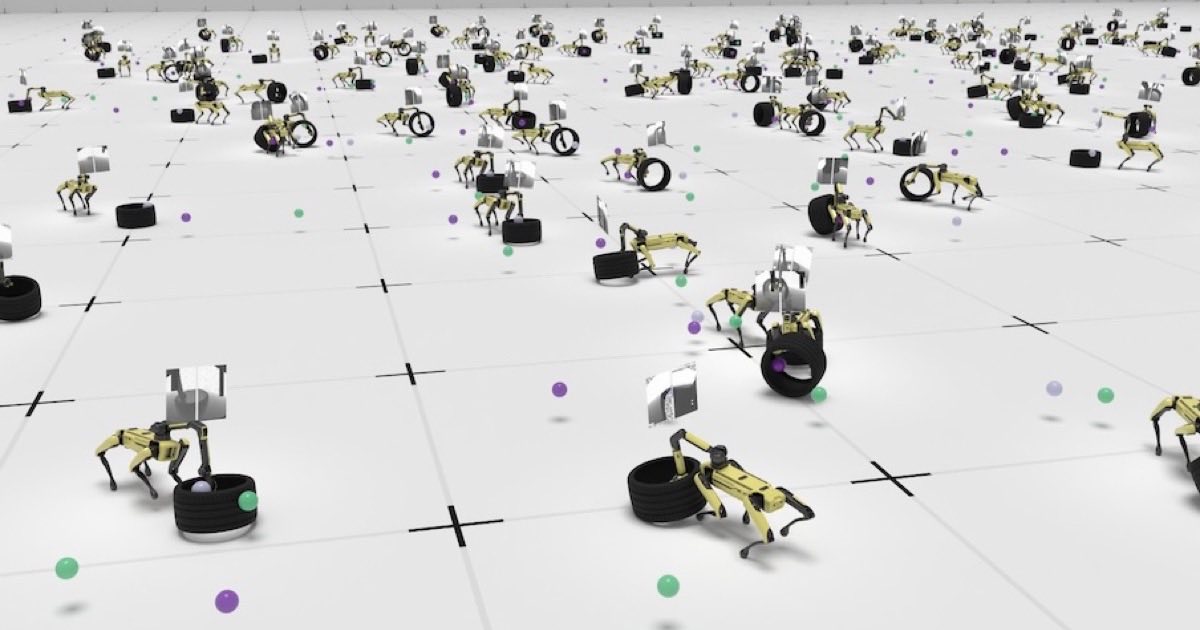
None of this lands on a blank floor. Boston Dynamics has published a case study on Nestlé Purina documenting how Purina deployed Spot to automate thermal and acoustic inspections in its packaging lines — hourly inspection routes that free maintenance technicians for predictive work, with the fleet now expanding into processing areas and additional plants. The new partnership expands that relationship from a single-brand pilot to Nestlé group scale. It also follows the trail Boston Dynamics has been cutting through manufacturing this year: Atlas humanoid’s trial run at a GlobalFoundries chip fab showed the company’s newest hardware graduating from demo videos to production environments, and factory-floor robots of every shape are being consolidated into fleets by the automation giants — a wave Rockwell’s AGILOX acquisition accelerated this week.
Nestlé is the most consequential brand yet in that pattern. Food manufacturing has lagged automotive and electronics in robot adoption — hygienic design, washdown environments and high-mix production lines all complicate the retrofit — which is why the entry tier has been inspection robots first: cameras on legs checking gauges, temperatures and leaks while production runs. The Purina case study shows exactly that entry tier in service. The new deals add the sensor-and-model layer above it, with Microsoft supplying the AI side, and then the leap most packaged-goods makers have never attempted: AI inside finished products.
The bigger line this draws
Packaged food is one of the largest industries on earth that headlines rarely touch, and it just joined the factory-AI economy at the very top. When Xiaomi showed a humanoid working an 8-hour EV factory shift, the story was hardware capability. The Nestlé story is different: it is a demand signal from a company with production spanning hundreds of food plants across dozens of markets, choosing its suppliers for the AI era the way it once chose its ERP systems. Microsoft gets a flagship industrial reference; Boston Dynamics gets the consumer-goods beachhead it has never had; Nestlé gets both under one roof in Orbe.
The honest caveat is the one inherited from every deal of this shape: “deployed globally” is a CTO sentence, and multi-year factory retrofits move at production-shutdown pace, not announcement pace. Nothing in the reporting quantifies how many sites, which models, or what replaces which human rounds — and Nestlé has not published headcount implications either way. Watch the Purina line for the tell: if Spot-class inspection expands from one brand to the group’s coffee, confectionery and pet-care plants over the next few quarters, the partnership is real; if the case study page stops updating, it was a press release.
For New Zealand, the read-through is indirect but real. Nestlé is a small direct presence here, but NZ food manufacturers sell into exactly the environment this deal targets — and the entry tier being demonstrated at Purina, sensor-equipped inspection robots on rounds, is the affordable first rung for a Tauranga or Waikato plant watching its own maintenance costs climb. The suppliers who can lease it in are already in our market.
Further reading: Atlas’s trial shift at a GlobalFoundries fab, Rockwell’s acquisition of AGILOX and the fleet-AI consolidation, and Xiaomi’s humanoid on an 8-hour EV factory shift.