OpenAI Just Made Codex the Front Door to the Entire Office
On June 2, OpenAI launched six role-specific plugins for Codex, its agentic AI platform — and the subtext is unmistakable: Codex isn’t a developer tool anymore. It’s a workplace operating system.
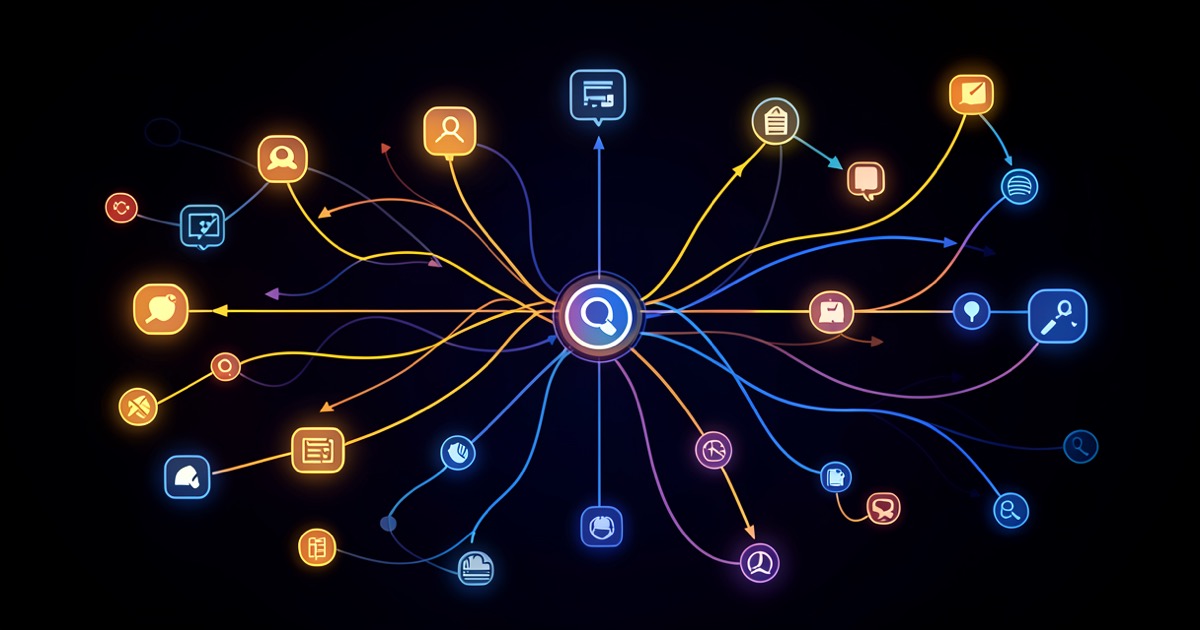
The plugins bundle 62 business applications and 110 automated skills into role-based packages for data analytics, creative production, sales, product design, public equity investing, and investment banking. Snowflake, Salesforce, Figma, Moody’s, FactSet, Databricks — the enterprise SaaS heavyweights are all there, wired in out of the box.
And here’s the number that should make every enterprise SaaS company sweat: non-developers now make up 20% of Codex’s 5 million weekly users, and they’re adopting it more than 3× faster than engineers.
What the Plugins Actually Do
Each plugin isn’t just an API connector. It packages the relevant apps, skills, and workflow instructions for a specific role:
- Data Analytics: Natural language queries against Snowflake, Databricks Genie, Hex, and Tableau. Ask a question, get a dashboard. No SQL required.
- Creative Production: Turn briefs into campaign boards, ad variations, and product shots via Figma, Canva, Shutterstock, Picsart, and Fal. Marketing teams can go from concept to assets without a designer.
- Sales: Pull customer context from Salesforce, HubSpot, Slack, Outreach, and Clay. Auto-generate follow-ups, close plans, and account risk reviews.
- Product Design: Audit live user flows, turn static wireframes into clickable prototypes, iterate in Figma and Canva.
- Public Equity Investing: Sync Moody’s, Daloopa, FactSet, LSEG, S&P, and PitchBook data. Track investment theses, compare companies, review earnings.
- Investment Banking: Prepare pitch materials, analyze comparable transactions, turn diligence into recommendations — all from trusted data sources.
More plugins are coming: Corporate Finance, Private Equity, Marketing Strategy, Strategy Consulting, and Legal.
Annotations: The End of “AI Broke My Spreadsheet”
OpenAI also shipped Annotations, a feature that solves one of the most annoying problems with AI-generated business documents. Previously, asking an AI to update a chart or fix a formula often meant the model rewrote the entire file — breaking formatting, corrupting cell dependencies, and hallucinating data.
Annotations lets you highlight a specific section of a document, and Codex isolates just that context. It updates only the targeted data, leaving everything else untouched. For financial analysts working in complex models, this is the difference between “useful tool” and “career liability.”
Sites: From Prompt to Deployed Web App in Minutes
The third major feature is Sites — a preview for Business and Enterprise tiers that turns static data into interactive, hosted web applications shareable via workspace URL. A financial analyst can turn a spreadsheet into a live scenario planner that executives can interact with, no front-end developer needed.
This is the kind of feature that kills internal tools teams. Why build a React dashboard when an AI agent can spin one up from a spreadsheet in two minutes?
Why This Matters
Three things make this launch significant beyond the usual “AI gets a new feature” cycle:
1. OpenAI is going straight after Anthropic’s enterprise momentum. Anthropic has been rapidly expanding Claude’s footprint among knowledge workers with Claude Cowork and Claude Code. OpenAI’s response isn’t incremental — it’s a coordinated assault across six verticals simultaneously.
2. The timing is surgical. This dropped on the same day Microsoft kicked off its Build 2026 conference in San Francisco, where it announced its own MAI-Code-1-Flash model. OpenAI’s biggest investor and partner is also now its most direct competitor in enterprise AI tooling.
3. The 3× adoption rate isn’t a vanity metric. If knowledge workers continue outpacing developers in Codex adoption, OpenAI’s total addressable market expands from ~30 million professional developers to ~1 billion white-collar workers. That’s the real game here.
What About NZ?
For New Zealand businesses, the implications are direct. The data analytics plugin alone — with Snowflake, Databricks, and Tableau integration — could replace significant portions of BI workflow at companies still paying for separate analytics tools. The sales plugin automates the kind of CRM busywork that eats 30% of a sales team’s day.
But the real question is data sovereignty. These plugins connect Codex to your Snowflake instance, your Salesforce org, your financial data feeds. For NZ organisations subject to the Privacy Act 2020 and increasingly cautious about cross-border data flows, the convenience comes with a governance question: who sees your data when an AI agent is querying it?
The Bottom Line
OpenAI just told us something important without saying it: the developer tools phase of AI is ending. The next phase is the office — every role, every tool, every workflow. Codex plugins aren’t a feature launch. They’re a land grab.
❓ Frequently Asked Questions
Q: What does this mean for NZ businesses? Knowledge workers in NZ can now access enterprise-grade AI workflows without custom integration. The data analytics plugin alone could transform how mid-sized companies handle reporting. But organisations need to assess data sovereignty implications under the Privacy Act 2020 before connecting local systems.
Q: How is this different from regular ChatGPT? Codex is an agentic platform — it doesn’t just chat, it takes actions across connected apps. The plugins give it domain-specific knowledge and workflow automation. Think of it as the difference between asking a question and delegating a task.
Q: Is Codex replacing enterprise SaaS tools? Not yet — the plugins integrate with SaaS tools, they don’t replace them. But the long-term trajectory is clear: if Codex becomes the interface layer, the underlying apps become commodities. The app that matters is the one you talk to, not the one you log into.
🔍 The Bottom Line
OpenAI’s Codex plugins aren’t just connecting apps — they’re repositioning Codex as the operating system for knowledge work. The 3× knowledge worker adoption rate says the market is ready. The real question is whether enterprises are ready for what that means for their tooling budgets and data governance.
Sources
- OpenAI — Codex for every role, tool, and workflow
- VentureBeat — OpenAI’s Codex update lets agents build interactive enterprise workspaces
- The Next Web — OpenAI Codex expands to enterprise with Sites, plugins, non-developers
- The Decoder — OpenAI expands Codex with role-specific plugins
- Finextra — OpenAI launches Codex plugins for finance pros