Answer-First Lead
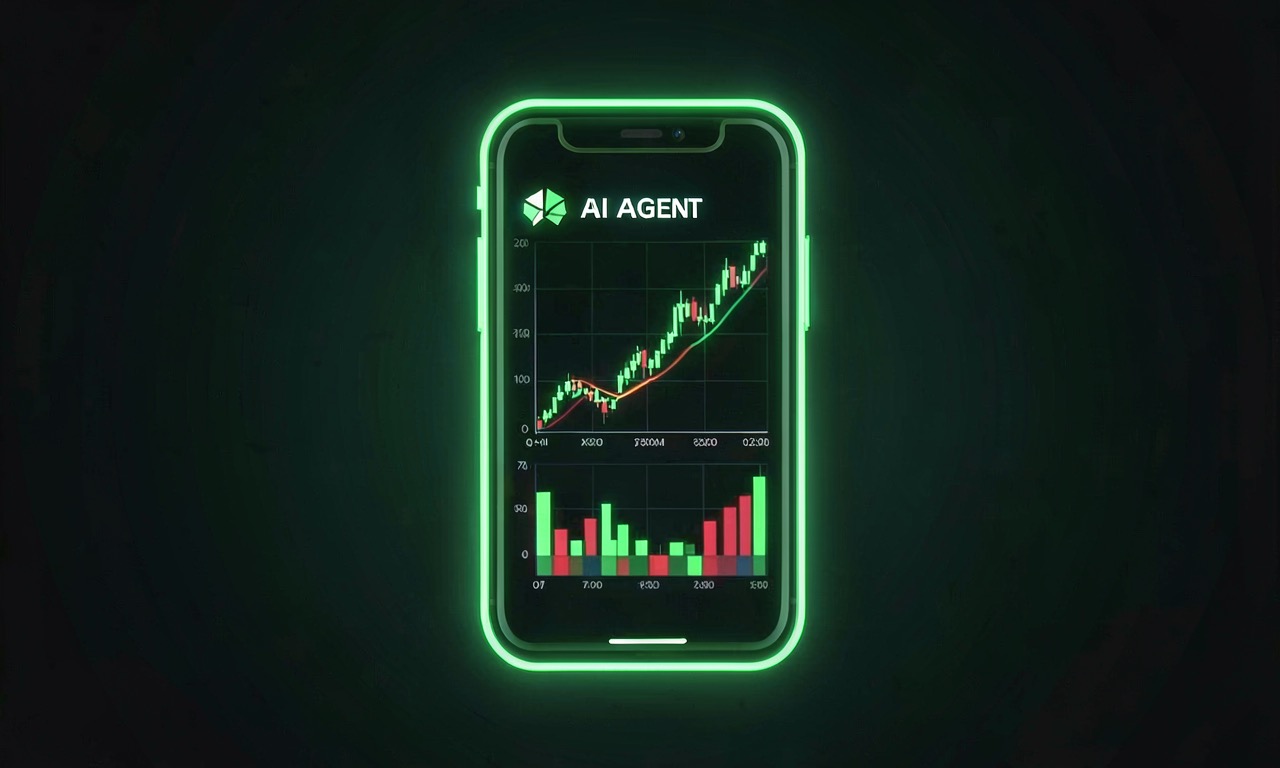
Robinhood launched AI agentic trading in beta on 27 May 2026, letting users create separate accounts for AI agents to trade stocks via Model Context Protocol (MCP). Alongside it: a virtual credit card for AI agents with 3% cashback. It’s the first major retail brokerage to hand autonomous software both a trading account and a spending card — and the regulatory questions are bigger than the product itself.
🔍 THE BOTTOM LINE
The agentic economy just got its first mainstream on-ramp. Whether that’s progress or a disaster waiting to happen depends entirely on the guardrails — and Robinhood’s track record on those isn’t reassuring.
How It Works
Robinhood’s agentic trading operates through a deliberately restricted architecture:
- Dedicated account — Users create a separate trading account for their AI agent, distinct from their main brokerage account
- Pre-loaded wallet — The agent can only trade using funds in its dedicated wallet, not the user’s full balance
- MCP connection — Agents connect to Robinhood’s Model Context Protocol service to analyze portfolios, check sector exposure, review analyst notes, and execute trades
- Notifications — Users get notified of every trade the agent makes
- Approval previews — For certain trades, agents must show a preview and wait for user approval
- Fraud detection — Robinhood’s team reviews suspicious trades and helps resolve disputes
The virtual credit card works similarly — Gold Card holders can link a separate virtual card number that an AI agent uses for purchases, with monthly spending limits and optional per-transaction approval.
Beta is stocks only. Options, crypto, event contracts, futures, and prediction markets are “coming soon.”
The Bigger Picture: Everyone’s Building Agent Payments
Robinhood isn’t alone — it’s joining a land rush:
| Company | Agent Payment Product | Focus |
|---|---|---|
| Stripe | Agentic Commerce Suite, Shared Payment Tokens | Agent-initiated purchases without exposing card credentials |
| Amazon AWS | Bedrock AgentCore Payments (with Coinbase, Stripe) | Stablecoin-based agent purchases |
| Universal Cart + Agent Payments Protocol | Cross-platform agent shopping via Search, Gemini, YouTube | |
| Mastercard | Agent Pay | Agentic tokens for bounded payments |
| Visa + Ramp | Trusted Agent Protocol | Corporate expense management |
| Meow Technologies | Agentic Banking Platform | Banking infrastructure for AI agents |
What makes Robinhood different is the trading piece. Buying shoes with an AI agent is one thing. Letting an autonomous LLM make market-timing decisions with real money is another category entirely.
The Regulatory Question Nobody’s Answered
Here’s the uncomfortable part. FINRA Rule 3110 requires firms to maintain human supervision over trading activity. The SEC’s Market Access Rule mandates pre-trade risk checks. Whether an AI agent making autonomous trades for a retail investor satisfies those requirements is, in the polite phrasing of The Next Web, “an open question.”
And Robinhood has been here before:
- 2020: Paid $65 million to settle SEC charges over misleading customers about revenue practices
- 2021: FINRA fined Robinhood $70 million for systemic supervisory failures — the largest FINRA fine ever at the time
- 2021: GameStop trading halt triggered congressional hearings
This is a company with a documented history of supervisory gaps now adding autonomous AI agents to the mix. The guardrails look reasonable on paper — dedicated wallets, approval previews, fraud detection. But the 2021 supervisory failures also looked reasonable on paper until millions of users tried to trade at once and the system broke.
What is Model Context Protocol (MCP)? MCP is an open standard developed by Anthropic that lets AI agents connect to external tools and data sources. Think of it as a universal adapter — instead of every AI needing custom integrations for every service, MCP provides a standardised way for agents to read data and take actions. Robinhood’s MCP service lets agents analyse portfolios, check sector exposure, and execute trades through a consistent interface.
NZ Lens
New Zealand’s Financial Markets Authority (FMA) hasn’t addressed AI agent trading specifically, but the Financial Markets Conduct Act 2013 requires that financial advice be provided by authorised entities. If an AI agent suggests trades, is it giving financial advice? If it executes them autonomously, who’s responsible when it goes wrong?
The FMA’s approach to robo-advice — which required a licensing regime — suggests they’ll eventually regulate agentic trading too. But Robinhood isn’t available in NZ yet, so Kiwi investors watching from the sidelines get a free preview of the regulatory questions heading our way.
❓ Frequently Asked Questions
Q: Can the AI agent drain my whole account? No — agents can only access the balance in their dedicated wallet, not your main brokerage account. You control how much money goes into the agent’s wallet.
Q: Do I have to approve every trade? Not every trade. Some trades require approval previews; others the agent can execute autonomously. You can monitor all activity through the Robinhood app.
Q: Is this available outside the US? Not yet. Robinhood operates only in the US, and beta access is limited. But the model — agents with wallets and credit cards — is coming everywhere.
Q: What happens if the agent makes a bad trade? That’s the open question. Robinhood says its fraud detection team reviews suspicious trades, but “bad judgment” and “fraud” are different things. There’s no clear mechanism for reversing losses from a poorly timed AI trade.
🔍 THE BOTTOM LINE
Robinhood just made the agentic economy real for retail investors. AI agents with trading accounts and credit cards is genuinely new — and the financial infrastructure being built around it (Stripe, Google, Mastercard, Visa) means this isn’t a one-company experiment. It’s a phase shift. The question isn’t whether AI agents will trade. It’s whether the guardrails — and the regulators — can keep up with the speed of deployment. Based on Robinhood’s history, that question should make everyone a little nervous.
SOURCES
- TechCrunch — “Robinhood now lets your AI agents trade stocks” (27 May 2026)
- The Next Web — “Robinhood is letting AI agents trade stocks and spend money on your credit card” (27 May 2026)
- CryptoTicker — “Robinhood Launches AI Agent Trading Beta” (27 May 2026)
- Robinhood — Agentic Trading Overview (official documentation)