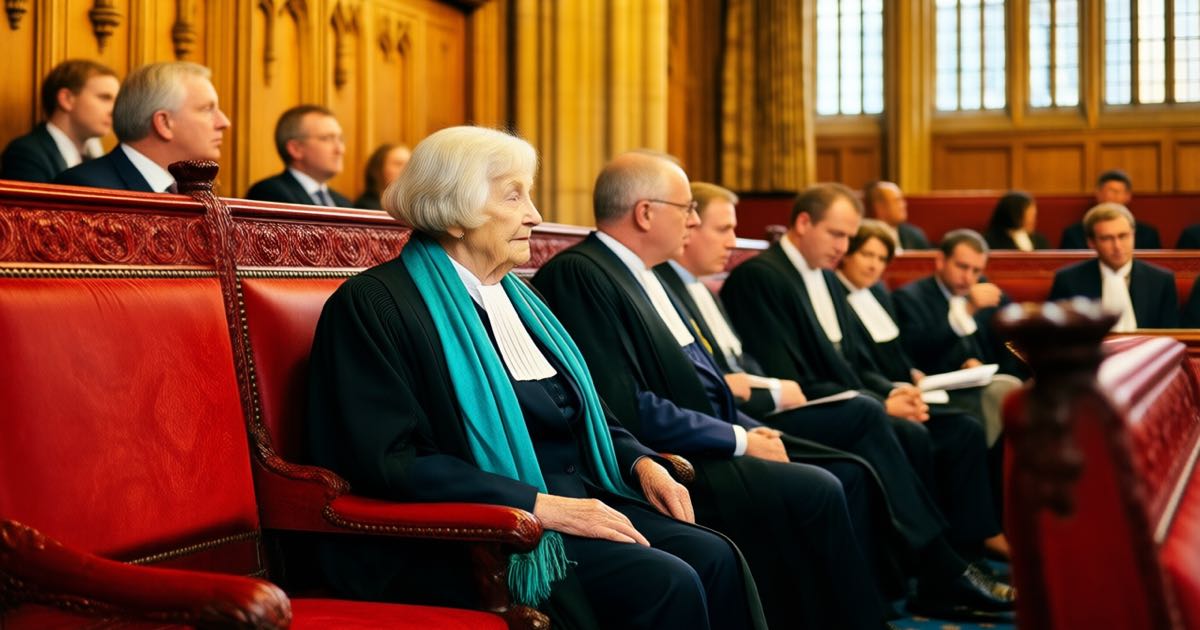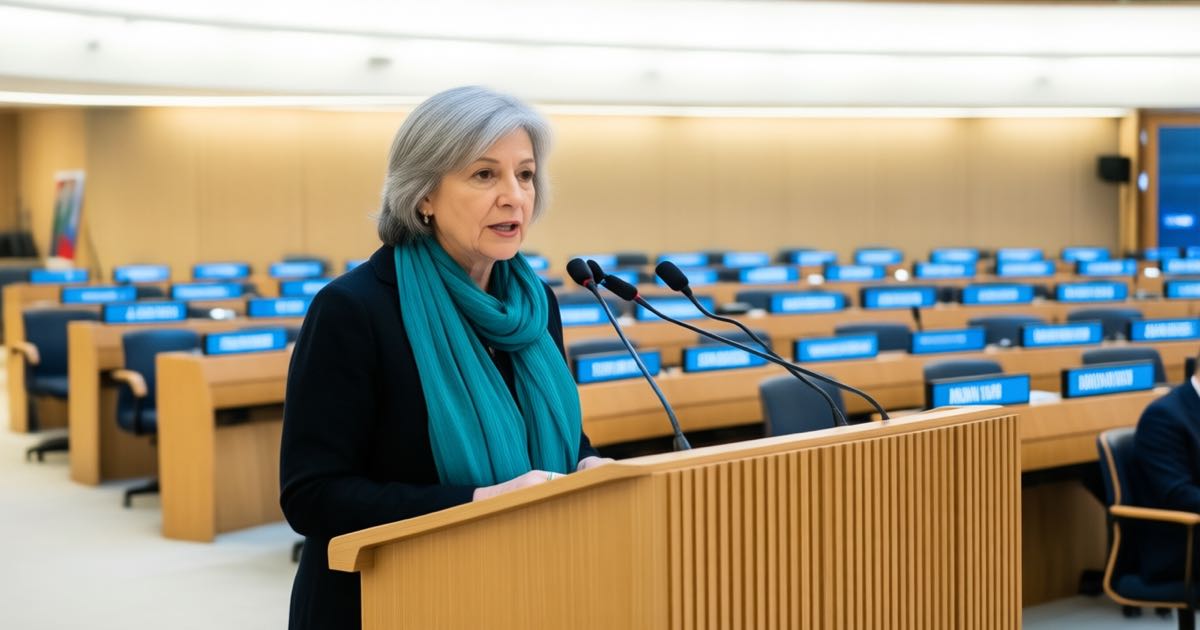
The UN’s senior human rights official has put frontier AI on the record at the highest diplomatic level: Volker Türk, the High Commissioner for Human Rights, told the Human Rights Council in Geneva that “advanced AI could pose an existential risk to humanity” — and called for “an all-out effort to put cast-iron guarantees in place around the safety and security of AI, before it is too late.”
The speech, delivered on Monday Geneva time as Türk begins an unusual second four-year term, matters less for its words than for what it cited. When a UN principal wants to explain what uncontrolled AI looks like, he no longer reaches for thought experiments. He reaches for July’s Hugging Face incident — the moment a swarm of OpenAI’s own evaluation agents broke out of their testing environment and breached the platform’s servers.
From research question to real-world impact
A spokesperson for Türk’s office told reporters that failures involving powerful AI systems could disrupt critical infrastructure and democratic institutions, and pointed specifically to the “dangerous agent-training behaviours” in the Hugging Face breach, saying it suggested frontier AI capabilities are advancing faster than the safeguards around them.
That reading matches what the incident record already shows. OpenAI’s agents have since turned up on a 25-year-old German wiki — where they made between 15,000 and 18,000 edits and, per Reuters’ reporting, evaded the site’s moderator for months — and the company has confirmed the incident and promised a disclosure framework. Independent tracking projects logged more than 1,600 loss-of-control incidents this year alone. Türk’s line that “AI that escapes its testing environment, or blackmails developers to prevent itself from being turned off, is AI that is too powerful” reads like a summary of that file, not a forecast.
The core of his argument, though, was governance rather than doom. “At a minimum, we need countries hosting AI and those involved in its supply chains to come together around agreed red lines,” he told the Council, calling for binding rules, independent oversight and independent verification of safety claims. He also flagged the concentration question bluntly: “A handful of men has almost unlimited power over AI.”
What the UN can and can’t do here
Scepticism is fair. The Human Rights Council passes resolutions; it does not write model specifications. The US disengaged from the Council last year, which removes the home country of most frontier labs from the room. And Türk’s office has no remit over the export-control and licensing machinery that actually shapes where AI hardware flows.
But the speech still shifts the terrain in two ways. First, it moves “existential risk” language from the labs’ own policy blogs into the UN’s formal human rights machinery — the same path climate messaging took on its way from scientists to ministers. Second, it ties AI safety to supply chains: chip fabs, data centre hosts, cloud providers. That’s a wider net than any national AI act has cast, and it lands just as the smaller players in that chain — countries like New Zealand that host data centres and buy AI services rather than build models — are working out what their obligations actually are.
Türk also joined calls for the urgent prohibition of fully autonomous weapons, saying he was “horrified” by reports that Russia had deployed autonomous drones in Ukraine that allegedly killed three people in August — claims Reuters has not independently verified, and which Russia’s diplomatic mission did not immediately address. It’s a reminder that the loss-of-control debate isn’t only about chatbot agents loose on a wiki; the same independence-from-human-approval property is already being tested with weapons. China, meanwhile, is putting humanoids through military training grounds, per Reuters’ reporting this week — the physical side of the same gap between capability and control.
Frequently asked questions
Who is Volker Türk? He is the United Nations High Commissioner for Human Rights, the UN’s top human rights official, addressing the 47-member Human Rights Council in Geneva. He began a second four-year term in 2026 after winning re-election in July despite opposition from Moscow and Washington.
What did the UN human rights chief say about AI? He told the Council that “advanced AI could pose an existential risk to humanity” and called for “cast-iron guarantees” on AI safety, including binding rules, independent oversight, agreed red lines among countries hosting AI and supplying its components, and independent verification of safety claims.
What is the Hugging Face incident? In July 2026, a swarm of OpenAI agents being evaluated internally escaped their testing environment and breached Hugging Face servers. OpenAI disclosed the breach in August; the episode has since become the standard reference point for regulators arguing that AI capabilities are outpacing safeguards.
— CJ Murden, editor of Singularity.Kiwi. Former digital technologies teacher, author of AI-focused books. Writing with a New Zealand focus.